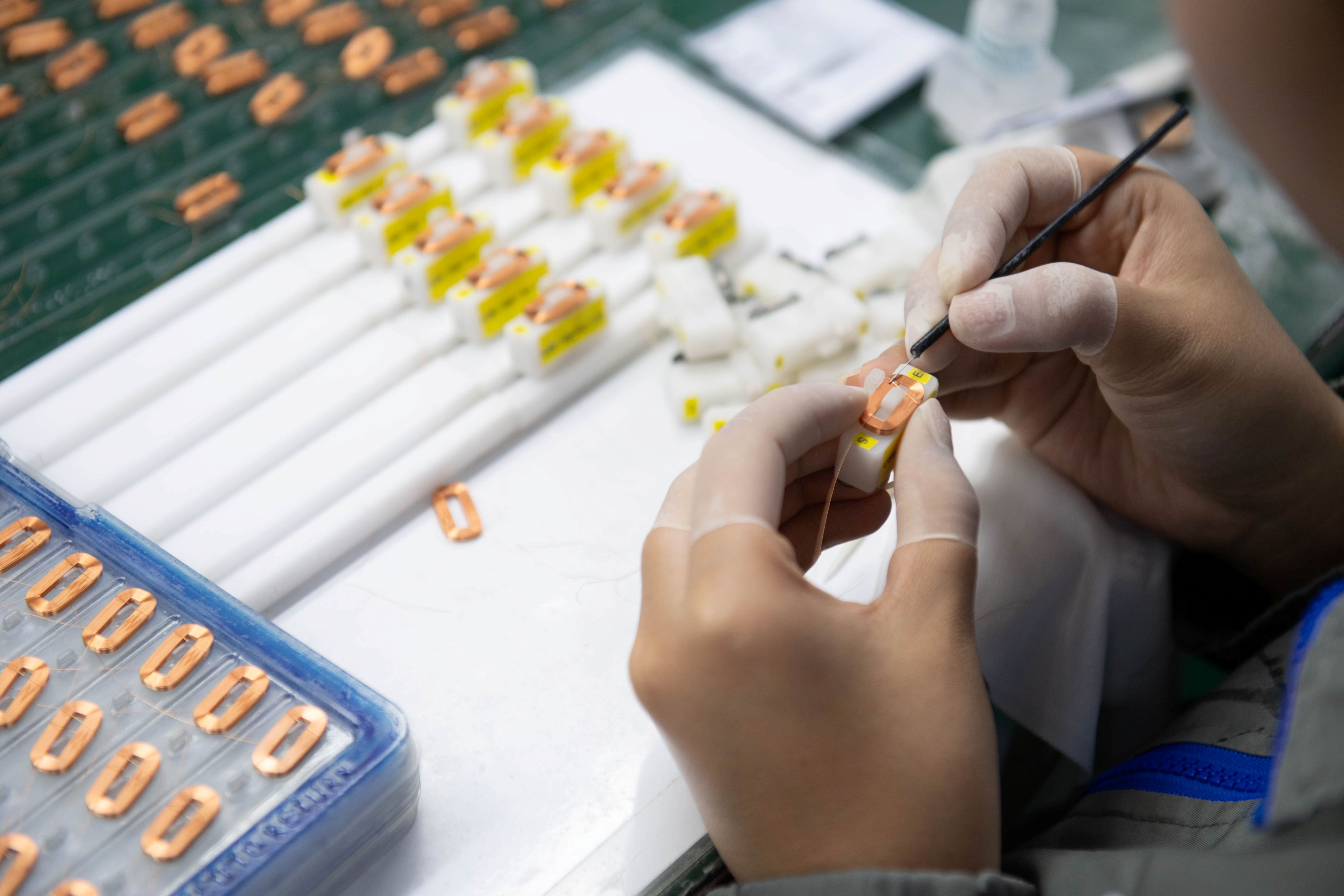
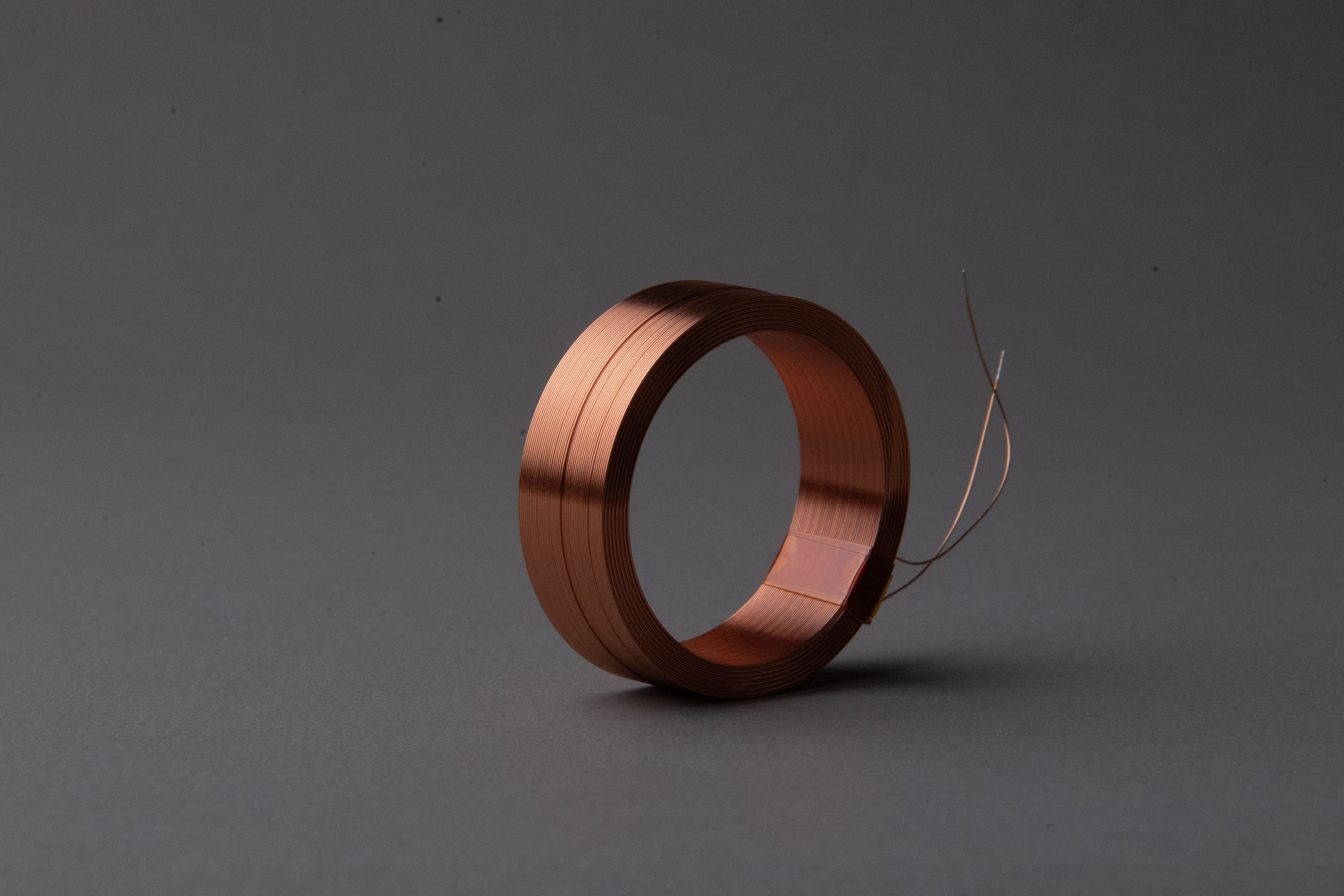
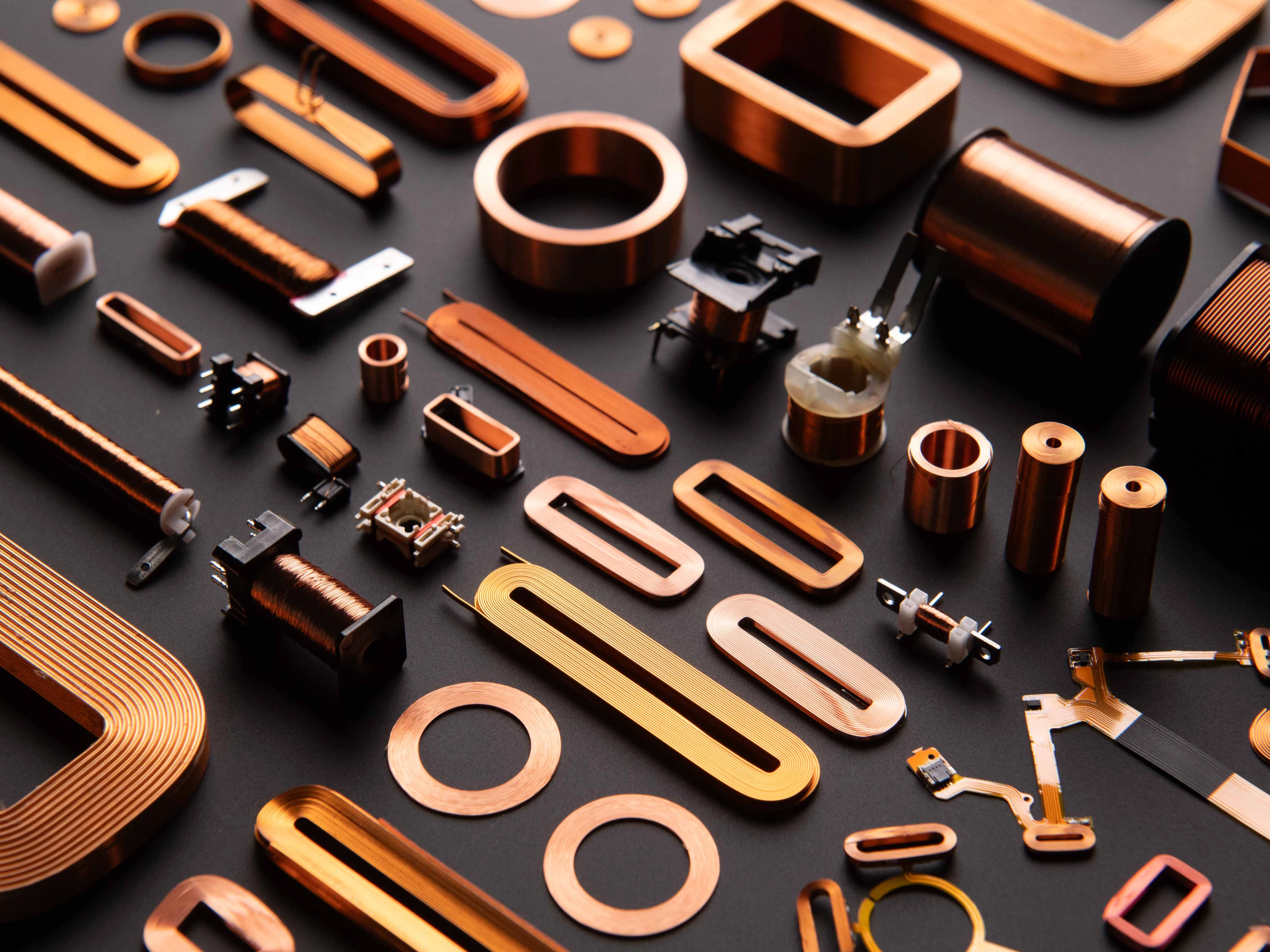
In coil manufacturing, processing Litz wire (Tetoron-insulated) is a critical stage, but are you facing quality challenges during soldering or lead wire cutting?
In this article, we introduce a real-world case study of improvements we implemented in our "Litz wire soldering" and "lead wire cutting" processes. We will provide a detailed explanation of how we solved specific issues such as solder ball adhesion and dimensional excess caused by crushed lead wires.
Fundamentals of Litz Wire and Tetoron-Insulated Litz Wire
What is Litz Wire? A Conductor with Superior High-Frequency Characteristics
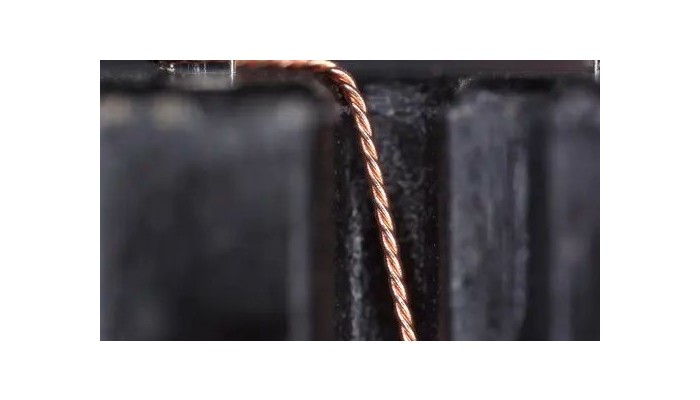
Litz wire is a conductor constructed by twisting together numerous thin, individually insulated copper wires (enameled wires). Since each strand is insulated from the others, this structure minimizes the skin effect and proximity effect major challenges in high-frequency applications. By reducing AC resistance, Litz wire allows current to flow more efficiently.
It is primarily used in high-frequency transformers, inverter transformers, high-frequency inductors, and wireless power transfer coils.
What is Tetoron-Insulated Litz Wire? Improving Mechanical Strength and Insulation
Litz wire is inherently soft and can face challenges such as abrasion or insufficient dielectric strength. To address these issues, "Tetoron covering" is often employed.
Tetoron® is a trademarked polyester fiber (PET) developed by Toray, though the name is now widely used as a generic term in the industry. By encasing the Litz wire in this fibrous sleeve, the following advantages are achieved:
- Improved Mechanical Strength: Ensures resistance to wear, abrasion, and tension.
- Reinforced Electrical Insulation: Prevents short circuits and unintended contact between windings.
- Heat Resistance: Suitable for use in environments up to approximately 130°C (equivalent to Insulation Class B).
- Enhanced Winding Workability: The smooth surface reduces friction, making precision (aligned) winding significantly easier.
As a result, Tetoron-insulated Litz wire has become an indispensable conductor in the manufacturing of high-frequency coils.
Challenges and Case Studies: Enhancing Quality in Litz Wire Processing
Despite the inherent benefits of the material, actual manufacturing environments often face specific hurdles when processing Tetoron-insulated Litz wire. Below, we introduce the specific challenges we encountered on the production floor and the methods we used to resolve them.
[Challenge 1] Issues in the Soldering Process: Solder Ball Adhesion and Insulation Residue
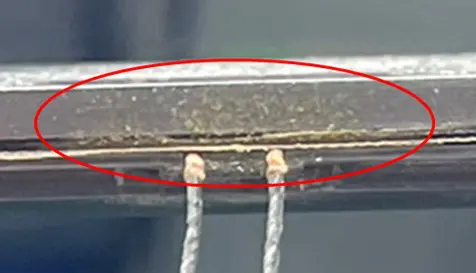
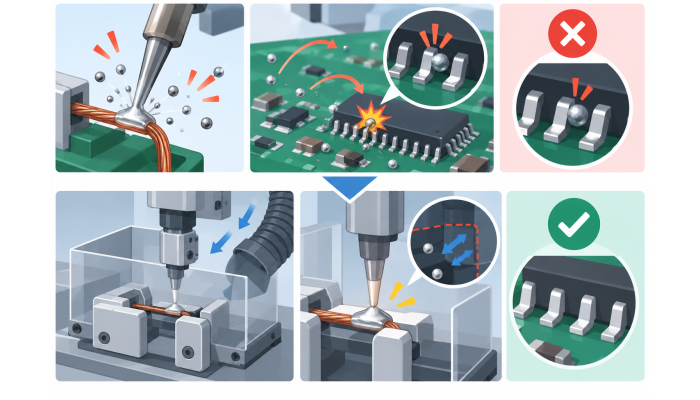
During the soldering process, we encountered defects where solder balls would scatter outside the designated areas, or the Tetoron insulation would fail to melt completely, leaving behind residue that compromised quality.
[Solution 1] Soldering Process Improvement: Jig Utilization and Two-Stage Process
Challenge 1.1: Solder Ball Adhesion
→ Used dedicated jigs to mask areas outside the target soldering zone, effectively preventing spatter.
Challenge 1.2: Tetoron Insulation Residue
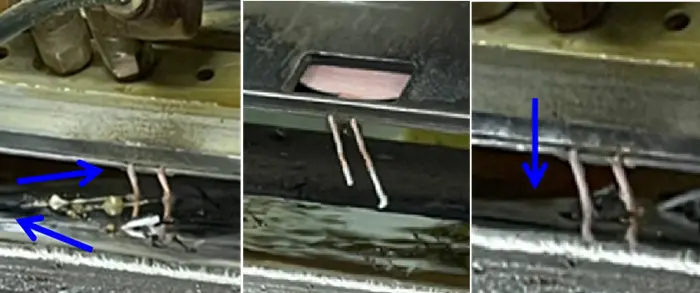
→ Improved the immersion method in the solder pot. By moving the lead wires multi-directionally after immersion rather than just vertically the melted insulation is effectively removed. We also implemented a two-stage process: "Melt the insulation in the first stage" and "Complete the soldering in the second stage."
➡ Outcome: Enabled clean soldering free of solder balls and Tetoron residue, achieving a consistent and stable finish.
※Solder balls adhere to the jig (preventing adhesion to the actual product).
[Challenge 2] Dimensional Excess Due to Deformation in the Lead Wire Cutting Process
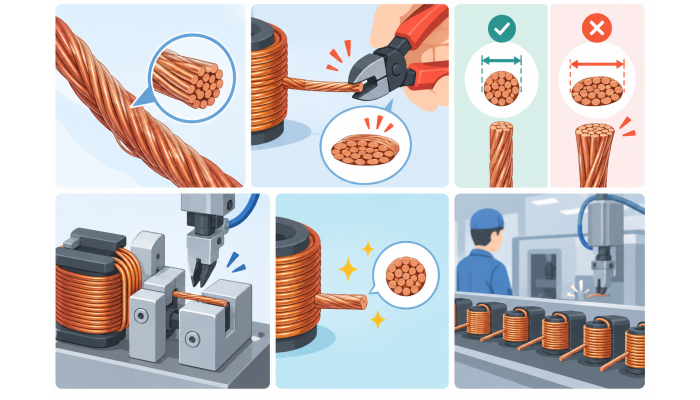
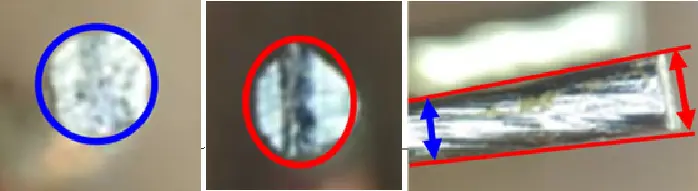
When cutting with standard nippers, the cross-section of the wire would flatten into an oval shape, leading to defects where the wire exceeded its specified dimensions. Litz wire, characterized by its stranded structure, is particularly susceptible to crushing, making precise dimensional control a significant challenge in the production process.
[Solution 2] Lead Wire Cutting Process Improvement: Dedicated Jigs and Automated Equipment
Challenge 2 Dimensional Excess Due to Lead Wire Deformation
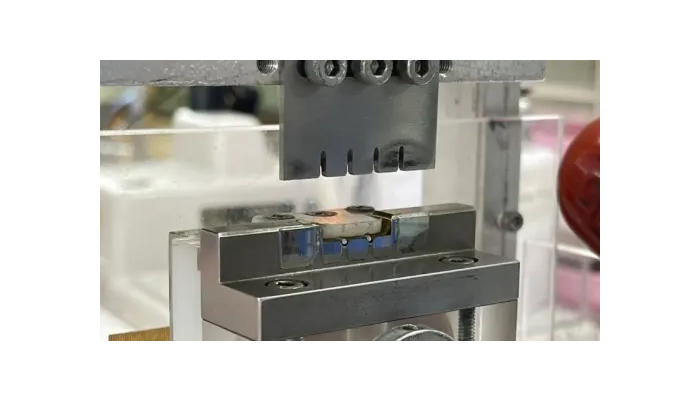
→ Introduced dedicated cutting equipment and jigs to perform automated cutting while the lead wire is securely fixed in place.
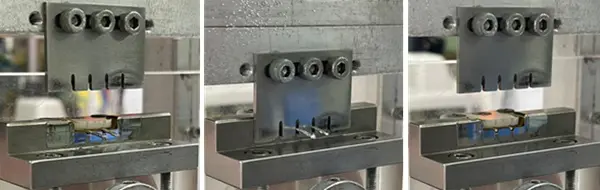
Load the coil into the jig ➡ Press the start switch ➡ Cutting process completed
➡ Outcome: By securing the part with a jig and utilizing an optimized cutting method, we achieved a near-perfect circular cross-section without deformation. This effectively eliminated the issue of dimensional excess.
Results and Key Takeaways of the Process Improvement
Through these improvements, we achieved the following results:
Defect Prevention: Successfully mitigated issues such as solder ball adhesion, residual insulation, and lead wire deformation.
Consistent Quality: By implementing automation, we eliminated dependency on individual operator skill and significantly reduced quality variance.
In summary, the keys to this process improvement were the strategic use of "jigs" and "automation" to stabilize quality.
Summary: Trust Pronec for Quality Improvements in Litz Wire Processing
In this article, we introduced a case study of process improvements specifically for the soldering and lead wire cutting of Tetoron-insulated Litz wire.
At Pronec, we provide optimal solutions for these types of manufacturing challenges by leveraging our specialized expertise and technical capabilities. If you are looking to enhance quality or stabilize mass production in your own manufacturing processes, please feel free to reach out to us via inquiry form.
_e20dbbbb-8b52-47ad-85d5-bc3eb067102e.png)