_d14c9c1b-9850-49e8-adfb-d520564df20c.png)
KNOWLEDGE
Knowledge
Technology and Services
What Is Pad Printing on Fabric?|Tagless Printing Principles Every Engineer Should Know
2026-09-25
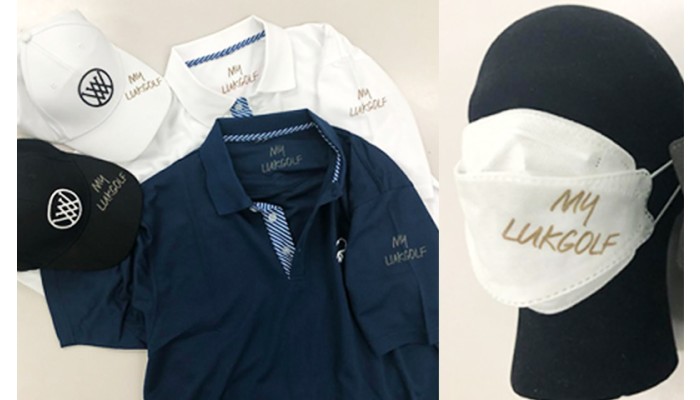
In Thailand’s apparel industry, wearers often cut brand labels out of their clothing because the labels cause itching and skin irritation. This can make it more difficult for brands to maintain long term recognition. Tagless pad printing addresses this issue by printing directly onto the fabric, creating a smooth, durable finish without the need for a sewn-in label. Are you looking for a way to improve wearer comfort while keeping your brand identity visible for as long as possible?
Table of Contents
- Limitations of Traditional Sewn In Size Labels That Cause Skin Irritation
- Printing Logos Directly onto Fabric to Reduce Paper and Heat-Transfer Film Waste
- How Steel Clichés and Silicone Pads Affect Fabric Printing
- How Tokuabe Thailand Can Support Your Brand
- Frequently Asked Questions
- Key Terms for Understanding This Article
■ Limitations of Traditional Sewn-In Size Labels That Cause Skin Irritation
In conventional apparel manufacturing, size labels sewn into the back of a garment’s neckline often cause itching and skin irritation, particularly in Thailand’s hot and humid climate. As a result, many customers cut the brand label out immediately, removing a lasting opportunity for the brand to remain visible and memorable. Switching to tagless pad printing offers an effective way to address this issue.
■ Printing Logos Directly onto Fabric to Reduce Paper and Heat-Transfer Film Waste
Some brand label printing methods currently in use, such as heat transfer, require plastic film and release paper to transfer a design using heat. This process generates a large amount of waste in manufacturing facilities. In contrast, tagless pad printing applies ink directly to the fabric fibers. This helps reduce waste from heat-transfer films and lowers the amount of heat used in the production process, supporting greater sustainability and environmental responsibility in the textile industry.
■ How Steel Clichés and Silicone Pads Affect Fabric Printing
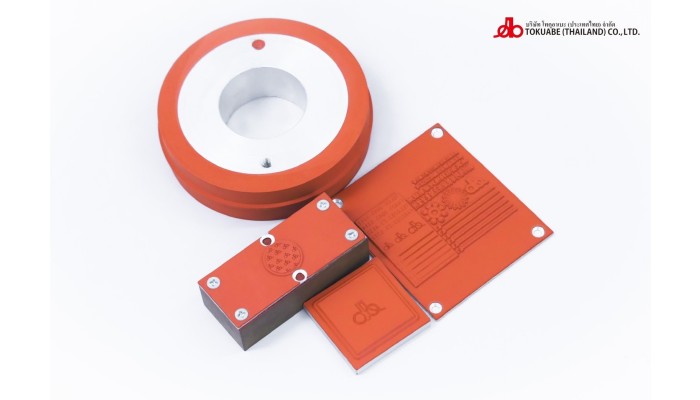
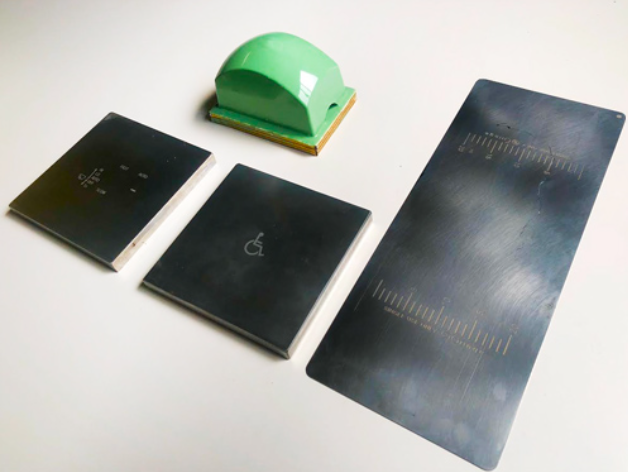
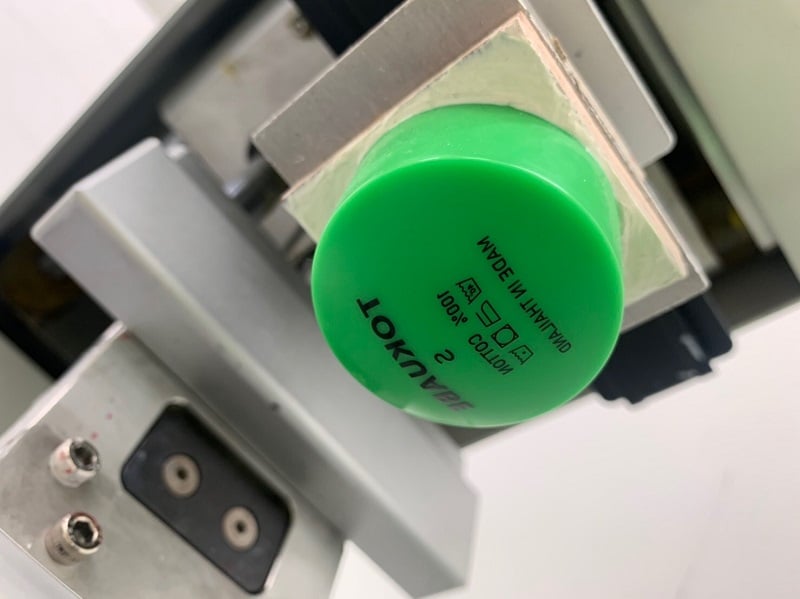
Although fabric is flexible and less uniform than a plastic surface, selecting high-quality equipment helps maintain consistency in the printed design. Our Type S steel clichés have a guaranteed depth tolerance of ±2 microns, helping ensure consistent ink transfer and sharp, clearly defined lines. When combined with a silicone pad of the appropriate shape and correctly adjusted printing pressure, they can transfer logos and size information clearly onto the fabric without distortion or misalignment.
The table below summarizes the main variables that must be adjusted according to the type of fabric.
| Cotton | Polyester | Spandex / Stretch Fabric |
Ink Absorption | High — penetrates the fibers effectively | Low — smooth, slippery surface | Variable — continuously stretches and contracts |
Recommended Ink Type | Two-component ink with hardener | Special adhesion ink | Elastic Ink |
Pad Hardness | 8–12 | 10–15 | 5–8 |
Cliché Depth | Shallower than standard | Standard | Adjust based on testing |
Main Risk | Excessive ink deposit, resulting in a thick print | Poor ink adhesion and easy peeling | Print cracking when the fabric is stretched |
■ How Tokuabe Thailand Can Support Your Brand
Tokuabe Thailand Co., Ltd. draws on more than 60 years of technology and expertise developed at its headquarters in Japan to support clothing manufacturers and apparel brands. In Thailand, we provide comprehensive services and solutions, including high-precision steel clichés, durable silicone pads in a variety of shapes, and actual print trials conducted in our testing room. These trials help evaluate ink adhesion and control print quality according to the properties of each fabric type, helping prevent substandard printing before full-scale industrial production begins.
※For more information, please download the PDF attachedprecision steel clichés, durable silicone pads in a variety of shapes, and actual print trials conducted to this article or complete the form below to submit an inquiry.
■ Frequently Asked Questions
Q1:How does tagless printing help reduce the number of brand labels that customers cut out?
A1:Tagless printing applies the logo directly to the fabric without using a plastic or woven label sewn into the neckline. This makes the garment more comfortable against the skin and prevents itching and irritation. Customers therefore have no reason to cut out the label, allowing the brand logo to remain on the garment for longer.
Q2:What issues should be considered when using pad printing on fabric?
A2:The main considerations are ink consistency and the depth of the steel cliché. Because fabric fibers absorb more ink than plastic, using a high-quality Type S steel cliché with a depth tolerance of only ±2 microns helps maintain a consistent ink-groove depth and reduces the risk of ink bleeding or incomplete printing.
Q3:Does the service life of a silicone pad used for fabric printing depend on the printing pressure?
A3:Yes. The service life of a silicone pad depends mainly on the printing pressure rather than the shape of the workpiece. Excessive printing pressure shortens the life of the pad. The chemical strength of the solvent in the ink can also cause the silicone to deteriorate more quickly.
■ Key Terms for Understanding This Article
- Tagless : Replacing a label sewn into the neckline with a logo or size information printed directly onto the fabric
- Steel Cliché : A steel plate etched with grooves of a uniform depth to hold ink before transferring the design to a silicone pad
- Silicone Pad : A highly flexible silicone rubber pad that picks up ink from the cliché and transfers it onto a workpiece or fabric
※For more information, please download the PDF attached to this article or complete the form below to submit an inquiry.
Company Information
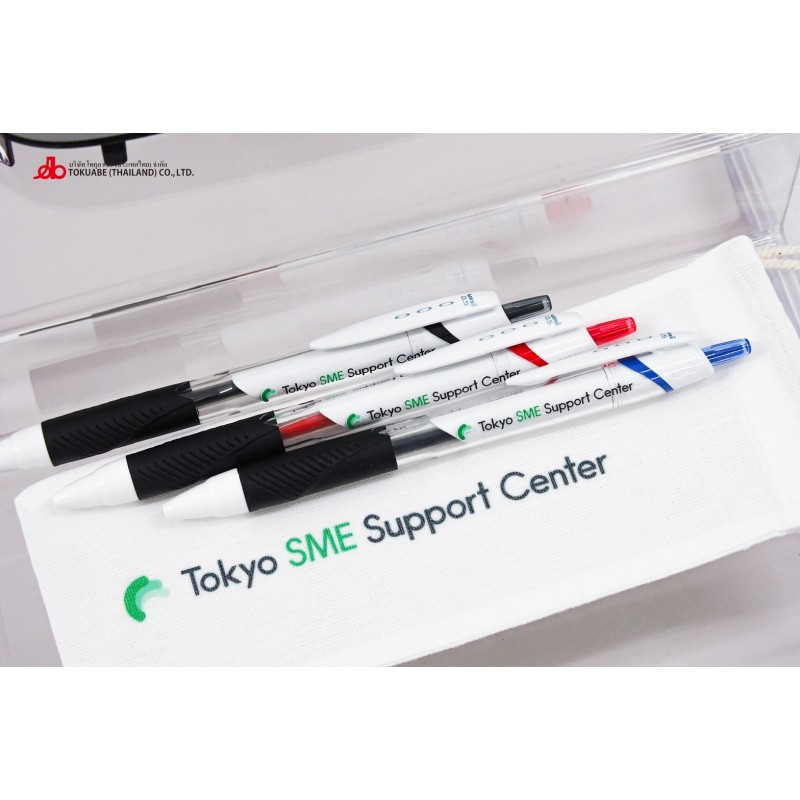
Pad printing services / Printing materials / Printing consultation services
Tokuabe (Thailand) Co., Ltd. was established in December 2014 as part of Tokushu Abe Seihanjo Co.Ltd., Japan, a company with over 60 years of expertise. We bring proven Japanese knowledge and techniqu ...
PICKUP
Technology & Services
CONTACT
Contact