_d14c9c1b-9850-49e8-adfb-d520564df20c.png)
SERVICES
Technology & Services
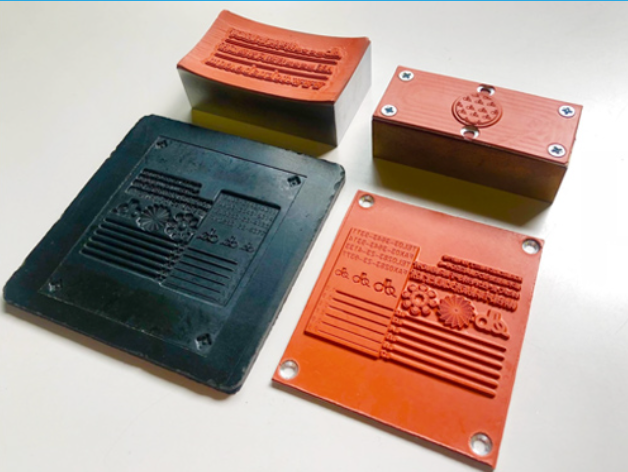
Pad Printing Troubleshooting Services — Fix Defects, Reduce Waste, Improve Output
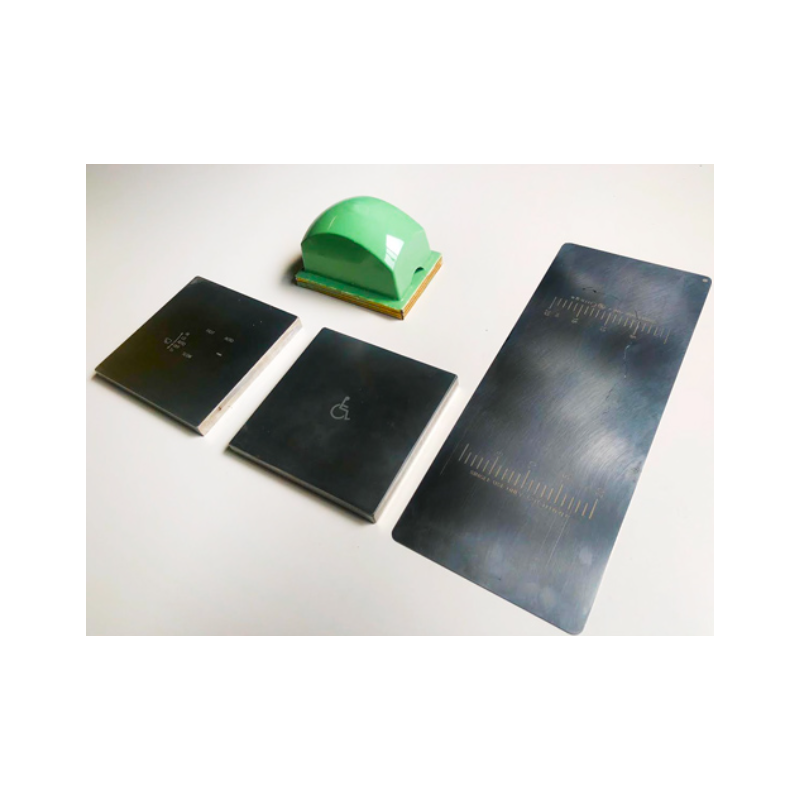
TOKUABE (THAILAND) CO., LTD. offers technical consulting services to solve line side issues in pad printing processes, such as fiber formation and pinholes. By selecting optimal silicone pads, steel plates, and doctor blades, we deliver efficient, high-quality printing solutions tailored to customer requirements.
Table of Contents
- Mechanism of Static-Induced "Fiber" Issues and Countermeasures Using Silicone Pads
- Preventing "Pinholes" and "Lack of Ink" through Optimal Silicone Pad Shape Selection and Doctor Blade Angle Adjustment
- Root Cause Analysis of "Poor Ink Adhesion" on PP/PE Plastics and Pre-Print Surface Treatment Process
- Pad Printing Technical FAQ
■ Mechanism of Static-Induced "Fiber" Issues and Countermeasures Using Silicone Pads
In the pad printing process, "fiber" formation—where ink separates into hair-like or spider-web-like strings around the printed image—is a common issue when ambient humidity is low or when parts are continuously exposed to air conditioning drafts. This degrades product appearance, particularly in automotive and electronics industries that enforce stringent quality inspection standards.
The primary cause is static electricity that accumulates during repeated contact and separation between the silicone pad and the plastic workpiece surface. When a high static charge builds up, it disrupts uniform ink transfer, causing ink to be pulled into fine filaments along image edges, leading to visual inspection failures.
One effective strategy to mitigate this issue is using Grade N silicone pads, which minimize static electricity during printing. Combined with optimizing the ratio of fast-drying and slow-drying solvents based on ambient temperature and relative humidity, this achieves a significantly more stable ink transfer process.
Proper silicone pad selection and optimized printing conditions reduce stringing/fiber around printed images, lower defect rates, minimize rework time, and ensure consistent print quality across production runs.
■ Preventing "Pinholes" and "Lack of Ink" through Optimal Silicone Pad Shape Selection and Doctor Blade Angle Adjustment
"Pinholes" and "Lack of Ink" (incomplete coverage/voids) are frequent challenges in pad printing, especially during the printing of micro characters, high-detail logos, or large solid-block areas. These defects manifest as tiny white dots on the printed image or missing ink sections, causing quality non-conformance and increasing process scrap rates.
This issue stems not from a single isolated cause, but from the combined interaction of multiple factors: silicone pad geometry, contact angles and pressure during ink pickup and transfer, and doctor blade scraping efficiency on the steel plate. If the silicone pad shape is unsuitable, air becomes trapped between the pad and the ink film, forming air bubbles that result in incomplete transfer. Similarly, if the doctor blade fails to scrape excess ink cleanly and evenly off the plate, the volume of ink remaining in the etched grooves becomes inconsistent, leading to ink voids.
TOKUABE prioritizes analyzing workpiece geometry and process conditions before specifying equipment. Utilizing over 200 pad types, we select pad geometries matching workpiece contours, facilitating effective air evacuation from the contact area. Furthermore, we recommend doctor blade specifications such as optimal thickness and blade profile to ensure clean, uniform ink doctoring across the steel plate.
Matching pad shapes and doctor blades optimizes ink pickup and transfer stability, dramatically reducing the risk of pinholes and Lack of Ink even in fine-line or large solid-print applications. This maintains print consistency, minimizes scrap, and drives continuous production efficiency.
■ Root Cause Analysis of "Poor Ink Adhesion" on PP/PE Plastics and Pre-Print Surface Treatment Process
Plastics such as PP (Polypropylene) and PE (Polyethylene) possess low surface energy, making ink adhesion inherently difficult. Using improper ink formulations or processing conditions can result in peeling, flaking, or failure in post-print durability testing.
TOKUABE begins by evaluating material properties and measuring surface energy to assess ink bonding capability. For low-adhesion substrates, we consult on pre-print surface treatment techniques (such as increasing surface energy) and adjust ink formulations tailored to specific plastic grades to achieve maximum bonding strength.
Combining proper surface preparation with optimized ink formulations enhances ink adhesion, prevents flaking/peeling, and improves the print's resistance to physical abrasion and chemical contact in real-world applications.
This methodology is ideal for products requiring high print durability, such as medical syringe measurement scales, medical equipment components, appliance buttons, and plastic parts subjected to frequent handling or wear.
■ FAQ
Q1: When "fiber" stringing or spider-web-like ink occurs, what should be inspected first?
A1: The first parameters to inspect are ambient relative humidity and air conditioning airflow direction. If relative humidity drops below 45% or if drafts blow directly across the printing machine, solvent evaporation accelerates and static charge accumulation increases, which is the primary cause of fiber stringing. Additionally, employing static-reducing silicone pads (such as Grade N) alongside solvent ratios optimized for the environment provides a highly effective countermeasure.
Q2: For hard-to-print plastics like PP or PE, is it possible to send workpieces for test printing prior to commercial production?
A2: Yes, absolutely. TOKUABE offers a Trial Printing Service to evaluate application feasibility before mass production. Customers can send actual workpieces for sample printing to verify ink adhesion, formulation suitability, and print clarity, while receiving expert recommendations on materials and processing parameters for their specific parts.
Q3: What determines the operational lifespan of a silicone pad, and how can its service life be extended?
A3: Silicone pad lifespan depends on several factors, most notably printing pressure and the type of solvent. Setting printing pressure to the minimum level required for complete ink transfer significantly reduces physical pad wear. Simultaneously, selecting compatible solvents and avoiding aggressive chemicals prevents swelling or cracking, extending the operational life of the silicone pad.
Q4: If production volumes scale up in the future, can the company supply printing equipment for in-house manufacturing?
A4: Yes. When production volume justifies equipment investment, TOKUABE can supply and install pad printing machinery at your facility. We provide process setup guidance and transfer validated technical packages—including steel plates, jigs, silicone pads, and ink formulas—enabling a smooth transition to in-house manufacturing while minimizing trial errors and startup waste.
※For more details, please download the PDF attached to this article or contact us via the form at the bottom of the page.
Company Information
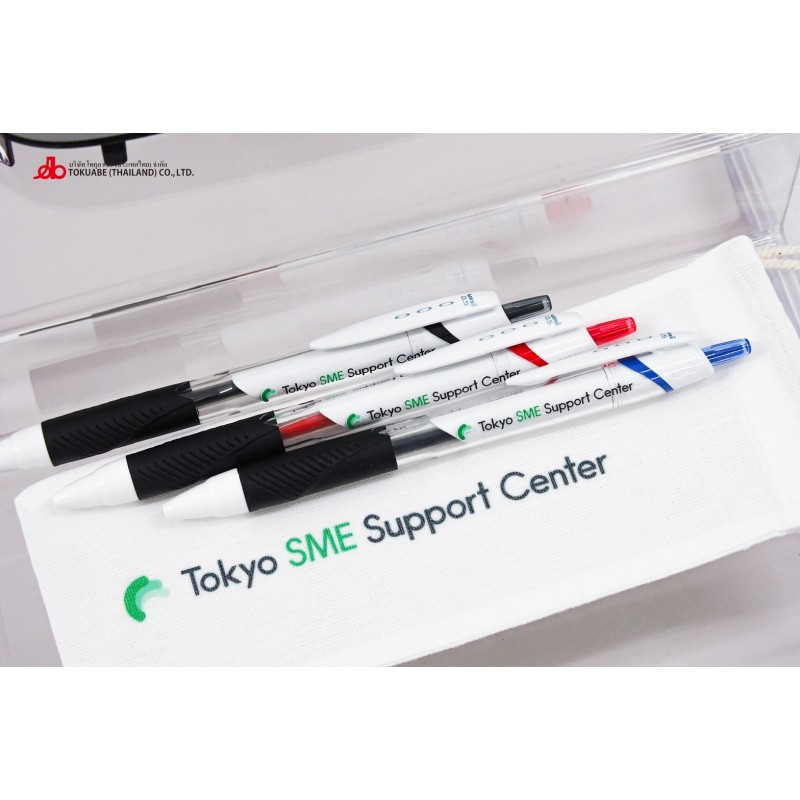
Pad printing services / Printing materials / Printing consultation services
Tokuabe (Thailand) Co., Ltd. was established in December 2014 as part of Tokushu Abe Seihanjo Co.Ltd., Japan, a company with over 60 years of expertise. We bring proven Japanese knowledge and techniqu ...
PICKUP
Technology & Services
CONTACT
Contact