_d14c9c1b-9850-49e8-adfb-d520564df20c.png)
SERVICES
Technology & Services
Hot Stamp Service for Plastic Molded Parts and Automotive Parts | No Minimum Order lots with High-Precision Surface Finishing
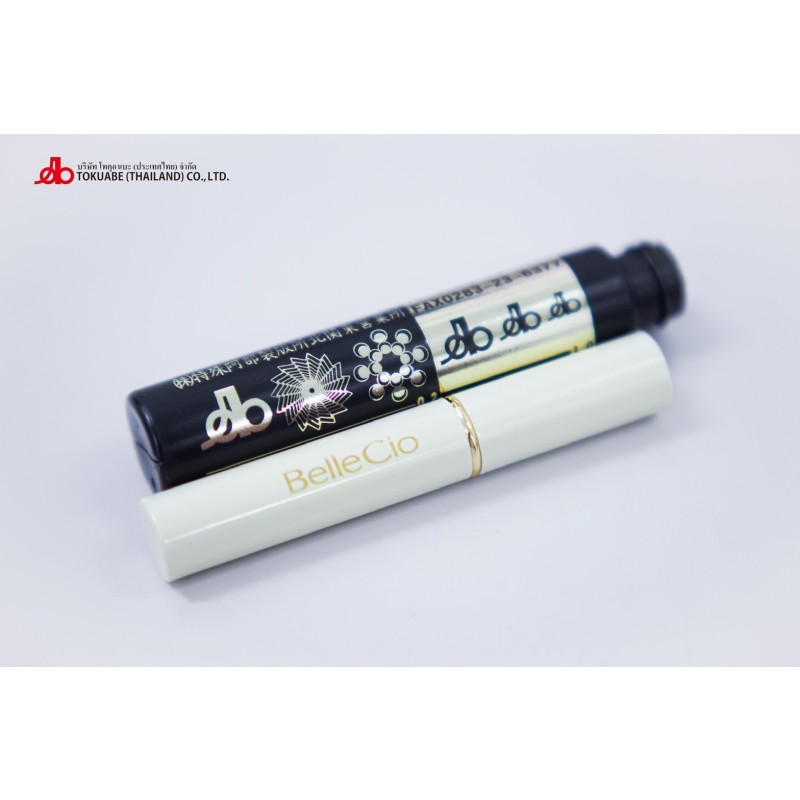
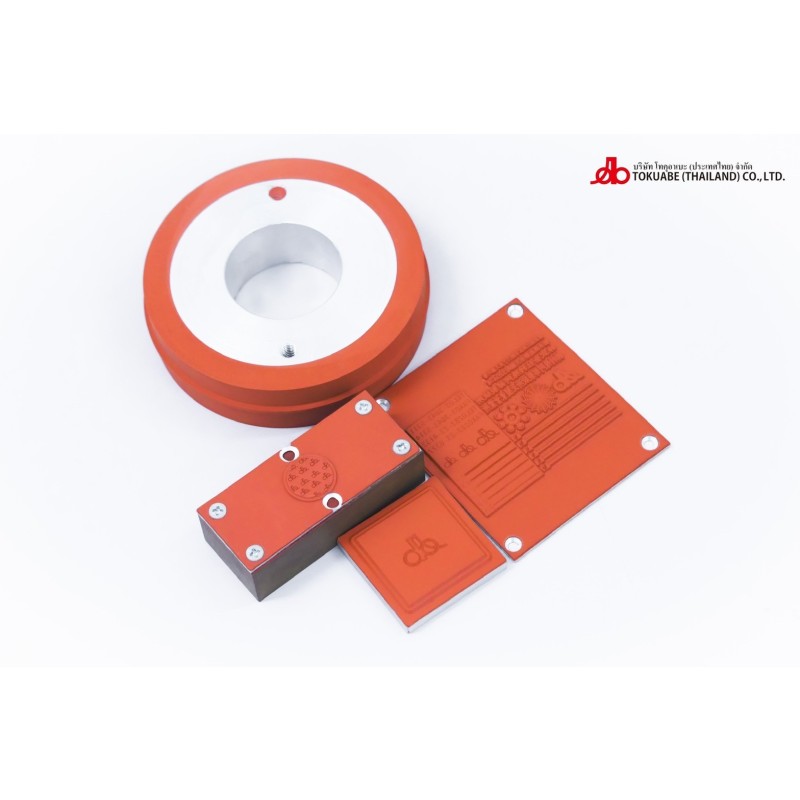
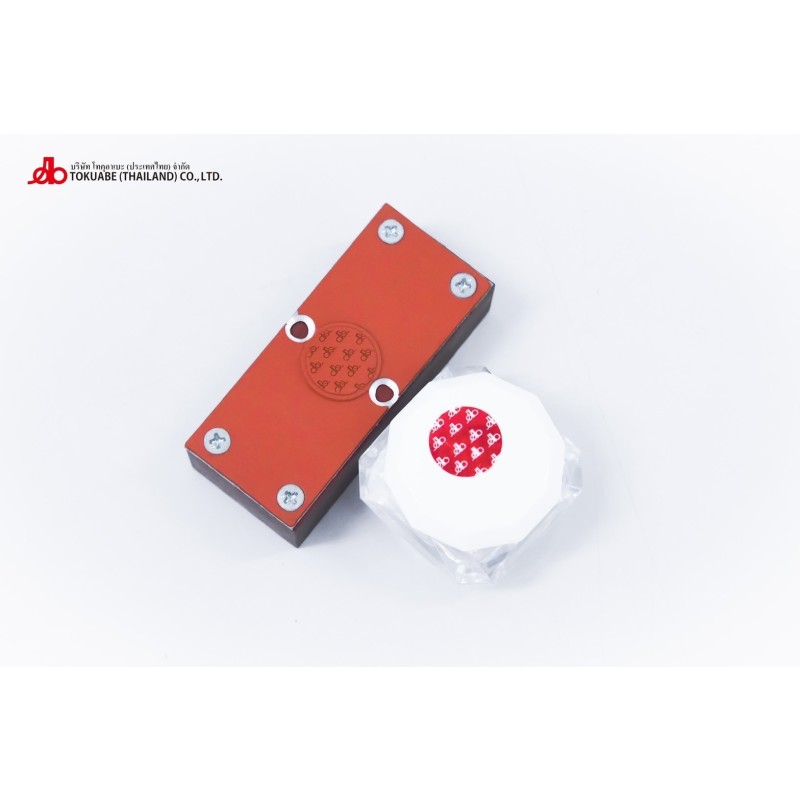
TOKUABE (THAILAND) CO., LTD. provides contract hot stamping services for automotive instrument panels and plastic molded components in Thailand. We handle materials ranging from standard plastics like ABS and PS to hard to stamp substrates like PP and PE, supporting everything from low-volume prototypes to mass production.
Table of Contents
- Hot Stamping in Thailand Supported by Japanese Technical Standards
- Compatible Plastic Materials and Production Lot Sizes
- Solving 3D Stamping Challenges with "Metal Base Silicone Rubber Dies"
- Technical Specifications and Die Design Standards
- Hot-Stamping Frequently Asked Questions (FAQ)
■ Hot Stamping in Thailand Supported by Japanese Technical Standards
In plastic part manufacturing via the hot stamping process, designing and customizing dies to match workpiece geometry is a critical quality factor. Especially for 3D components with curved surfaces or complex shapes, precise control of pressure, temperature, and stamping alignment is essential.
TOKUABE introduces 3D surface decoration technology and specialized printing expertise developed in Japan to our Thailand facility. Our local team supports die design, process optimization, and customized holding jig design tailored to each product.
Clients can conduct prototyping, trials, process adjustments, and production entirely within Thailand, reducing international transit times and ensuring consistent quality in accordance with Japanese technical standards.
■ Compatible Plastic Materials and Production Lot Sizes
Automotive interior components—such as instrument cluster frames, control switches, and decorative trim pieces—require exceptional durability, crisp pattern definition, and consistent surface finish quality.
However, different types of plastics possess distinct chemical properties and surface energy characteristics, directly affecting hot-stamping foil adhesion. Low-surface-energy materials, such as polyolefin-group plastics, pose significant challenges as foils often fail to bond properly.
TOKUABE supports hot-stamping across a wide spectrum of plastic materials, from standard polymers like ABS and Polystyrene (PS) to hard-to-bond substrates like Polypropylene (PP) and Polyethylene (PE).
By selecting suitable foils, adjusting process parameters, and applying appropriate surface preparation techniques for each substrate, we enhance foil adhesion to deliver sharp, uniform, and wear-resistant decorative patterns.
Furthermore, TOKUABE accommodates production scales ranging from low-volume prototypes for testing and development to full mass production runs.
■ Solving 3D Stamping Challenges with "Metal-Base Silicone Rubber Dies"
When hot-stamping 3D contoured plastic components such as automotive instrument panel trim bezels, selecting the appropriate die type is vital to foil transfer quality.
Using rigid, solid-metal dies alone makes it difficult to accommodate molding variations, dimensional tolerances, or sink marks on injected plastic parts. This leads to non-uniform pressure distribution and heat transfer, resulting in incomplete transfer, missing foil sections, or reduced foil adhesion.
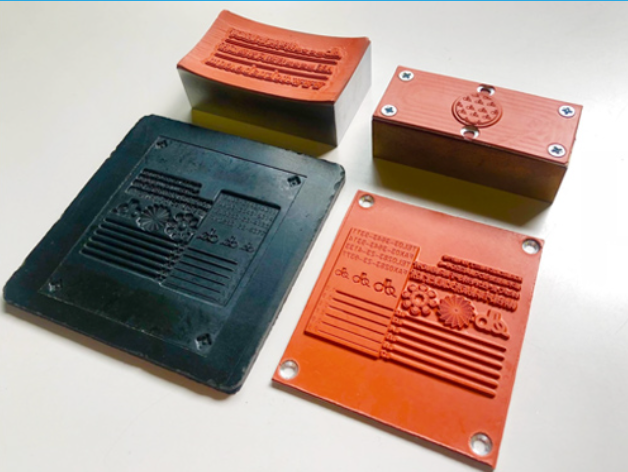
To address this issue, TOKUABE utilizes Metal-Base Silicone Rubber Dies (Metal Base Rubber), combining the structural rigidity of a metal substrate with the flexibility of silicone rubber, paired with custom-designed holding jigs suited to each workpiece profile.
The elasticity and heat-resistance properties of silicone rubber allow the die to conform to curved surfaces, ensuring uniform pressure and heat distribution. Consequently, the foil adheres completely to the surface, maintaining sharp pattern clarity even on complex 3D shapes.
※For more details, please download the PDF attached to this article or contact us via the form at the bottom of the page.
■ Technical Specifications and Die Design Standards
To maintain process stability in hot-stamping, ensure continuous production compatibility, and preserve decoration quality in real-world applications, TOKUABE establishes the following design guidelines for tooling and Metal-Base Silicone Rubber Dies:
Item | Specifications and Design Standards | Remarks |
Minimum Line Width for Rubber Die | 0.06 mm | Supports fine outline details, small characters, and intricate micro-patterns. |
Rubber Die Profile Geometry | Draft angle of 30° or 40°, designed in 3 steps of 0.5 mm each (total height 1.5 mm) | Reduces rubber deformation under repeated pressing and maintains geometric stability. |
Silicone Rubber Hardness | Hardness No. 90 | Ideal for solid block stamping areas; minimizes rubber collapse and deformation. |
Engraving Height | Max. 1.5 mm (0.5 mm per step recommended) | Prevents twisting, tilting, or buckling of rubber during stamping. |
Recommended Line Width for Metal Die (Brass/Hardened Steel) | 0.1 mm or greater recommended (technically achievable down to 0 mm) | Suitable for flat-surface applications requiring high durability in mass production. |
Aluminum Mounting Plate Thickness | Rear screw mounting: 15 mm thickness or greater Front screw mounting: 10 mm thickness or greater | Ensures robust fastening with M5 and M6 screws for maximum stability during operation. |
■ Hot-Stamping Frequently Asked Questions (FAQ)
Q1. Why is the rubber thickness of a Rubber Die capped at 1.5 mm, and why is No. 90 hardness specified?
A1. The thickness of silicone rubber directly impacts thermal conductivity and stamping process stability. If the rubber layer is overly thick, heat transfer to the hot-stamping foil becomes inefficient, resulting in unstable temperature control. For solid block stamping areas, we recommend silicone rubber with a hardness rating of 90 to prevent sagging or deformation under repeated heat and pressure. If rubber with hardness below 80 is used, the stamping surface may collapse, diminishing pattern sharpness and shortening die service life.
Q2. Is hot-stamping possible on hard-to-adhere materials like PP or PE?
A2. Yes, absolutely. Polypropylene (PP) and Polyethylene (PE) possess low surface energy properties that make foil adhesion inherently difficult. Successfully stamping these substrates requires matching the appropriate foil type, silicone rubber formulation, and stamping parameters for each material. TOKUABE provides guidance on surface preparation and process optimization to enhance adhesion strength and fulfill client testing specifications.
Q3. Can dies and mounting plates be designed to fit a client's existing hot-stamping machinery?
A3. Yes. TOKUABE can custom-design aluminum mounting plates (Aluminium Plate) to match your machine dimensions, mounting bolt hole pitches, and operational requirements. To ensure structural integrity and safe operation, we enforce the following minimum thickness standards
for aluminum plates:
- Rear screw mounting: Minimum 15 mm thickness
- Front screw mounting: Minimum 10 mm thickness These specifications accommodate M5 and M6 mounting screws, ensuring die stability during mass production. For further inquiries regarding hot-stamping die design or part evaluations, please contact the TOKUABE (THAILAND) team for technical support.
※For more details, please download the PDF attached to this article or contact us via the form at the bottom of the page.
Company Information
Pad printing services / Printing materials / Printing consultation services
Tokuabe (Thailand) Co., Ltd. was established in December 2014 as part of Tokushu Abe Seihanjo Co.Ltd., Japan, a company with over 60 years of expertise. We bring proven Japanese knowledge and techniqu ...
PICKUP
Technology & Services
CONTACT
Contact