_d14c9c1b-9850-49e8-adfb-d520564df20c.png)
KNOWLEDGE
Knowledge
Technology and Services
Surface Treatment for Hard-to-Print Materials: Why Ink Fails to Adhere and Peels Off on PP and PE
2026-08-25
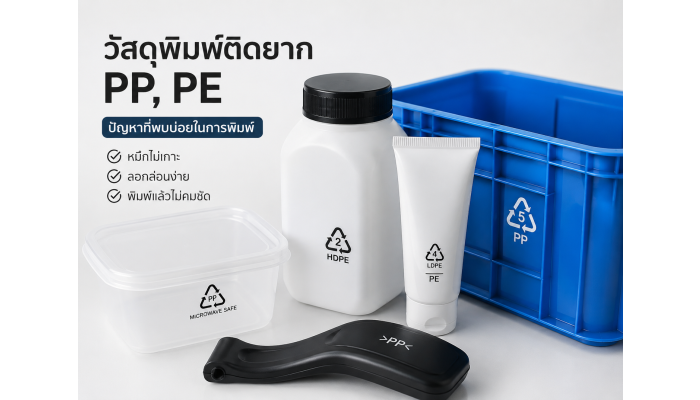
In manufacturing plants in Thailand producing automotive parts and medical devices, printing failure on PP and PE plastics occurs frequently due to low surface energy, which prevents ink from wetting and bonding effectively. Are you currently facing issues with ink peeling and poor adhesion?
Table of Contents
- Characteristics of Hard-to-Print Surfaces Limiting Ink Adhesion
- Poor Ink Wetting and Adhesion Defects on Unprepared Substrates
- Conditions for Adhesion Formation and Stability in Flame and Corona Treatments
- Ink Conditions and Surface Management Before Selecting Pad Printing Specifications
- What TOKUABE (THAILAND) CO., LTD. Can Do
- FAQ
- Key terms for understanding this article
■ Characteristics of Hard-to-Print Surfaces Limiting Ink Adhesion
Polyolefin plastics such as PP and PE inherently present challenges for ink adhesion. In Thai manufacturing facilities, loss of yield in printing automotive components and medical devices due to ink detachment remains an operational concern. Rapid solvent evaporation caused by air conditioning airflow or humidity changes leads to inconsistent print quality. Because these non-polar polymers feature low surface energy, intermolecular bonding with ink is inherently weak. Analyzing substrate surface characteristics and adjusting physical and chemical parameters serve as necessary initial steps for establishing reliable ink bonding.
■ Adhesion Defects on Unprepared Substrates
When PP substrates are processed without appropriate surface conditioning or environmental controls, ink receptivity decreases significantly. This condition often results in ink shrinkage or adhesion failure during scratching or tape tests. Moreover, direct exposure to airflow causes solvent components to evaporate prematurely, impairing uniform ink transfer. To reduce defect rates, it is necessary to analyze substrate surface tension and align ink properties with silicone pad transfer characteristics.
■ Conditions for Adhesion Formation and Stability in Flame and Corona Treatments
Physical surface modification techniques, such as flame treatment or corona discharge, are used to increase adhesion on hard-to-print plastics like PP and PE. However, managing these treatment units internally introduces operational challenges, including part deformation from excess heat, uneven discharge coverage, and high capital investment and maintenance costs.
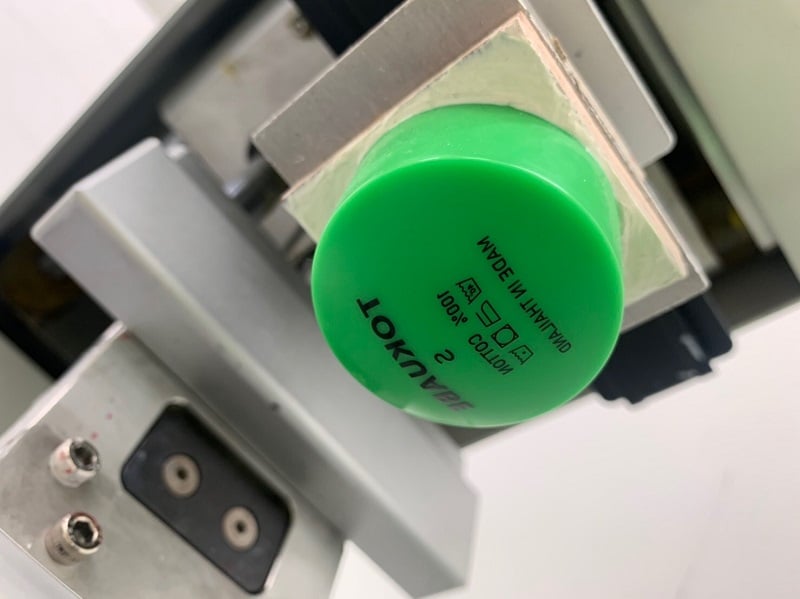
TOKUABE (THAILAND) CO., LTD. provides solutions to achieve reliable adhesion without requiring expensive internal physical treatment equipment. We design comprehensive pad printing parameters, including silicone pad selection (Type N, LH, AT), holding jig development, and environmental control for airflow and humidity. Trial pad printing services are also offered to verify adhesion performance prior to full production.
■ Ink Conditions and Surface Management Before Selecting Pad Printing Specifications
To effectively prevent ink peeling on difficult-to-print plastics, manufacturers must evaluate silicone pad material properties, pad hardness, and printing jig precision alongside surface preparation status.
Environmental factors, including ambient airflow patterns and relative humidity, directly influence common defect types such as pinholes, lack of coverage, fiber generation (stringing), and film peeling. We provide a full range of silicone pad products to support sustainable quality improvements on the shop floor.
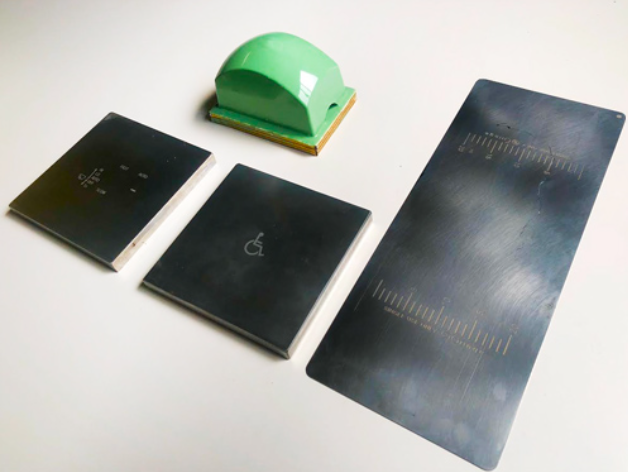
Pad Material Characteristics
Material | Color | Hardness | Key Features |
N | Light Green | 38 / 31 / 21 / 17 | Good chemical resistance, antistatic properties, and compatibility with a wide range of inks. |
LH | White | 39 / 27 / 19 / 13 | High strength and durability; prevents silicone rubber residue from remaining on the workpiece. |
AT | Green | 40 / 29 / 22 / 17 | Minimizes scattered or fuzzy fiber marks and provides excellent ink-volume transfer. |
Dimensional variations caused by sink marks or molding tolerances can result in uneven printing pressure. Implementing custom jigs that fit the substrate geometry stabilizes the part and delivers balanced pressure distribution.
■ What TOKUABE (THAILAND) CO., LTD. Can Do
TOKUABE (THAILAND) CO., LTD. leverages over 60 years of technical expertise from its Japanese headquarters to provide 3D surface printing solutions, addressing ink peeling challenges on PP and PE plastics.
We offer surface analysis and custom pad selection, featuring specialized formulas such as Type N for anti-static control, Type LH for enhanced durability, and Type AT to eliminate ink stringing. Trial printing services are available to verify adhesion performance before full-scale production.
※For more details, please download the PDF attached to this article or contact us via the form at the bottom of the page.
■ FAQ
Q1: Why does ink peel off easily when printed on PP plastic?
A1: Environmental factors such as air conditioner airflow accelerate solvent evaporation, while humidity fluctuations generate static electricity that disrupts ink stability. Furthermore, PP and PE have smooth, low-energy surfaces, making ink adhesion difficult without proper surface preparation or ink selection.
Q2: How do different silicone pad formulations (N, LH, AT) affect printing quality on hard-to-print plastics?
A2: Each pad formulation offers distinct ink release and transfer behaviors. Selecting a pad material matched to the substrate ensures complete and precise ink transfer, establishing strong adhesion.
Q3: How can we evaluate ink compatibility without installing flame or corona treatment systems in our plant?
A3: Surface energy can be measured, and trial printing with tape adhesion testing (Adhesion Test) can be performed on actual substrates prior to production to confirm whether ink adheres without corona or flame treatment.
■ Key terms for understanding this article
- Hard-to-print plastics : Plastics with low surface energy and non-polar structures, such as PP and PE, which resist standard ink bonding.
- Wettability : The ability of a liquid to spread over a solid surface, dictated by the surface energy of the substrate.
- Tape test (Adhesion Test) : A standard practical testing method where pressure-sensitive tape is applied over a printed pattern and rapidly removed to evaluate ink bonding strength and film durability.
※For more details, please download the PDF attached to this article or contact us via the form at the bottom of the page.
Company Information
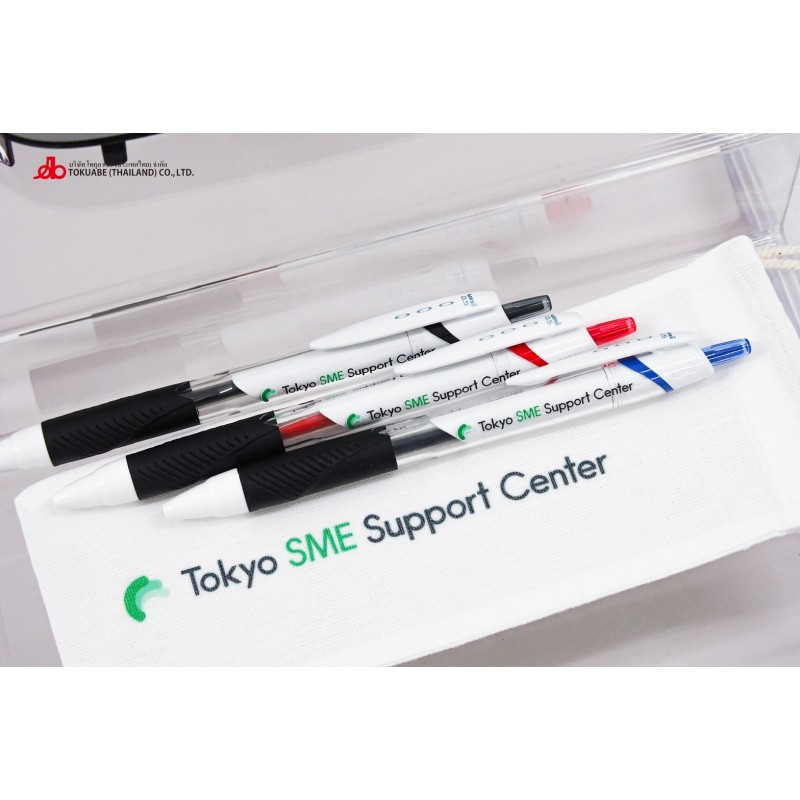
Pad printing services / Printing materials / Printing consultation services
Tokuabe (Thailand) Co., Ltd. was established in December 2014 as part of Tokushu Abe Seihanjo Co.Ltd., Japan, a company with over 60 years of expertise. We bring proven Japanese knowledge and techniqu ...


PICKUP
Technology & Services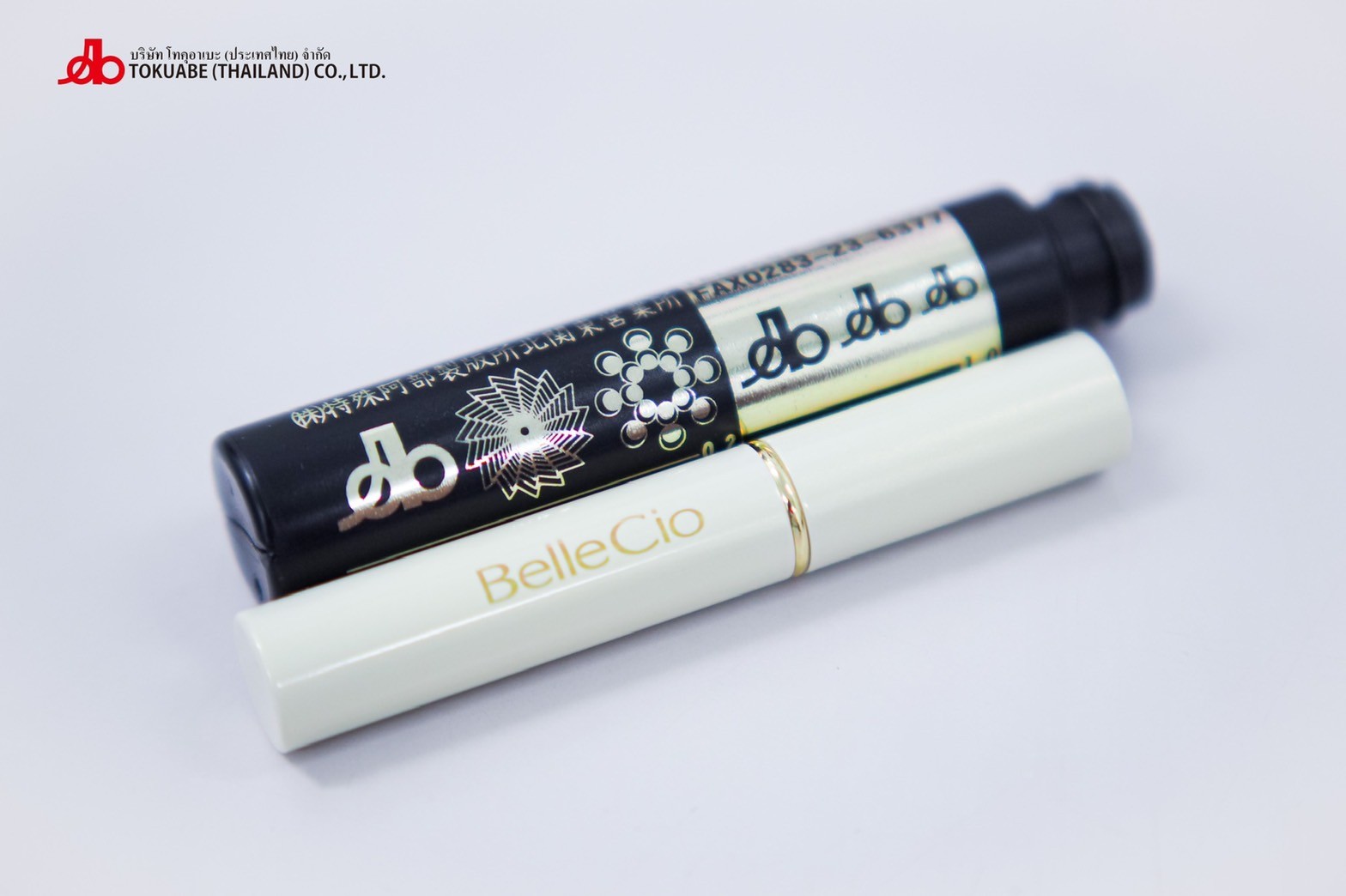
CONTACT
Contact