_d14c9c1b-9850-49e8-adfb-d520564df20c.png)
SERVICES
Technology & Services
Pad Printing on Curved Surfaces : Precision Printing for PP/PE Plastics with Micro-Text Capability
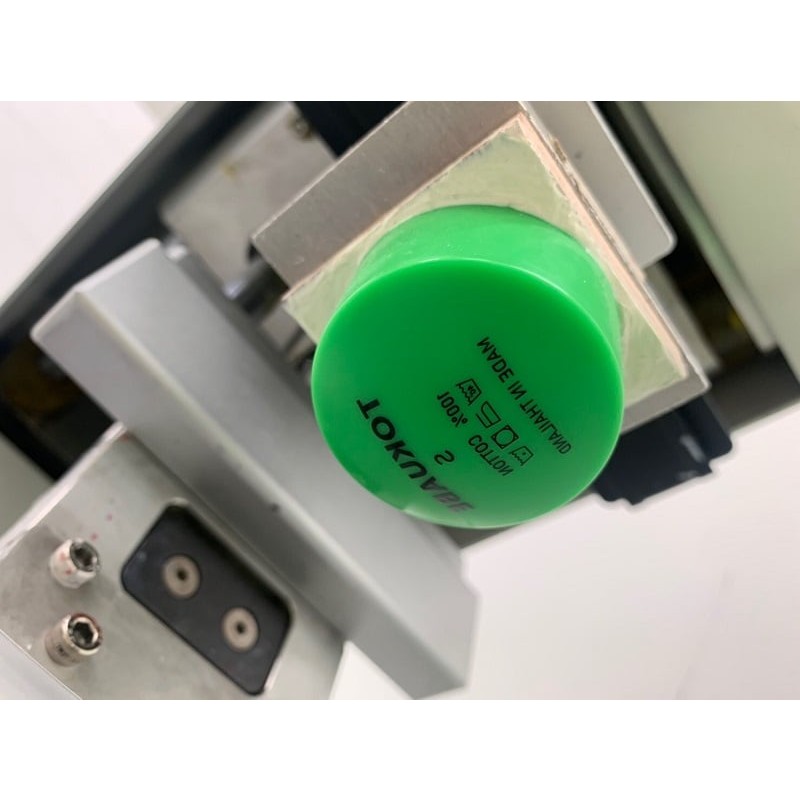
TOKUABE (THAILAND) CO., LTD. provides contract pad printing services for curved surfaces. We handle difficult-to-bond materials such as PP (Polypropylene) and PE (Polyethylene) plastics, offering comprehensive support from low-volume prototyping to equipment installation for in-house manufacturing.
Table of Contents
- Preventing Misalignment and Distortion on 3D Curved Surfaces through Proper Silicone Pad Selection
- Adhesion Challenges and Limitations on PP/PE Materials
- Micro Character Printing Technology with 0.07 mm Line Width
- Printing Test Services
- Service Scope and Conditions of Contract Pad Printing
- Technical Data of Equipment, Plates, and Printing Quality Maintenance
- What TOKUABE (THAILAND) CO., LTD. Can Do
- FAQ
- Key terms for understanding this article
■ Preventing Misalignment and Distortion on 3D Curved Surfaces through Proper Silicone Pad Selection
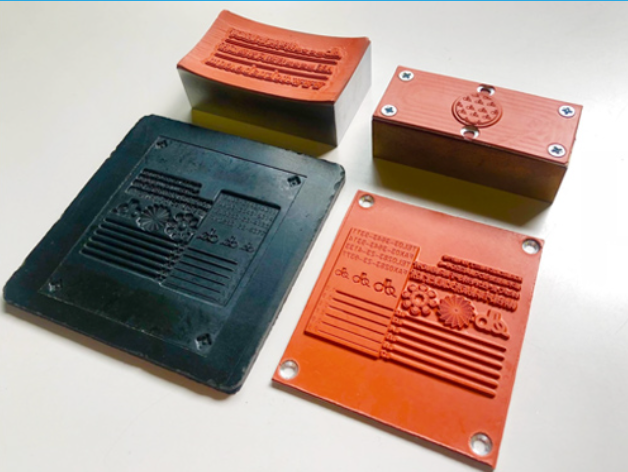
When printing on curved surfaces, deep grooves, or uneven workpieces, issues such as distorted patterns, deformed characters, or misaligned prints often occur due to the deformation of the silicone pad during ink transfer.
TOKUABE (THAILAND) CO., LTD. selects from over 200 shapes of silicone pads and chooses the appropriate material grade for each workpiece, such as Grade N, which reduces static electricity and offers high chemical resistance.
In addition, we design specialized jigs to firmly secure workpieces, and carefully select pad hardness, shape, and grade matching the surface profile and curvature. This ensures uniform contact and efficient ink transfer.
By controlling both equipment and printing parameters, we achieve crisp prints without stretching or distortion on complex parts like automotive switches or turn signal levers, keeping the printing position exactly as designed.
■ Adhesion Challenges and Limitations on PP/PE Materials
PP (Polypropylene) and PE (Polyethylene) are plastics with low surface energy, which makes ink adhesion highly difficult and increases the risk of peeling during cross-hatch tests—especially on electronic parts, medical devices, and products subject to rigorous quality control.
To enhance bonding performance, we select ink formulations optimized for each specific material and combine them with appropriate surface treatments. This prevents ink peeling, improves clarity, and successfully meets client-specified adhesion standards.
■ Micro Character Printing Technology with 0.07 mm Line Width
Printing micro characters or symbols—such as model numbers, safety warnings, or scales—requires precise control at every step, as ultra-fine lines can easily break, blur at the edges, or lose definition.
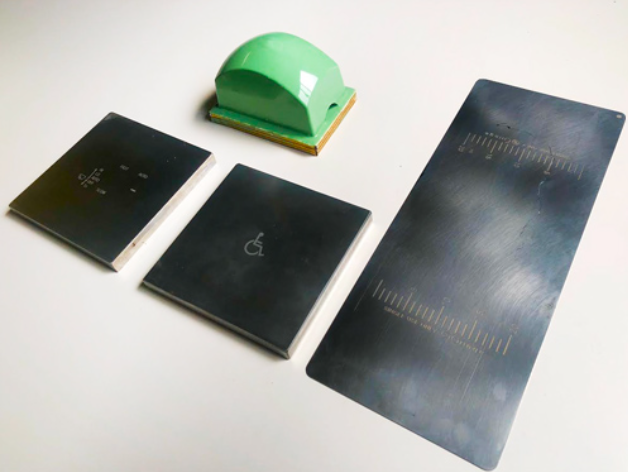
We utilize Japanese high-precision steel plates (Grade S) with a depth tolerance of just ±2 microns, paired with a 0.3 mm thick straight-type doctor blade to ensure uniform ink doctoring and prevent blade deflection.
By optimizing plate depth, ink viscosity, and the doctoring system, we can print lines with widths as narrow as 0.07 mm with exceptional clarity, making it ideal for micro-details on capacitors or syringe scales.
■ Printing Test Services
Launching new projects or transitioning from outsourced contract printing to in-house production typically requires considerable time to establish stable printing conditions. A lack of specialized expertise often leads to high rejection rates and trials cost.
We offer print testing services to evaluate ink compatibility, ink thickness, and adhesion on actual client workpieces. Once test results are verified, we can perform contract printing according to your desired volumes.
As production volumes scale up and in-house manufacturing becomes cost-effective, TOKUABE can supply and install high-quality pad printing machines from Taiwan and China, transferring verified parameters to help you start in-house production with minimal downtime.
This phased approach mitigates investment risks, reduces trial waste, ensures smooth technology transfer, and shortens the time-to-market for new products.
■ Service Scope and Conditions of Contract Pad Printing
The following table outlines the service scope and specifications of TOKUABE (THAILAND) CO., LTD. to assist procurement and production managers in project planning.
TOKUABE Contract Pad Printing Service Specifications
Item | Details and Specifications |
Maximum Printing Area | Approximately 70 x 70 mm (Actual printable area may decrease if obstacles are present or if printing on spheres like golf balls) |
Primary Compatible Materials | PS (Polystyrene), ABS, PVC (Polyvinyl Chloride), PC (Polycarbonate), and other materials |
Production Lot Size | No minimum lot requirement. We support prototypes, small batches, and mass production. Mass contract orders of 1,000+ pieces are recommended for cost efficiency |
Target Product Sectors | Automotive components (turn signal levers, instrument panels, switches), electronic components (capacitors), medical devices (syringes), packaging, and premium promotional items |
Process Workflow | Material-ink compatibility test → Jig design → Sample printing test → Commercial contract production |
※For specific shape inquiries or detailed conditions, specifications can be confirmed with our sales representative in advance.
■ Technical Data of Equipment, Plates, and Printing Quality Maintenance
Stable printing quality does not depend solely on operator skill; it relies heavily on selecting appropriate peripheral equipment at each step. Below is the technical data of the key components we use to maintain consistent quality.
Silicone Pad
- Supported Shapes | Over 200 shapes are available to flexibly accommodate various workpiece contours and surfaces.
Material Properties
- Grade N: Reduces static charge, prevents ink webbing/feathering, offers chemical resistance, and works with diverse inks.
- Grade LH: High durability; minimizes ghosting/ink residue on the pad face.
- Grade AT: Controls static electricity and delivers excellent ink transfer volumes.
Steel Plate
- Grade S (Japan Standard) | Depth tolerance of ±2 microns; rust-resistant; perfect for high-definition micro-printing.
- Grade B (Asia Standard) | Depth tolerance of ±4 microns; highly cost-effective while maintaining reliable print quality. Note
Supports etching down to 0.07 mm width.
Doctor Blade
- Straight Type (0.3 mm thick) | Prevents blade bending and warping; ensures consistent scraping across the plate; ideal for fine and general printing.
- Beveled Type (0.45 mm and 0.9 mm thick) | High strength and wear resistance; suitable for specialized printing requiring custom pressure adjustments or minimal blade deflection.
■ Japanese Standard Quality Control System
We place great importance on quality control at every stage of the printing process. By applying working guidelines and technical expertise inherited from our Japanese headquarters to our facility in Thailand, we ensure that production quality remains consistent and conforms to the same high standards.
Our team undergoes continuous training in pad printing techniques and quality control. We perform inspections before printing, during production, and prior to shipping to ensure that our customers receive workpieces with consistent quality.
■ Three-Step Quality Control Process
- Pre-Print Inspection:
- Inspecting incoming workpieces to verify printability.
- Checking workpiece-jig fit to verify the printing plane and prevent shifting or movement during printing.
- In-Process Quality Control:
- Visual sampling inspections for print alignment, ink consistency, and pattern clarity.
- Conducting ink adhesion testing via processes such as tape tests and cross-cut tests.
- Post-Print Quality Control:
- Evaluating ink film thickness stability and inspecting product completeness prior to shipping.
※For more details, please download the PDF attached to this article or contact us via the form at the bottom of the page.
■ FAQ
Q1:If we wish to bring the pad printing process in-house to reduce costs in the future, what support can TOKUABE offer?
A1:We support your transition to in-house pad printing by sourcing and installing the appropriate machinery and transferring verified printing process parameters.
Q2:Is it possible to print on hard-to-adhere materials that peel easily, such as PP (Polypropylene) or PE (Polyethylene)?
A2:Printing on low-adhesion plastics like PP and PE is fully possible by combining optimized ink formulations with appropriate surface treatments.
Q3:Is there a way to prevent static feathering or ink stringing, which are common issues in pad printing?
A3:Clear countermeasures exist to prevent static feathering and ink stringing, including the use of conductive silicone pads and controlling solvent/ambient conditions.
Q4:Can we run print tests and adhesion tests on our actual products before placing a commercial order?
A4:We provide pre-commercial testing services using your actual workpieces to evaluate print quality and ink adhesion before starting mass production
※For more details, please download the PDF attached to this article or contact us via the form at the bottom of the page.
Company Information
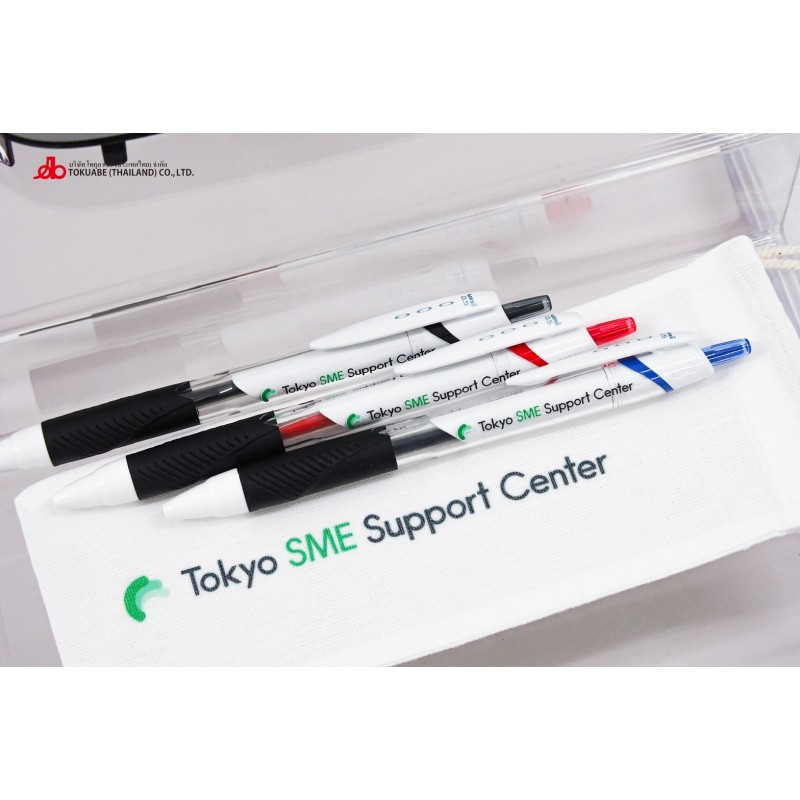
Pad printing services / Printing materials / Printing consultation services
Tokuabe (Thailand) Co., Ltd. was established in December 2014 as part of Tokushu Abe Seihanjo Co.Ltd., Japan, a company with over 60 years of expertise. We bring proven Japanese knowledge and techniqu ...
PICKUP
Technology & Services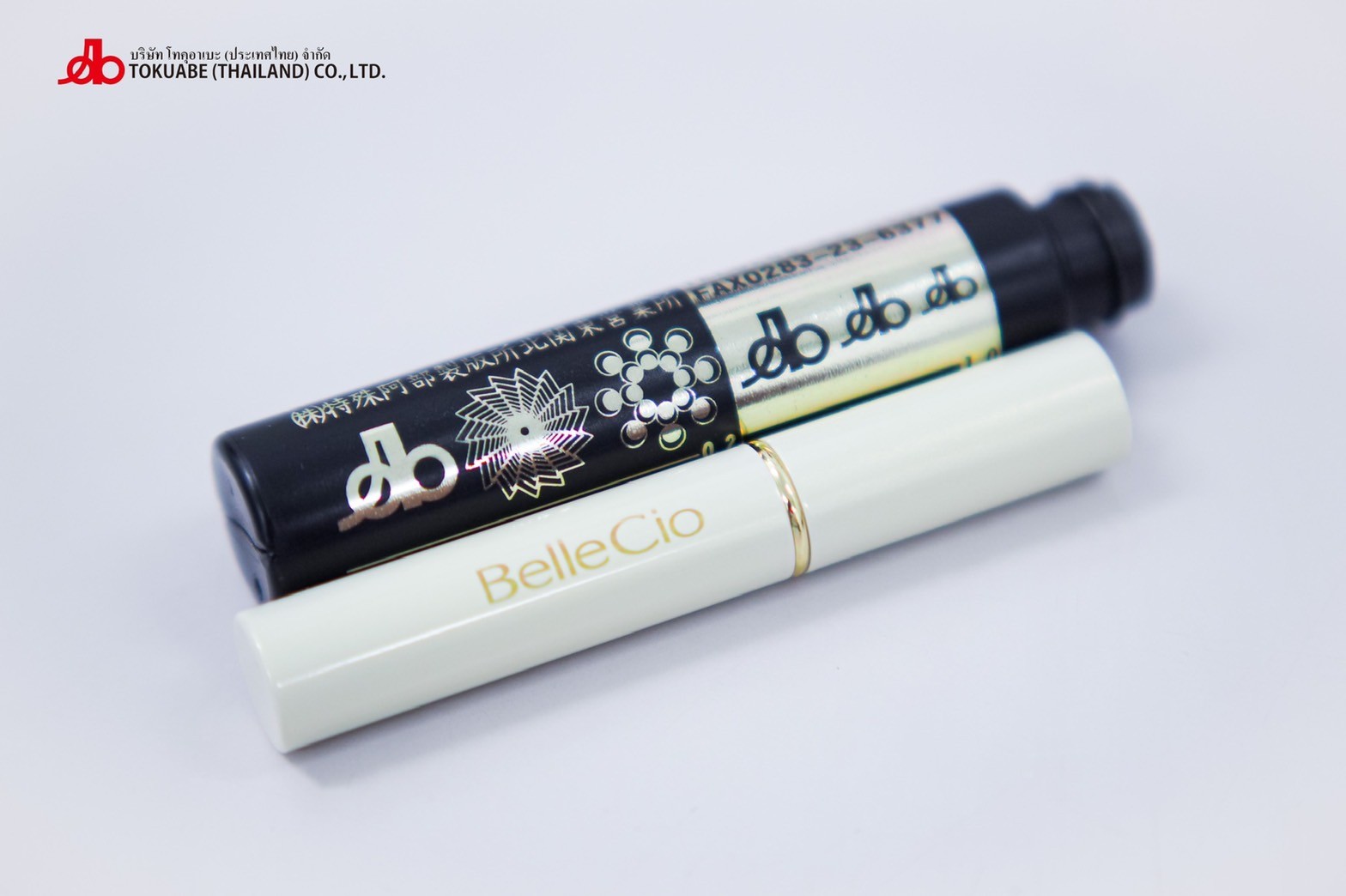
CONTACT
Contact