_d14c9c1b-9850-49e8-adfb-d520564df20c.png)
SERVICES
Technology & Services
Tagless Label Printing Service | Custom Tagless labels, Japanese Standard
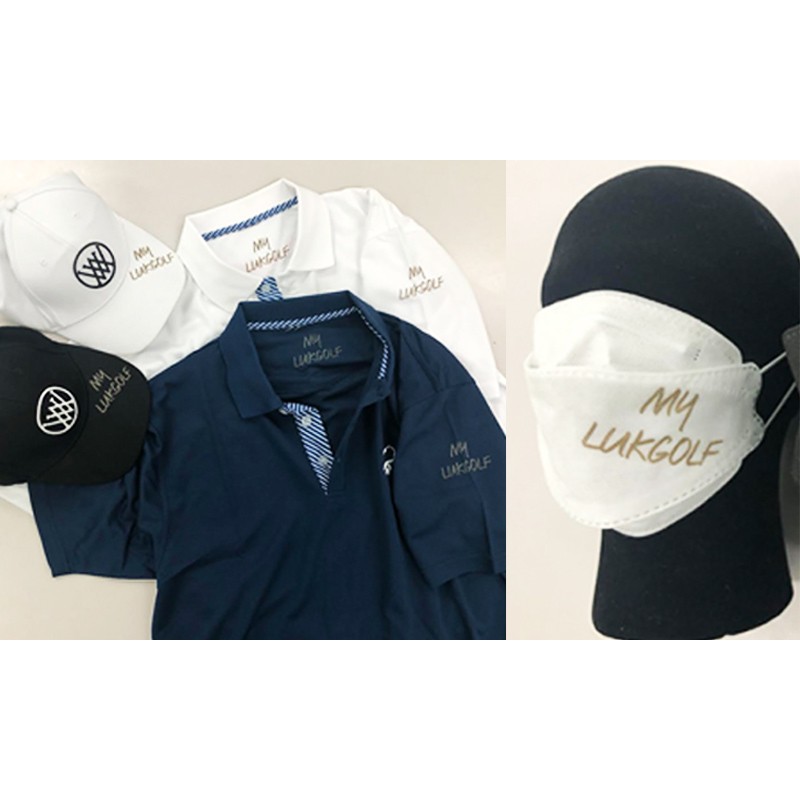
Tokuabe (Thailand) Co., Ltd. provides contract tagless care label printing services (Tagless Printing) for garments in Samutprakarn, Thailand. Supporting highly stretchable fabrics such as polyester and spandex, we offer in-house printing services with no minimum order quantity (No MOQ) limits.
Table of Contents
Eliminating Sewn Label Irritation to Prevent Label Cutting and Preserve Brand Identity
Advanced Textile Pad Printing Ink Chemistry for Cotton, Polyester, and Highly Stretchable Spandex
Japanese Quality Control Standards Rooted in Over 60 Years of Printing Expertise
Frequently Asked Questions (FAQ)
■ Eliminating Sewn Label Irritation to Prevent Label Cutting and Preserve Brand Identity
Traditionally, most apparel brands secure their logos, sizing charts, and laundry instructions to the collar or side seams using woven labels or satin labels sewn directly into the seam. However, the rigid edges and stiff fibers of these sewn-in tags frequently rub against the skin, causing severe itching and localized skin irritation for the wearer.
Statistical research indicates that approximately 70% of consumers immediately cut sewn tags off new garments to eliminate this tactile discomfort. Once cut, the brand's logo, size specifications, and essential care instructions (Care Label) are permanently discarded, destroying the brand’s visual identity and removing guidance on proper garment maintenance.
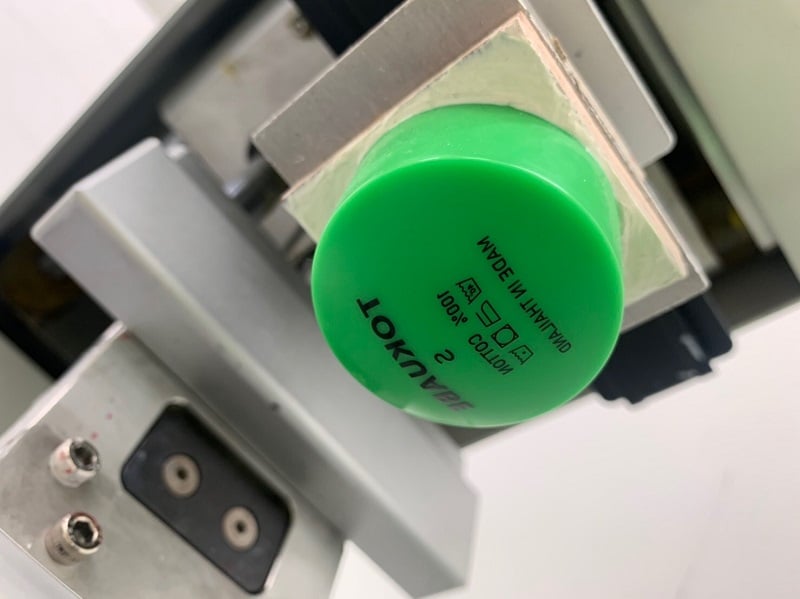
Our custom tagless printing service (Tagless Printing) directly prints branding details onto the inner fabric using a soft, micro-thin ink film. Since no auxiliary materials or stitching threads are added, skin friction is completely eliminated. Wearers have no incentive to cut or damage the printed label, ensuring that your corporate logo and laundry guidelines remain cleanly intact for the entire lifecycle of the clothing.
■ Advanced Textile Pad Printing Ink Chemistry for Cotton, Polyester, and Highly Stretchable Spandex
Direct textile printing presents significant physical challenges because different fabrics behave differently under tension, shrinkage, and wash cycles. This is particularly true for high-stretch fabrics or performance materials used in activewear; standard printing options often experience severe cracking, wrinkling, or premature ink peeling as the material expands and contracts.
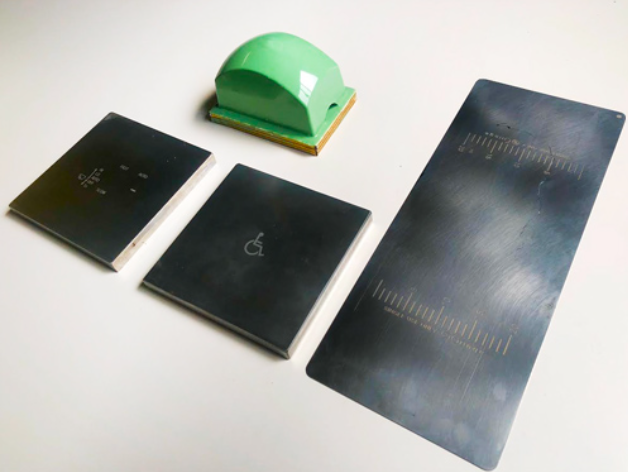
To solve this, Tokuabe (Thailand) Co., Ltd. has developed specialized ink mixing processes paired with industrial silicone pads tailored for specific apparel substrates. We accommodate natural cotton fibers (Cotton), synthetic materials like polyester (Polyester), highly stretchable polyurethane blends like spandex (Spandex), and various fabric compositions.
This highly specialized ink formulation binds tightly to the fabric structure. When the garment undergoes physical stretching, the printed ink layer expands elastically alongside the textile fibers without cracking, splitting, or color loss. The resulting prints exhibit outstanding resistance to domestic and commercial washing, retaining crisp boundaries even under continuous wear.
Tangible Benefits for Brands and Factories
| Traditional Sewn-in Labels | Tagless Printing | |
| Wearer Experience | Irritating, often cut off | Soft and comfortable, with no noticeable print feel |
| Brand Permanence | Lost when the label is cut off | Remains for the lifetime of the product |
| Production Cost | Requires additional materials and sewing steps | Reduces materials and production steps |
| Sustainability | Uses additional paper and film | No additional materials required |
■ Japanese Quality Control Standards Rooted in Over 60 Years of Printing Expertise
Sourcing overseas contract textile printing can often create quality consistency concerns for procurement departments, such as ink bleeding through to the front face, misaligned label alignments, or weak ink adhesion that washes out prematurely.
We operate as a wholly-owned subsidiary of Tokushu Abe Seihanjo Co., Ltd. in Japan, a premier prepress manufacturer with more than 60 years of technical expertise in industrial pad printing. Our local manufacturing plant is staffed and managed by Thai technicians who have successfully completed intensive technical training courses at our Japanese parent facility.
At our Samutprakarn printing plant situated inside the Asia Industrial Estate (Suvarnabhumi), we employ Japan-standard quality control procedures. We run comprehensive alignment accuracy checks, determine exact pad deformation limits relative to fabric elasticity, and conduct systematic wash-fastness adhesion evaluations.
This rigorous quality control (QC) setup ensures that your logo, size indication, and wash care instructions are transferred uniformly in a single pass, with complete color consistency and zero alignment deviations across large production runs.
※For more details, please download the attached materials or contact us via the form below.
■ Frequently Asked Questions (FAQ)
Q1: Is there a minimum order quantity (MOQ)?
A1: We have no minimum order quantity limits. We accommodate small pre-production designer samples or apparel development trials, as well as large-scale bulk orders for established fashion brands, with the exact same industrial printing machinery and care.
Q2: How durable is the tagless print against home wash cycles?
A2: Our printed neck labels use specialized thermal-cured textile inks that survive over 100 industrial or home wash cycles. The ink will not crack, flake, peel, or fade during the typical useful life of the garment.
Q3: What types of fabrics can be printed on using this service?
A3: We print on a wide range of common textile materials, including cotton, polyester, nylon, and spandex. Because fabric coatings, such as hydrophobic finishes or active dye methods, can alter ink bonding, we recommend sending fabric samples for evaluation to determine the ideal ink compound before bulk production begins.
Q4: Is Tagless Printing more cost-efficient than purchasing and sewing traditional labels?
A4: Yes, in terms of total cost of ownership. Traditional neck labels require procurement of woven fabrics, tracking different tag sizes, warehousing separate inventories, and adding manual sewing steps in the assembly line. Moving to Tagless Printing eliminates these manual assembly line tasks and significantly reduces waste from unused label stock.
※For more details, please download the attached materials or contact us via the form below.
Company Information
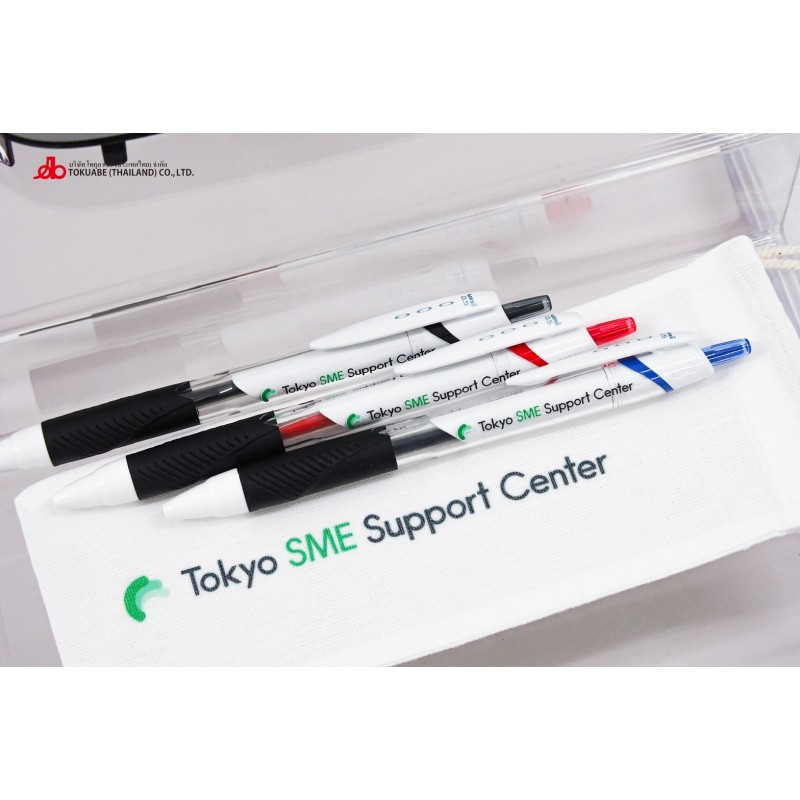
Pad printing services / Printing materials / Printing consultation services
Tokuabe (Thailand) Co., Ltd. was established in December 2014 as part of Tokushu Abe Seihanjo Co.Ltd., Japan, a company with over 60 years of expertise. We bring proven Japanese knowledge and techniqu ...
CATALOG
Related Catalogs
PICKUP
Technology & Services
CONTACT
Contact