_e20dbbbb-8b52-47ad-85d5-bc3eb067102e.png)
SERVICES
Technology & Services
How to Secure a Stable Supply of Medical Device Coils in Thailand|PRONEC’s Quality Control System for Reducing Wire Breakage and Dimensional Defects
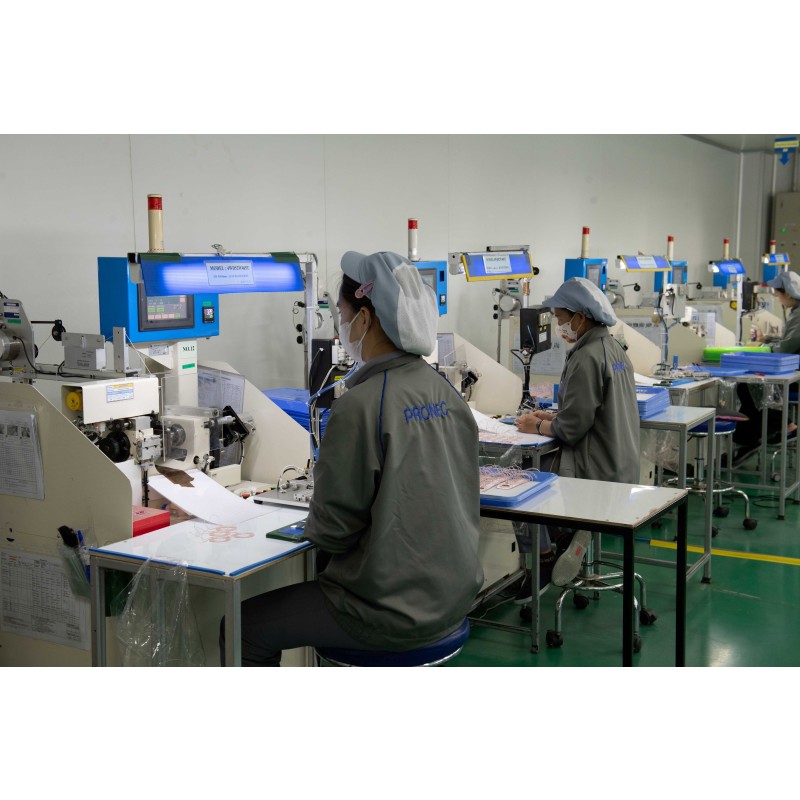
The goal of this article is to assist purchasing managers and factory engineers in Thailand who are currently facing issues with damage to coils used in medical devices such as solenoid valves for dialysis machines. These applications demand strict quality and stability, yet general manufacturers frequently encounter problems like wire breakage or oversized dimensions, leading to delivery delays. Are you looking for a coil manufacturer in Thailand that can tangibly control production processes and implement inspection systems to reduce defects?
Table of Contents
- Challenges in Producing Coils for High-Precision Medical Equipment
- Maintaining Tension via Servo Systems and Preventing Wire Breakage During Soldering
- Eliminating Solder Dross and Resolving Oversized Dimensions via Air Nippers and Automated Soldering Systems
- Integrating a 4-Step Inspection Process into a Single System via QC Pro Software
- How PRONEC Reduces Delivery Lead Time Through a Fully Integrated Production Line
- Frequently Asked Questions (FAQ)
- Key Terms for Understanding This Article
Challenges in Producing Coils for High-Precision Medical Equipment
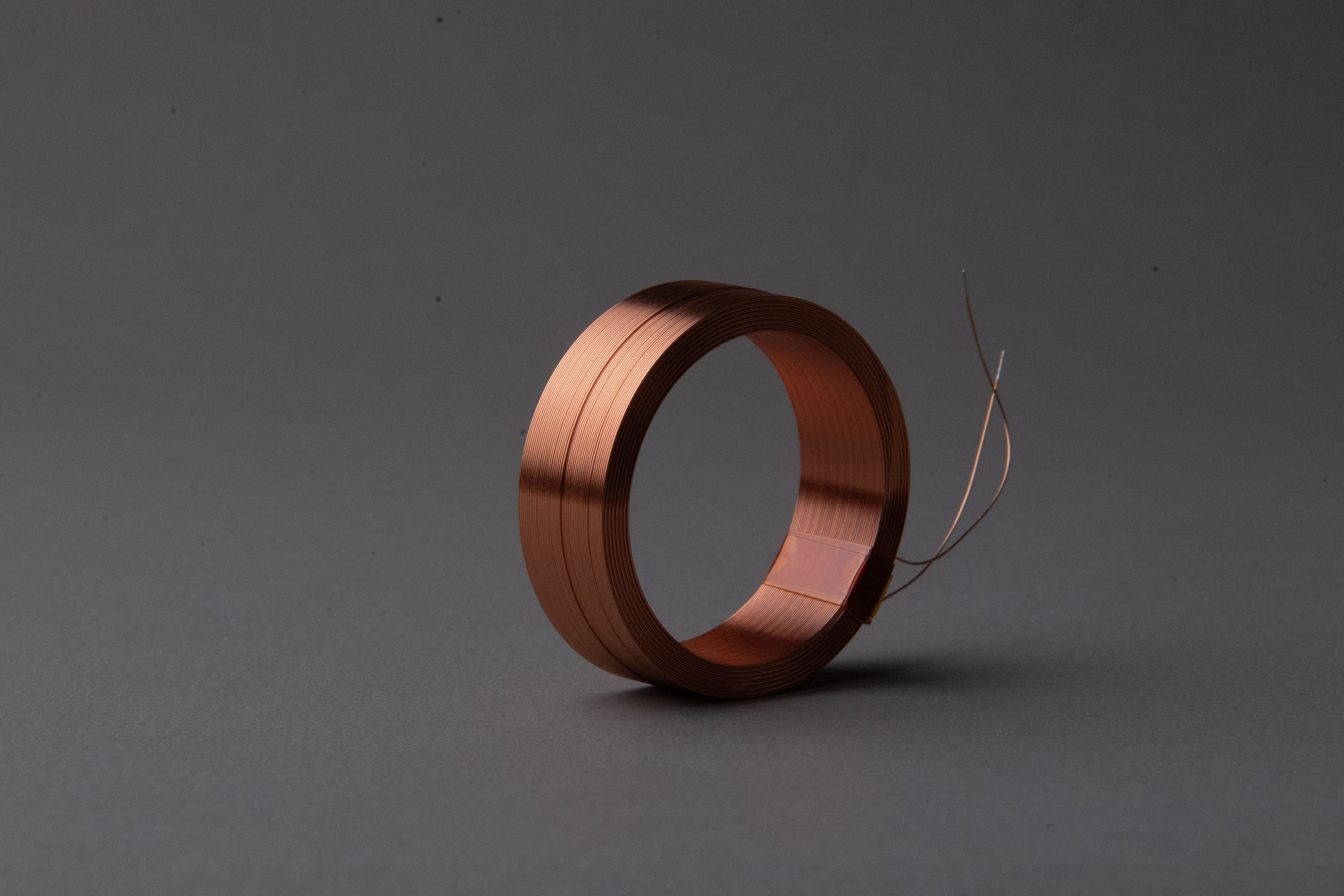
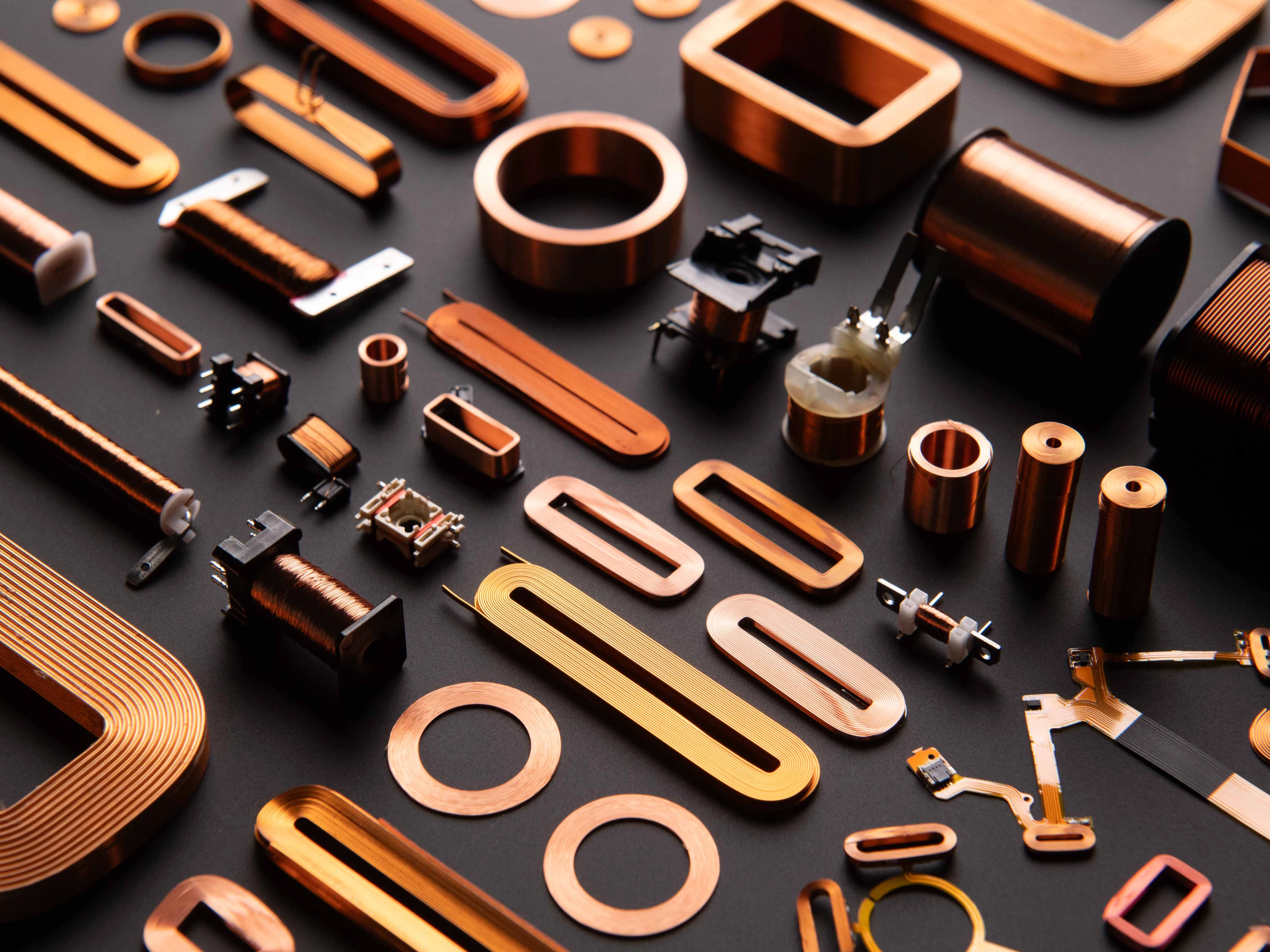
Electronic components in medical devices, such as solenoid valves installed in dialysis machines, demand an exceptionally high level of operational stability. Therefore, securing coils with consistent dimensional standards is crucial. However, conventional wire-winding processes often suffer from fluctuations caused by human craftsmanship, resulting in inconsistent outer dimensions for both air core coils and bobbin coils.
When coils with inconsistent wire bonding are subjected to reliability testing under high temperature and high pressure conditions (High Temperature and High Pressure Test), winding expansion or swelling frequently occurs. In the past, resolving this by adding a post-production annealing step significantly increased both production time and costs. Consequently, quality control right from the initial forming stage has become a critical requirement for component assemblers.
Maintaining Tension via Servo Systems and Preventing Wire Breakage During Soldering
To meet the demand for coil stability, PRONEC utilizes in-house manufactured wire-winding machines that support ultra-fine diameter conductive wires starting from Φ0.02 mm. This process operates in conjunction with a Servo Tension control system and an Electronic Tension control system. These systems continuously measure the load exerted on the winding motor and provide feedback to control tension precisely, thereby preventing wire deformation or over-tensioning.
In addition, for the production of bobbinless coils that require self-bonding wire (wire coated with a heat-activatable adhesive layer), the company has installed a Double Heater system inside the winding machines. This system melts the bonding layer uniformly, ensuring the coil binds tightly together. As a result, the windings do not swell when subjected to high-temperature and high-pressure environmental testing, eliminating the need for a subsequent annealing process.
For wires with a diameter below 0.040, which are highly vulnerable to breakage due to heat and impact during the soldering stage, we implement a wire twisting method at the terminal joint prior to soldering. This effectively distributes stress and reduces the risk of breakage.
Eliminating Solder Dross and Resolving Oversized Dimensions via Air Nippers and Automated Soldering Systems
During the terminal soldering process, issues such as solder ball splattering and residual Tetron-type plastic insulation wrapping often compromise the electrical properties and dimensional structure of the workpiece. To control this, PRONEC utilizes automated soldering equipment including both rotary and robotic arm types which can finely control the solder liquid level down to the tens of microns. This is paired with custom jigs to prevent the scattering of solder dross. For insulated wires, the dipping method in the solder bath has been modified into a multi-directional movement system split into two stages: the first stage melts the plastic insulation, and the second stage applies the solder bonding.
Regarding the wire-cutting process, using conventional manual nippers often crushes and deforms the cross-section of conductive Litz wire, leading to dimensions that exceed standards. The company has therefore introduced a fixed-jig system and an automated Air Nipper System to control this operation. The workpiece is securely clamped to the jig before the automated system moves in to cut the wire end precisely to the specified length. This ensures the cut cross-section remains consistently round and is not compressed out of shape.
Integrating a 4-Step Inspection Process into a Single System via QC Pro Software
To eliminate human error arising from operators' visual inspections, PRONEC has consolidated a 4-step characteristic inspection process into a single testing machine utilizing shared measurement probes, as follows:
- Resistance Measurement
- Withstanding Voltage Testing
- Insulation Resistance Measurement
- Impulse Testing
Workpieces that pass the criteria are automatically sorted, while non-standard pieces are automatically deflected into a dedicated scrap box.
Furthermore, all measurement data is directly recorded, processed, and analyzed through an automated processing software named QC Pro. This minimizes manual reporting errors and enables rapid traceability. For environmental control within the production area, in addition to the centralized Chiller system, the factory has installed additional Package Air Conditioners. These control temperatures specifically in production lines that operate 24 hours a day through the night, conserving energy while maintaining production process stability.
How PRONEC Reduces Delivery Lead Time Through a Fully Integrated Production Line
PRONEC has established a fully integrated production line encompassing coil winding by consolidating 4 main manufacturing steps under a single management system:
- Plastic Component Molding
- Wire Winding
- Joint Component Assembly
- Plastic Injection Overmolding
Balancing the total cycle time of each workstation (Tact Time) ensures smooth production flow and reduces Work-in-Progress (WIP) to the lowest level. This fully integrated production system eliminates the hassle of coordinating with multiple parties, significantly reduces delivery lead time, and accelerates troubleshooting should any defects arise.
Frequently Asked Questions (FAQ)
Q: How do you prevent wire breakage when soldering ultra-fine wires?
A: For conductive wires with a diameter below 0.040, we propose making a twisted coil (twisting the wire strands) at the terminal joint before soldering. This reduces tension and stress, clearly preventing wire breakage and increasing the inspection pass rate.
Q: How does the wire-end cutting control system maintain dimensional accuracy?
A: We utilize an automated air nipper system and proprietary cutting jigs developed in-house. The coil is securely locked onto the jig before high-precision cutting takes place, maintaining the round shape of the wire end without flattening it.
Q: How do you guarantee the quality of coils manufactured at the factory in Thailand?
A: We feature a characteristic inspection system that integrates 4 testing steps (Resistance, Withstanding Voltage, Insulation Resistance, and Impulse) into a single system. This works alongside the QC Pro software to record and analyze data, ensuring complete traceability.
Key Terms for Understanding This Article
- Servo Tension: A wire tension control system that measures motor load and feeds back data for high precision.
- Automated Soldering: Rotary and robotic arm soldering equipment capable of controlling the solder liquid level down to the tens of microns.
- Characteristic Inspection System: The integration of resistance, withstanding voltage, insulation, and impulse testing into a single system to automatically sort out defects.
※ For inquiries regarding the products and technologies mentioned in this article, or to consult about prototype production, please contact PRONEC CO., LTD.
Company Information
Medical equipment / Electrical component for transportation equipment / Electronic parts
Air core coil, Bobbin coil, Coil Assembly, Solenoid coil, Wireless power transfer coil, WPC, RFID, Winding machine, OEM / Plastic molded products, overmolded products
PRONEC is a specialized manufacturer in Thailand with over 30 years of experience in air-core coils, precision coils, and electronic component assemblies. With integrated in-house capabilities from pr ...
CATALOG
Related Catalogs
PICKUP
Technology & Services
CONTACT
Contact