


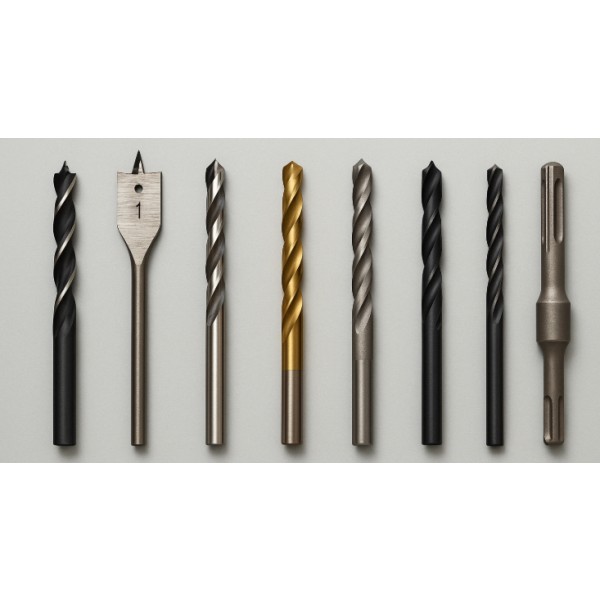
How Beginners Use a Drill. Understand Drill Bit Types Before You Start Drilling
■ Why Choosing the Right Drill Bit is Important In DIY projects, general handiwork, or even fieldwork, one of the most common mistakes is using the wrong drill bit for the material, which can cause damage or poor drilling results.
Although drill bits serve the simple purpose of making holes, their shape, material, and coating are all specifically designed for particular applications.
For example, using a wood drill bit on metal can quickly lead to overheating and render the tool unusable. Conversely, using a metal drill bit on wood may result in poor cutting and rough holes.
Choosing the correct drill bit ensures smoother work, prolongs the lifespan of tools, and improves the quality of the finished product.
■ Types of Drill Bits and Their Basic Characteristics
There are various types of drill bits depending on the material to be drilled and the shape of the bit. Here are some common examples:
1.1. Wood Drill Bits
- Sharp-tipped for accurate penetration into wood
- Includes types like flat bits and spiral bits
- Designed specifically for wood, not suitable for metal or concrete
1.2. Metal Drill Bits (HSS Bits)
- Made from High Speed Steel (HSS)
- Suitable for drilling into iron, aluminum, or stainless steel
- Heat-resistant and retains sharpness; may come with coatings like titanium or black oxide for enhanced performance
1.3. Concrete Drill Bits
- Tipped with carbide (tungsten carbide), strong enough for hard materials
- Best used with hammer drills
- SDS shank versions are ideal for rotary + hammer drilling
1.4. Plastic or Composite Material Drill Bits
- Designed to resist heat and avoid melting during drilling
- Best used with slow rotation speed and moderate pressure
■ Common Beginner Mistakes and How to Prevent Them
Here are some frequent mistakes made by beginners:
- Using the wrong type of drill bit, causing breakage or damage
→ Always check the material type and choose the right drill bit accordingly
- Excessive speed causing overheating
→ Lower the rotation speed, especially for metal or plastic, and consider using coolant
- Applying too much pressure, causing material to crack or break
→ Apply light but steady pressure
- Drill bit gets stuck or the hole is rough
→ Use pilot holes (drill smaller holes first) or drill in stages to improve results
■ Pre-Use Inspection and Maintenance
Inspecting and maintaining drill bits before and after use greatly contributes to safety and work efficiency.
- Check the cutting edge for chips or dullness
- Inspect the shank for rust or deformation
- Always turn off the power before changing bits
- After use, clean off metal or wood shavings and apply a light coat of anti-rust oil
Neglecting maintenance can shorten the drill bit’s lifespan and cause issues during the next use.
CONTACT
Contact FormCompany Information
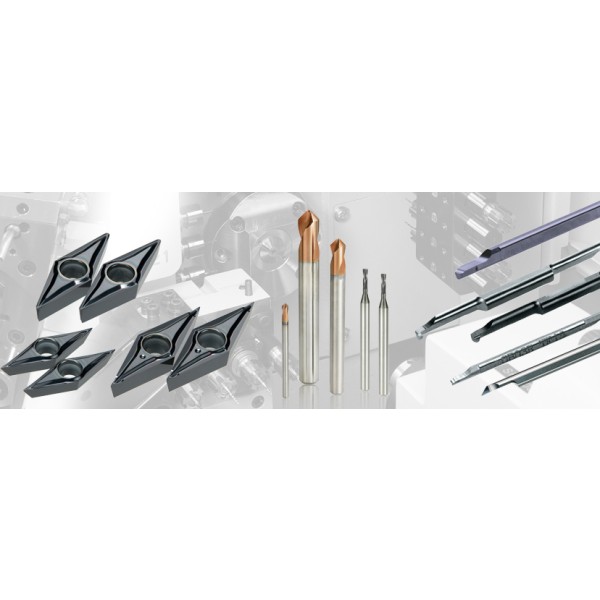
Jigs and tools
Turning Tools / Rotary Tools / Drilling Tools
Mitsubishi Materials carbide tools provide innovative cutting tools and solutions to customers worldwide.