


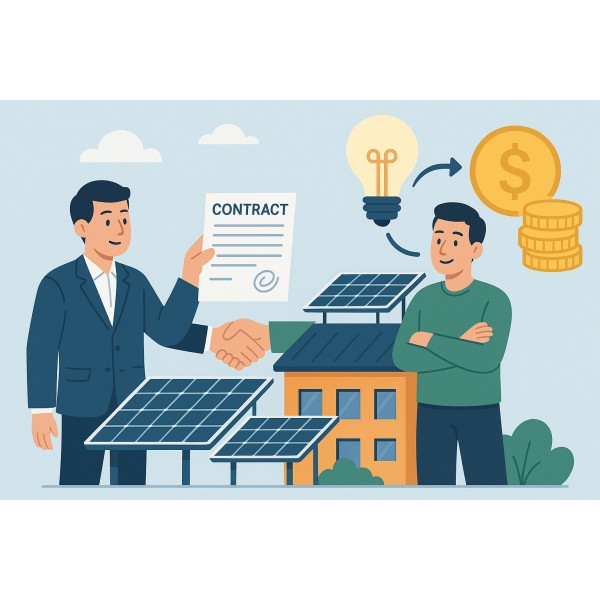
PPA (Power Purchase Agreement) Model | Reduce Electricity Costs with Zero Initial Investment
The PPA model enables factories and businesses to install solar power systems with zero upfront cost, reducing electricity bills and supporting decarbonization all with minimal management burden.
What is the PPA Model?
The PPA (Power Purchase Agreement) is a financing and operational model where a third-party provider installs and owns a solar power system at your facility. You simply purchase the generated electricity over a long-term contract without investing in the equipment.
This approach reduces cash flow stress and provides access to renewable energy at a predictable rate.
Differences from Traditional Solar Installations
Traditional Model:
- Self-ownership
- Requires upfront capital
- User responsible for maintenance and risk
PPA Model:
- Zero initial investment
- Equipment owned and managed by the provider
- No maintenance burden on the user
With a PPA, users avoid large capital expenditures and ongoing maintenance costs.
Benefits and Risks of the PPA Model
Key Benefits:
- No capital investment: Ideal for CAPEX-conscious factories
- Predictable electricity costs: Long-term pricing stability
- Lower carbon footprint: Contributes to decarbonization
- Supports CSR/ESG goals
- Low operational involvement: Management is outsourced
Risks to Consider:
- Long contract terms: Usually 15–20 years
- Early termination clauses may limit flexibility
- Space requirements: Roof or ground space and structure must meet installation criteria
Industries Adopting the PPA Model
Industries with high power usage and large facilities are leading adopters of the PPA model:
- Manufacturing: Reduce operating costs, meet global ESG demands
- Logistics & Warehousing: Utilize large rooftops effectively
- Commercial Spaces: Attract green-conscious tenants
- Food Factories & Cold Storage: Operate 24/7 with stable power needs
PPA solutions also give companies a competitive edge when working with global partners requiring renewable energy sourcing.
How to Implement a PPA-Based Solar System
Implementation Steps:
1. Initial Consultation & On-Site Survey
2. Economic Feasibility & Structural Assessment
3. Contract Signing
4. System Design & Installation
5. System Activation & Power Delivery
6. Ongoing Monitoring & Maintenance (by the provider)
After setup, your company only needs to consume electricity leaving the rest to the PPA provider.
CONTACT
Contact FormCompany Information
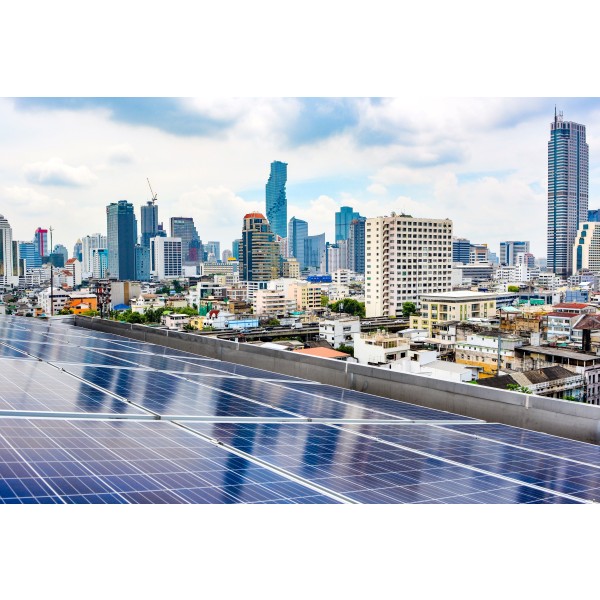
Solar power generation / Energy-saving related business / Renewable energy business
ITC ENEX (THAILAND) CO., LTD. is a Thailand-based company providing sustainable solutions in the energy sector. Leveraging the extensive technology and experience of its parent company, Japan's ENEX G ...