


The Role of PCS (Power Conditioner) in Solar Power Generation|Key Features & Technical Selection
An essential device that determines power generation efficiency, safety, and grid interconnection. This article explains performance comparisons and selection points from a technical perspective.
What is PCS (Power Conditioner)?
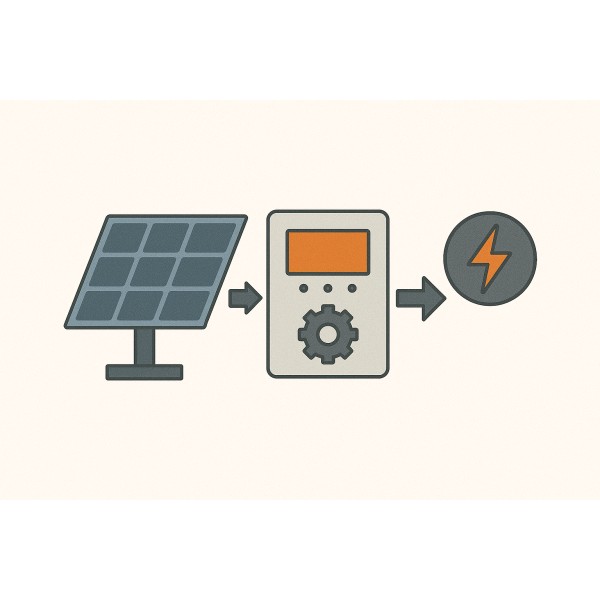
In a solar power generation system, the PCS (Power Conditioning System) is a core device that converts the DC (direct current) power generated by solar panels into AC (alternating current) power, which can then be supplied to the grid or load equipment. It’s not just a conversion device but also handles voltage control, output regulation, grid protection, and power quality maintenance. PCS is a necessary component for grid-connected solar systems, directly impacting power generation efficiency and stable power supply. Its performance and specifications significantly affect the overall system operation rate and economic efficiency.
Main Functions and Technical Features of PCS
Key functions include:
DC-AC Inversion: Converts DC power from solar panels into usable AC power.
Maximum Power Point Tracking (MPPT): Optimizes power output regardless of changing weather or sunlight conditions.
Grid Interconnection Control: Safely and stably connects with the power utility grid, preventing reverse flow and voltage rise.
Protection Functions: Includes protection circuits against overcurrent, overvoltage, short circuits, lightning surges, etc.
Remote Monitoring & Data Logging: Records output status and fault history, improving maintainability.
Through these control and protection functions, PCS acts as the brain of efficient power usage.
PCS Types and Selection Points
PCS can be categorized as follows:
Single-phase / Three-phase: Depends on output capacity; single-phase for small systems, three-phase for medium to large systems.
Centralized / Distributed: Centralized (one PCS for multiple panels) and distributed (individual PCS for each string).
With / Without Standalone Operation: Some can operate independently during grid outages (e.g., disasters).
Important selection criteria include:
Alignment of total system output and PCS rated capacity
Number of MPPT circuits and wide input voltage range
Efficiency and uptime
Environmental conditions (indoor/outdoor, temperature, salt corrosion resistance)
Long-term reliability and maintenance support
Latest Technological Trends and Advancements
Modern PCS is evolving through AI and IoT integration:
Miniaturization via high-frequency inverters
Wider input voltage range for flexible design
Bidirectional inverters compatible with batteries
Remote and cloud-based monitoring
VPP (Virtual Power Plant) and DR (Demand Response) readiness
Thus, PCS is evolving from a simple converter to a smart energy controller.
CONTACT
Contact FormCompany Information
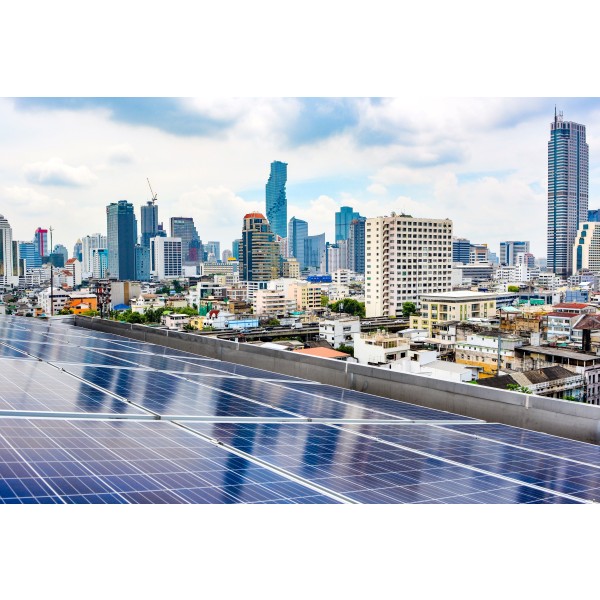
Solar power generation / Energy-saving related business / Renewable energy business
ITC ENEX (THAILAND) CO., LTD. is a Thailand-based company providing sustainable solutions in the energy sector. Leveraging the extensive technology and experience of its parent company, Japan's ENEX G ...