


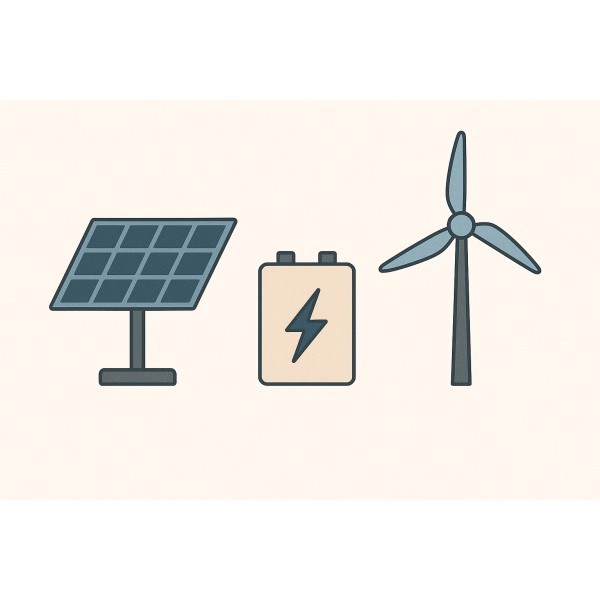
Solar + Battery + Wind|Hybrid Power Systems for Stable and Low-Carbon Energy
To achieve both stable energy supply and decarbonization, hybrid systems that combine solar power with other renewable energy sources and storage systems are gaining attention. This guide explains usage methods and design points according to specific applications.
What is a Hybrid Energy System?
A hybrid energy system combines multiple power generation methods or energy sources to enhance the stability and efficiency of electricity supply.
Solar power is a clean, zero-CO₂ renewable energy source that is easy to install, but its output fluctuates depending on weather and day-night cycles, making it unreliable on its own.
Hybrid systems aim to stabilize and efficiently manage electricity by supplementing solar with other energy sources or storage devices.
Characteristics and Limitations of Solar Power
Characteristics:
Low cost (LCOE continues to drop yearly)
Zero CO₂ emissions during operation
Simple structure and easy maintenance
Limitations:
Dependent on sunlight; no generation at night
Large fluctuations under cloudy or rainy weather
Seasonal and regional output differences
To address these fluctuations, combining solar with storage systems or other energy sources not dependent on weather is effective.
Patterns of Combination with Other Energy Sources
Battery Storage:
Stores electricity generated during the day for use at night or during peak times
Useful for power outage measures (BCP)
Lithium-ion batteries are mainstream; capacity is application-dependent
Wind Power:
Complements solar as their output timings differ
Growing use in both onshore and offshore hybrid systems
Requires advanced power control integration
Diesel Generators (Backup):
Used as auxiliary power in remote islands or emergencies
Produces CO₂ but offers instant start capability
Challenges: fuel supply and high operating costs
Geothermal, Biomass, Small Hydro:
Stable base-load power sources
Deployment depends on site-specific conditions
Technical Advantages and Design Requirements of Hybrid Operation
Technical Benefits:
Stabilizes grid by smoothing power fluctuations
Improves self-consumption and reduces power purchases
Maximizes renewable energy use and accelerates CO₂ reduction
Ensures power during disasters (BCP enhancement)
Design Points:
EMS (Energy Management System): crucial for monitoring and optimizing multiple sources
Power Conditioner: requires multi-input inverters compatible with various sources
Battery capacity matching with load: affects operational efficiency
Integrated system design ensures both low environmental impact and high efficiency.
Implementation Cases and Application Tips
Examples:
Factories: Solar + batteries + grid-tied system for peak shaving and BCP
Remote islands/mountains: Solar + wind + diesel in standalone microgrids
Farms: Solar + batteries for self-sufficient greenhouse power and blackout protection
Public facilities: Solar + small hydro to run low-CO₂ infrastructure
In all cases, the key is complementary use of multiple energy sources.
CONTACT
Contact FormCompany Information
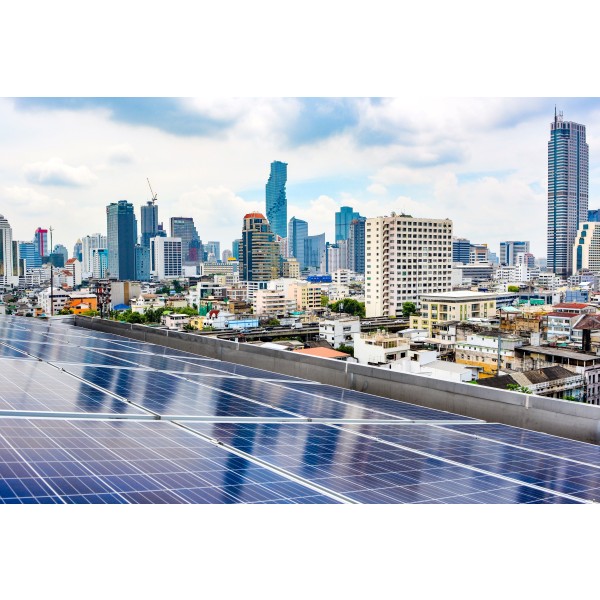
Solar power generation / Energy-saving related business / Renewable energy business
ITC ENEX (THAILAND) CO., LTD. is a Thailand-based company providing sustainable solutions in the energy sector. Leveraging the extensive technology and experience of its parent company, Japan's ENEX G ...