


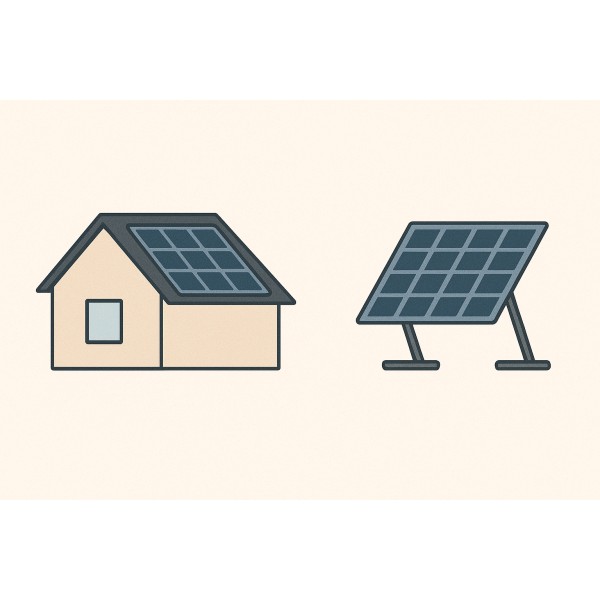
Rooftop vs. Ground-Mounted Solar Systems|Differences and Design Considerations
The location of a solar power system significantly affects energy output, installation cost, and maintenance accessibility. This guide explains the advantages and technical considerations of both rooftop and ground-mounted systems.
Types of Solar Power Installations
There are two main types of installations for solar power systems:
Rooftop Installations: Modules are mounted on building rooftops, making effective use of existing space and allowing easy integration with the building's power supply.
Ground-Mounted Installations: Racks are constructed on vacant or unused land, offering high flexibility and scalability.
While both setups produce similar energy output, they differ greatly in available area, sunlight conditions, racking design, maintenance access, and initial cost.
Features and Technical Requirements of Rooftop Installations
Ideal for self-consumption systems in factories, warehouses, shops, or public facilities.
Key Benefits:
No transmission loss; supports localized energy use
No need to acquire additional land
Often eligible for subsidies (varies by region)
Key Technical Requirements:
Check the roof structure strength (load and wind resistance)
Compatibility with roofing materials (tiles, sheet metal, etc.)
Waterproofing and mounting method inspection
Lightning protection and grounding
Secure access and work pathways
Older buildings may require structural reinforcement, making preliminary inspection essential.
Features and Design Considerations for Ground-Mounted Installations
Suited for idle land, repurposed farmland, or utility-scale solar farms.
Key Benefits:
Easy to optimize module angle and orientation
Better accessibility for maintenance and cleaning
Economies of scale in large systems
Key Considerations:
Increased civil engineering costs for site prep and rack foundations
Visual and glare impact on surroundings
Weed control and drainage planning
Security measures like fencing and surveillance
Also, installations must meet regional weather conditions like snow load and typhoon resistance.
Comparison Criteria and Selection Guidelines
The choice depends on multiple factors, including:
Usable space and solar angle optimization
Initial investment and payback period (ROI)
Usage model: self-consumption vs. grid sale
Ease of maintenance (e.g., cleaning, visual checks)
Legal and regulatory constraints (building code, farmland laws, etc.)
Rooftop installations are easier to connect to power but limited by space and structure, while ground systems offer flexibility but come with higher cost and permit complexity.
CONTACT
Contact FormCompany Information
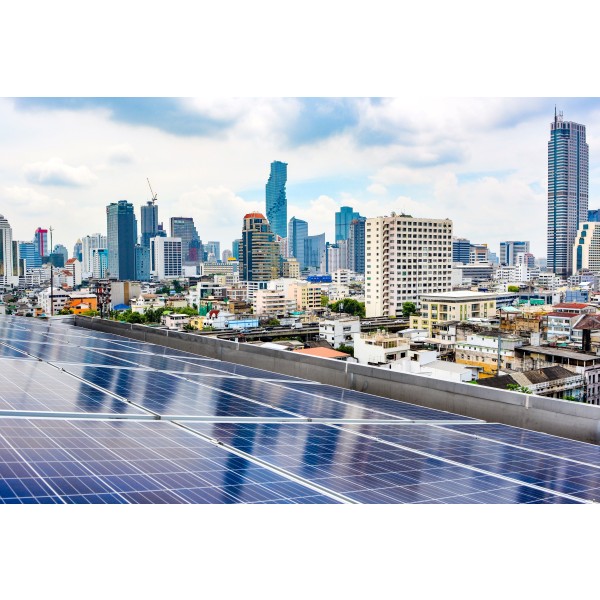
Solar power generation / Energy-saving related business / Renewable energy business
ITC ENEX (THAILAND) CO., LTD. is a Thailand-based company providing sustainable solutions in the energy sector. Leveraging the extensive technology and experience of its parent company, Japan's ENEX G ...