_8b61f9d7-8c67-4be0-948a-f747539ca760.png)
SERVICES
Technology & Services
[For the Semiconductor Industry] High-Precision Plastic Parts | Meeting micron-level precision requirements through machining in Thailand
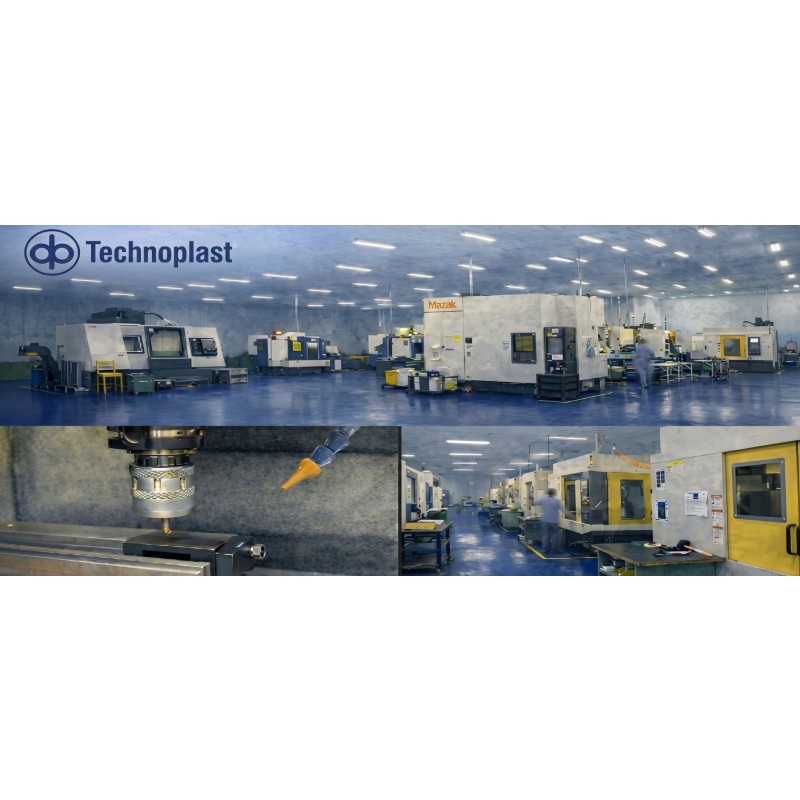
Technoplast (Thailand) Co., Ltd. provides precision resin machining and CNC machining services for the semiconductor industry in Thailand.
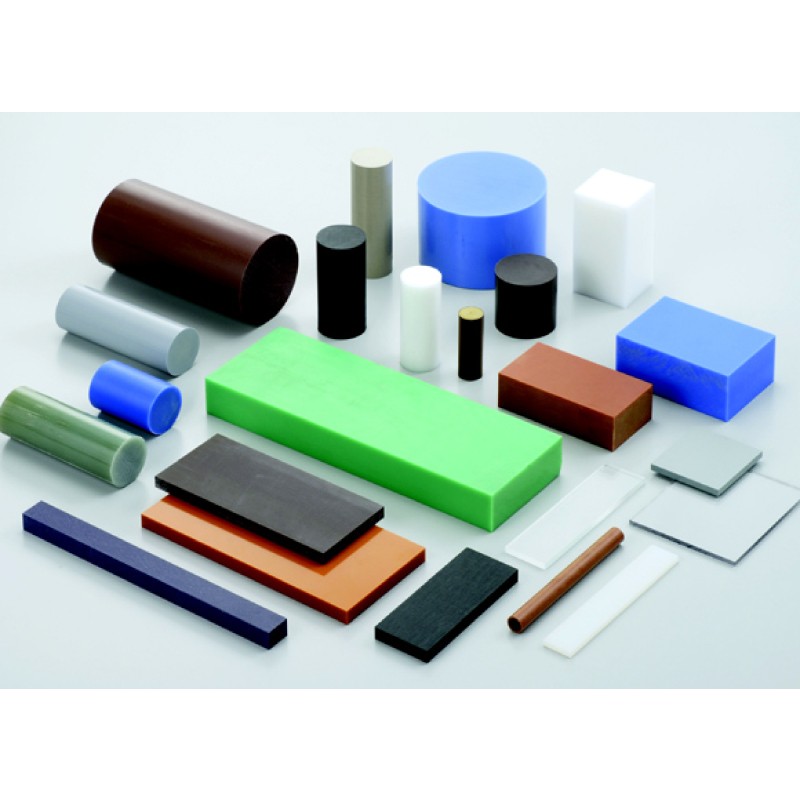
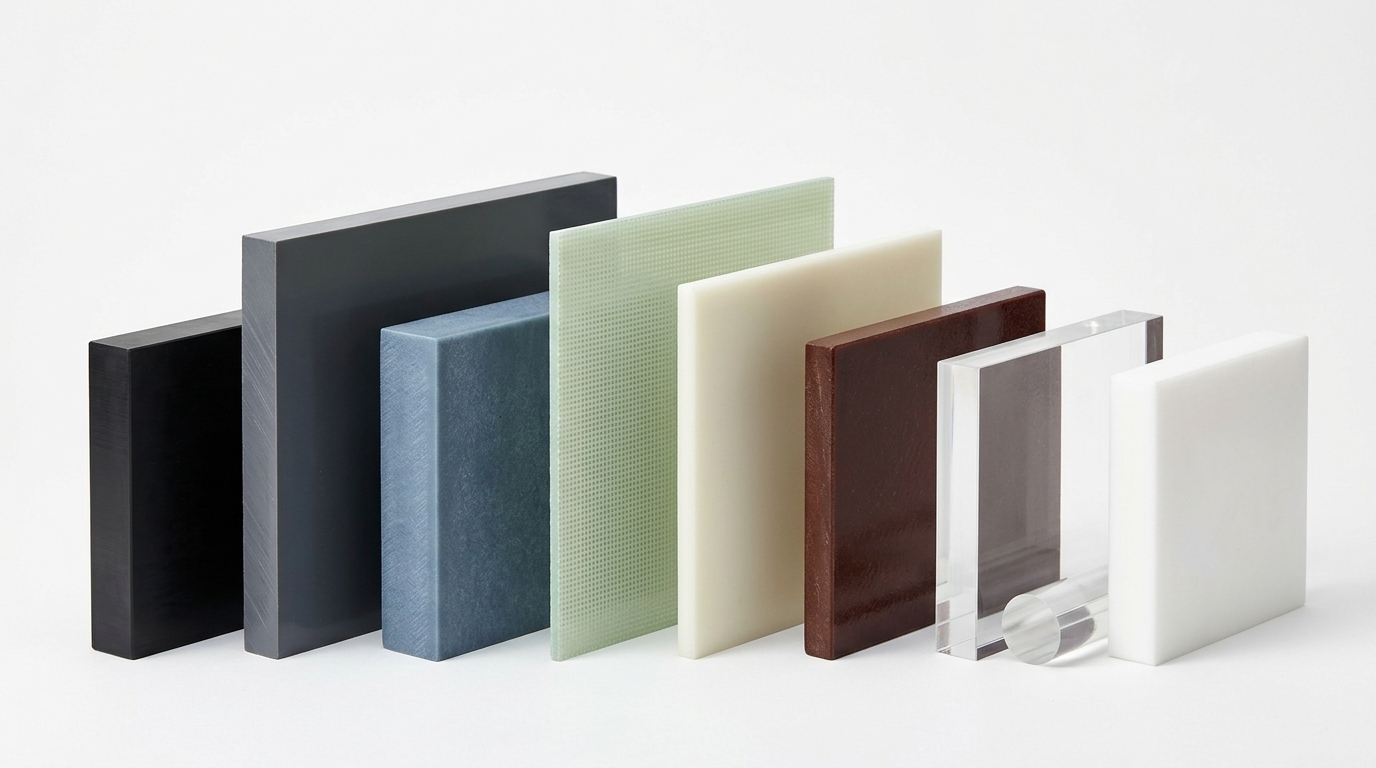
We support resin materials such as epoxy glass and PEEK, and perform high-precision resin parts machining according to the application and drawing specifications, from a single prototype to mass production.
Table of Contents
- Why Choose Technoplast (Thailand) Co., Ltd. for Quality Control of Semiconductor Equipment
- Production Scope and Supported Engineering Plastic Materials
- Technical Reliability and Quality Control of Japanese Standard
- Seamless Communication and Prototype Production
- Frequently Asked Questions (FAQ)
■ Why Choose Technoplast (Thailand) Co., Ltd. for Quality Control of Semiconductor Equipment
Jigs and various fixtures used in semiconductor manufacturing processes require high dimensional stability. In particular, expansion and contraction of resin materials caused by temperature changes inside the factory can lead to variations in dimensional tolerances, making control of the processing environment important.
Technoplast controls the temperature inside its factory at 25°C (±2°C). This helps suppress thermal expansion and contraction of resin materials during processing and contributes to stable dimensional control.
In addition, annealing treatment is performed as needed to reduce residual stress generated inside the resin during the primary processing stage. This helps reduce the risk of warpage, distortion after processing, and dimensional changes over time.
Through this processing environment and heat treatment technology, we achieve dimensional control in accordance with specifications and contribute to reducing the risk of line stoppages and improving the measurement reliability of inspection equipment.
■ Production Scope and Supported Engineering Plastic Materials
Resin parts used in semiconductor equipment and medical devices require the capability to handle various grades of materials, as well as equipment and technology capable of processing everything from micro parts to large plates.
Technoplast performs flexible resin processing without the use of molds through machining directly from plate materials and round bars. We support tolerances of ±0.05 mm and, depending on the product shape and processing conditions, dimensional control as precise as ±0.03 mm is also possible.
Technical Specification and Production Capability Table
Inspection Item | Details and Technical Capabilities |
Main Plastic Materials | PEEK, PTFE (Teflon), UNILATE, POM, MC Nylon, Bakelite, Epoxy Glass (FR-4) |
Supported Dimensions | From finger-sized micro-components up to large sheets with maximum cutting sizes of 100 × 1,000 × 2,000 mm |
Machining Tolerance | Tolerance of ±0.05 mm. Depending on the product shape and processing conditions, we can support tolerances as precise as ±0.03 mm. |
Minimum Order Quantity (MOQ) | From 1 piece (Supports prototypes and low-volume production runs) |
Machining Methods | Precision CNC Machining, Milling, CNC Turning, Sheet Cutting |
Mold Requirements | No molds required (Shortens preparation lead times and eliminates initial tooling costs) |
■ Technical Reliability and Quality Control of Japanese Standard
For resin parts used in semiconductor equipment, not only precision processing equipment but also a stable quality control system is important. Technoplast reflects the know-how and quality standards for precision resin machining that its Japanese headquarters has cultivated over more than 55 years in its local manufacturing and inspection system.
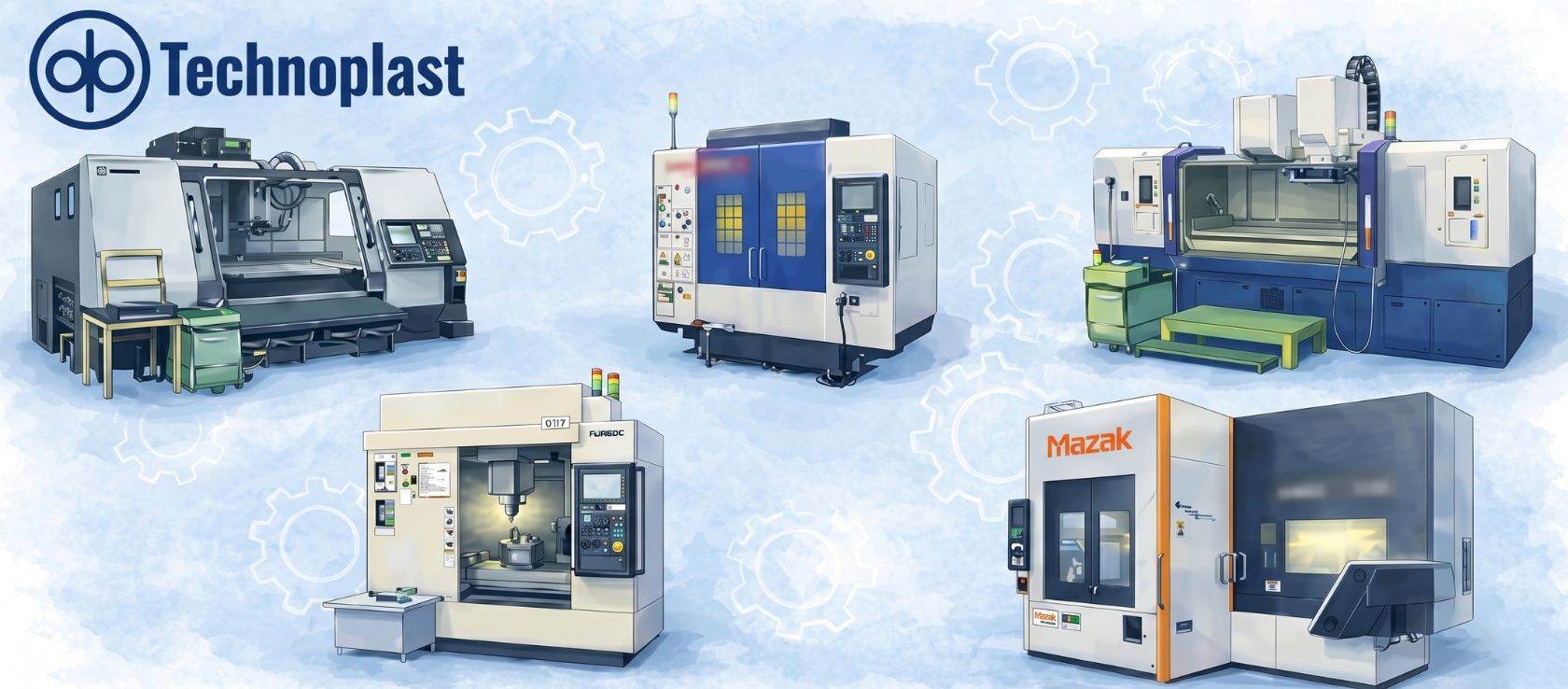
In the machining process, we use machining centers from FANUC, BROTHER, Mazak, and various CNC equipment to perform precision machining according to drawing specifications.
In addition, before machining, annealing treatment is performed using an ESPEC hot-air drying oven to reduce residual stress inside the resin and help suppress dimensional changes and warpage after machining.
For product inspection, dimensional measurement is carried out in a dedicated inspection room using an ACCRETECH coordinate measuring machine and a KEYENCE image dimension measuring system. Dimensional inspection reports can be issued as needed, and we also support quality control and traceability assurance.
By establishing a system that can complete the process from machining to inspection within Thailand, we also contribute to reducing transportation costs and lead time associated with return inspections in Japan.
※For more details, please download the attached materials or contact us via the form below.
■ Seamless Communication and Prototype Production
In the development of new models, challenges may arise, such as differences in understanding during specification confirmation or drawing interpretation, as well as the lead time required for initial sample production.
Technoplast has Japanese engineers stationed on site and supports specification confirmation and technical consultations locally in Thailand while working together with the SALES team. By accurately confirming the drawing details and required specifications, we help prevent differences in understanding and support a smooth project launch.
We support the process from prototyping to the transition to mass production while considering the balance between function and cost, such as preventing scratches on sliding parts, extending the service life of parts, and avoiding cost increases caused by over-specification.
■ Frequently Asked Questions (FAQ)
Q1: Before shipment, how are the dimensions and accuracy of precision machined products inspected?
A1: At Technoplast, dimensional inspections are carried out in a temperature-controlled measuring room using ACCRETECH coordinate measuring machines and KEYENCE image dimension measuring systems. As needed, we can also issue dimensional inspection reports that record various measurement results and ensure traceability.
Q2 : How do you control warping and maintain dimensional stability in materials like POM or Nylon that expand and contract under temperature changes?
A2 : We use ESPEC hot air ovens for annealing to relieve residual stress caused by machining. Additionally, our factory environment is kept under a constant temperature of 25°C (±2°C) to achieve maximum dimensional stability.
Q3 : If we want to reduce costs for expensive plastic parts like PEEK, what technical suggestions do you offer?
A3 : Our team analyzes your operating conditions, such as temperature and chemical exposure. If temperatures do not exceed 200°C, we propose substituting PEEK with PPS, which is approximately 4 times cheaper, or using high-hardness "Unilate" sheets for friction points, offering practical cost-savings for your procurement team.
※For more details, please download the attached materials or contact us via the form below.
Company Information
Industrial machinery / Electronic parts
PEEK / PTFE / POM
Our company performs plastic cutting processes such as machining in our own factory, specializing in high-precision, small-lot, multi-product manufacturing. With over 50 years of history and experienc ...
PICKUP
Technology & Services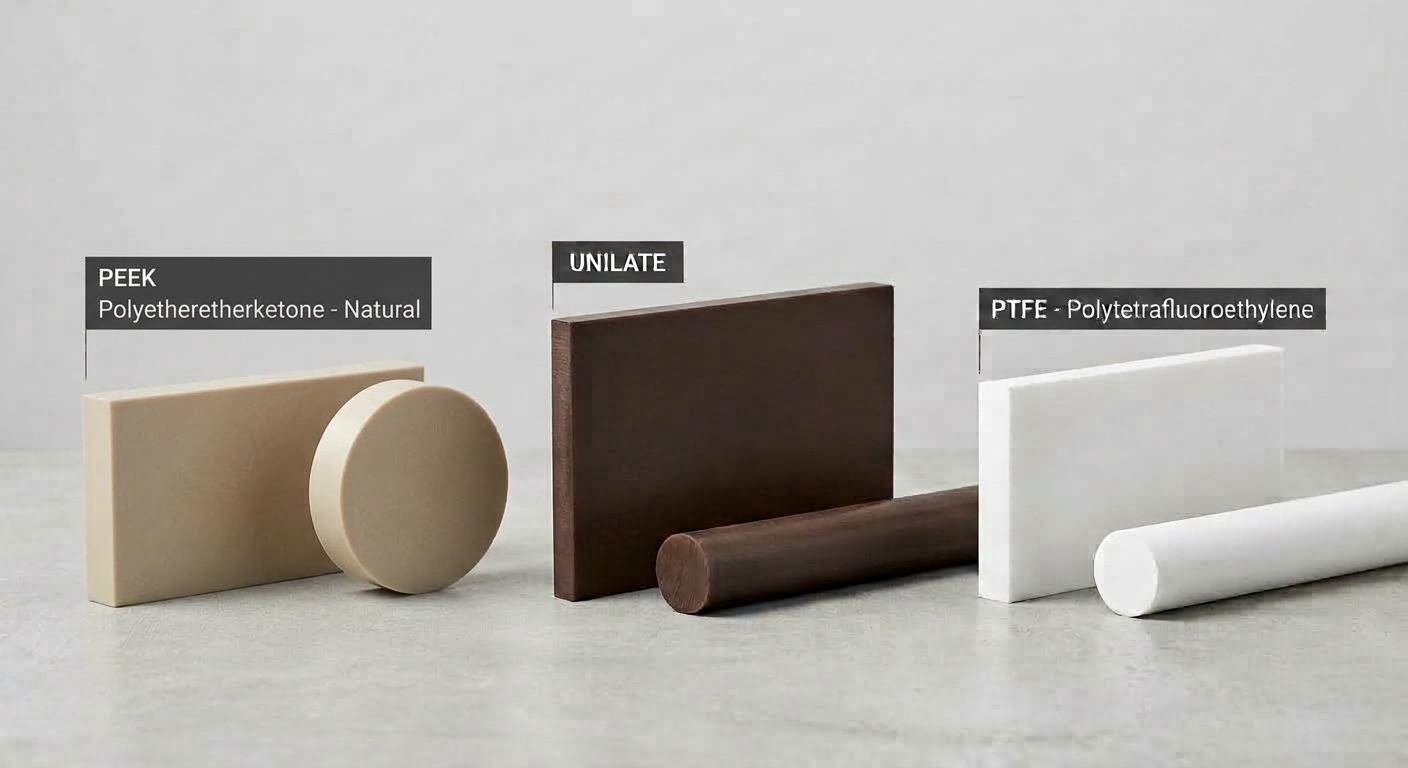
CONTACT
Contact