
SERVICES
Technology & Services
【On-site Repair in Thailand】 FRP Lining Repair and Pinhole Inspection for Large Electrodes used in Electroplating | Reducing Repair Costs to Approx. 60–70% Compared to Returning to Japan
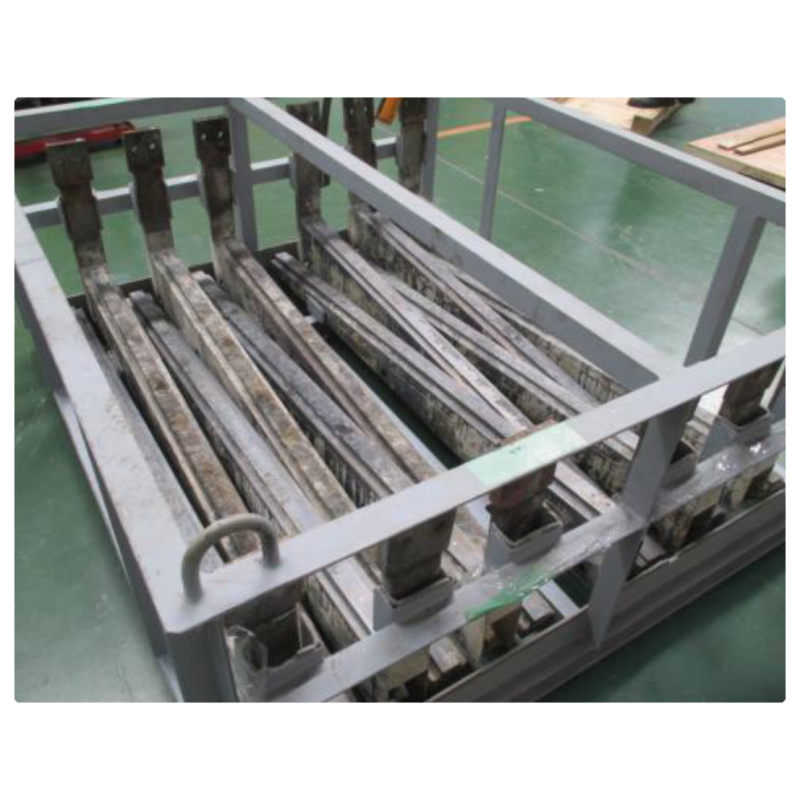
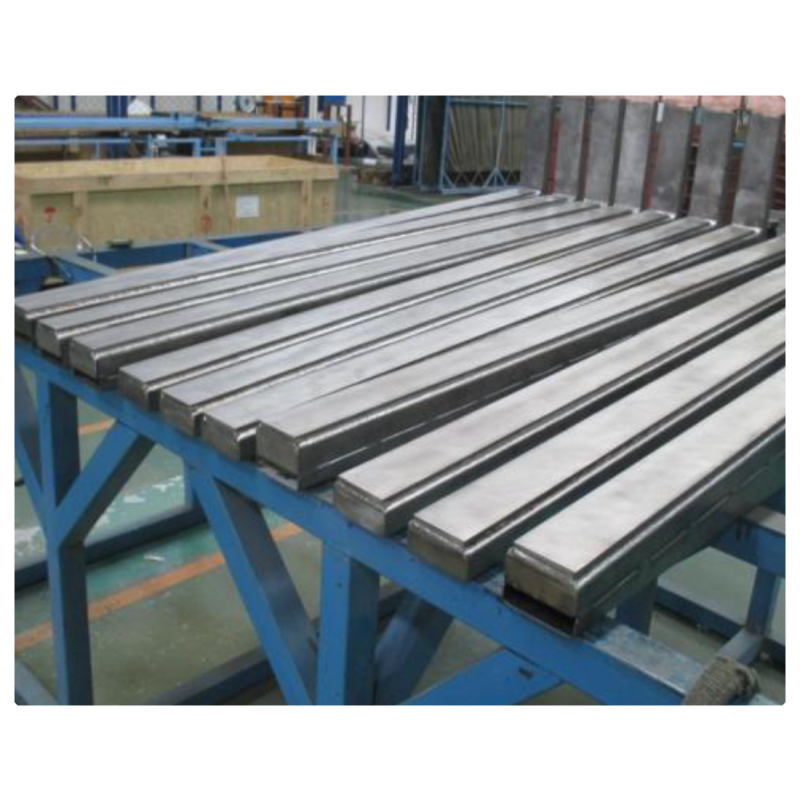
SPF (THAILAND) CO., LTD. offers repair and refurbishment services for large lead electrodes used in electroplating at our Chonburi factory in Thailand. We support lead and lead-tin alloy electrodes, and accept consultations for repair starting from a single unit. Compared to returning electrodes to Japan for repair, collecting, repairing, and renewing them locally within Thailand reduces international transportation costs and lead times while making effective use of existing electrodes. By combining FRP lining repair, lead discharge surface renewal, pinhole inspection, and ultrasonic thickness measurement, we contribute to the stable operation of plating lines and reduction of maintenance expenses
Table of Contents
- Benefits of On-site Electrode Renewal in Thailand and Transportation Cost Reduction Effects
- Monolithic Layering Technology to Prevent Internal Corrosion from Liquid Penetration and FRP Lining Repair
- Specifications for Large Electrode Repair and Utilization of Duty Drawback Scheme
- Quality Assurance System via Ultrasonic Thickness Measurement and 100% Color Check Inspection
- Troubleshooting and Replacement Solutions Based on Defect Analysis of Other Manufacturers' Electrodes
- FAQ
■ Benefits of On-site Electrode Renewal in Thailand and Transportation Cost Reduction
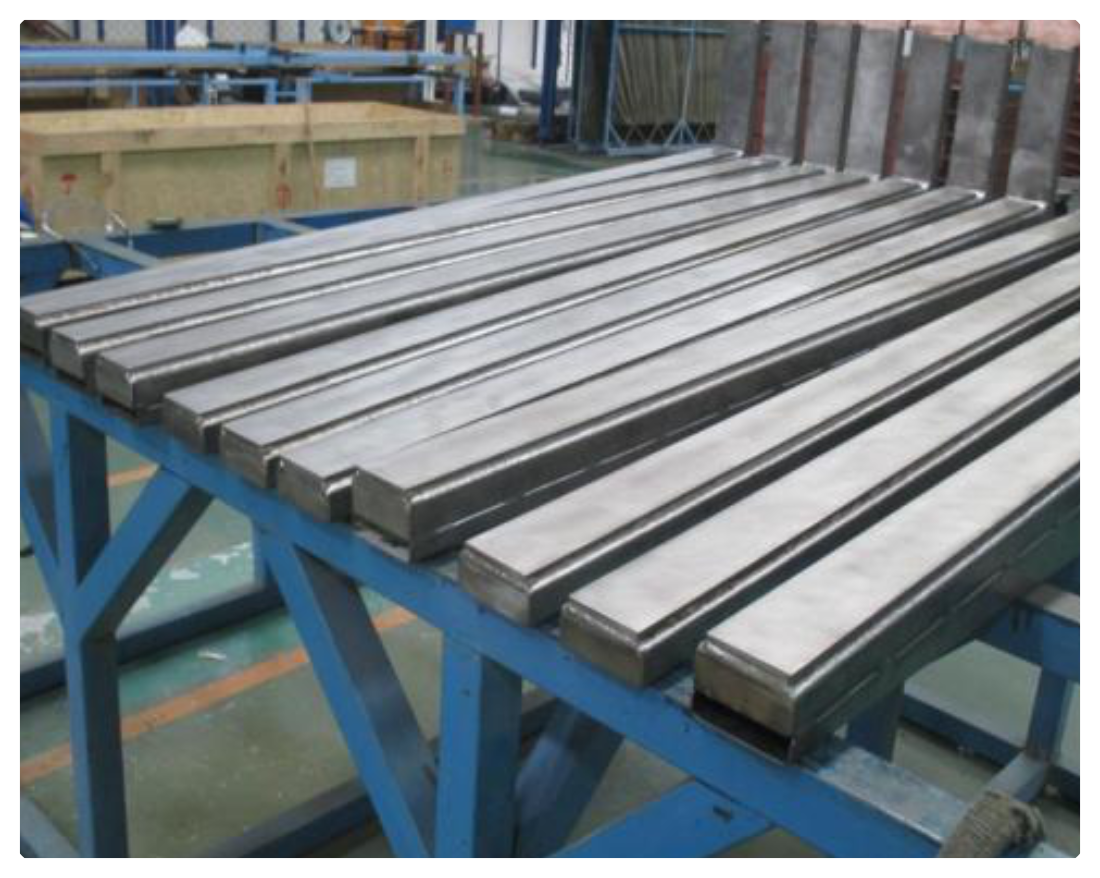
Effects Large lead electrodes used in continuous steel electroplating lines in Southeast Asia gradually wear down on their lead surfaces as operations continue. If worn electrodes are returned to Japan for maintenance, high international transportation costs are incurred, and the long transport lead time requires customers to maintain a larger inventory of spare electrodes. SPF (THAILAND) CO., LTD. has electrode collection and refurbishment equipment at our Chonburi plant in Thailand, allowing us to receive repair requests directly from customers in Thailand and surrounding countries. By scraping off the deteriorated lead surface, layering new lead to rebuild it to a like-new condition, and returning it to the customer, we complete the cycle entirely within Thailand. This reduces costs to approximately 60–70% compared to returning the product to Japan, and cuts costs by roughly half compared to purchasing a brand-new electrode.
■ Monolithic Layering Technology to Prevent Internal Corrosion from Liquid Penetration and FRP Lining Repair
The lead discharge surface of an electrode oxidizes through continuous use, generating lead dioxide on its surface which flakes off and reduces the thickness of the lead. If a simple repair method of merely welding new lead over the deteriorated lead is used, minute gaps (mil-feuille-like interfaces) easily form between the old and new lead. Plating solution can penetrate these gaps, leading to cracks or peeling of the lead sheet. At our company, we mechanically remove the deteriorated discharge surface and then apply overlay welding technology to integrate the new lead while appropriately melting the underlying lead layer. By finishing the electrode into a monolithic structure that suppresses the interface easily formed between old and new lead layers, we reduce the risk of internal corrosion, cracks, and lead layer peeling caused by plating solution penetration. In addition, we check the condition of any deteriorated parts of the FRP lining that covers the outer perimeter of the electrode and perform repair and re-coating. This contributes to improving the durability of the electrode and maintaining stable electrical conductivity, even in harsh operating environments such as tin plating tanks or chromium plating tanks.
■ Specifications for Large Electrode Repair and Utilization of Duty Drawback Scheme
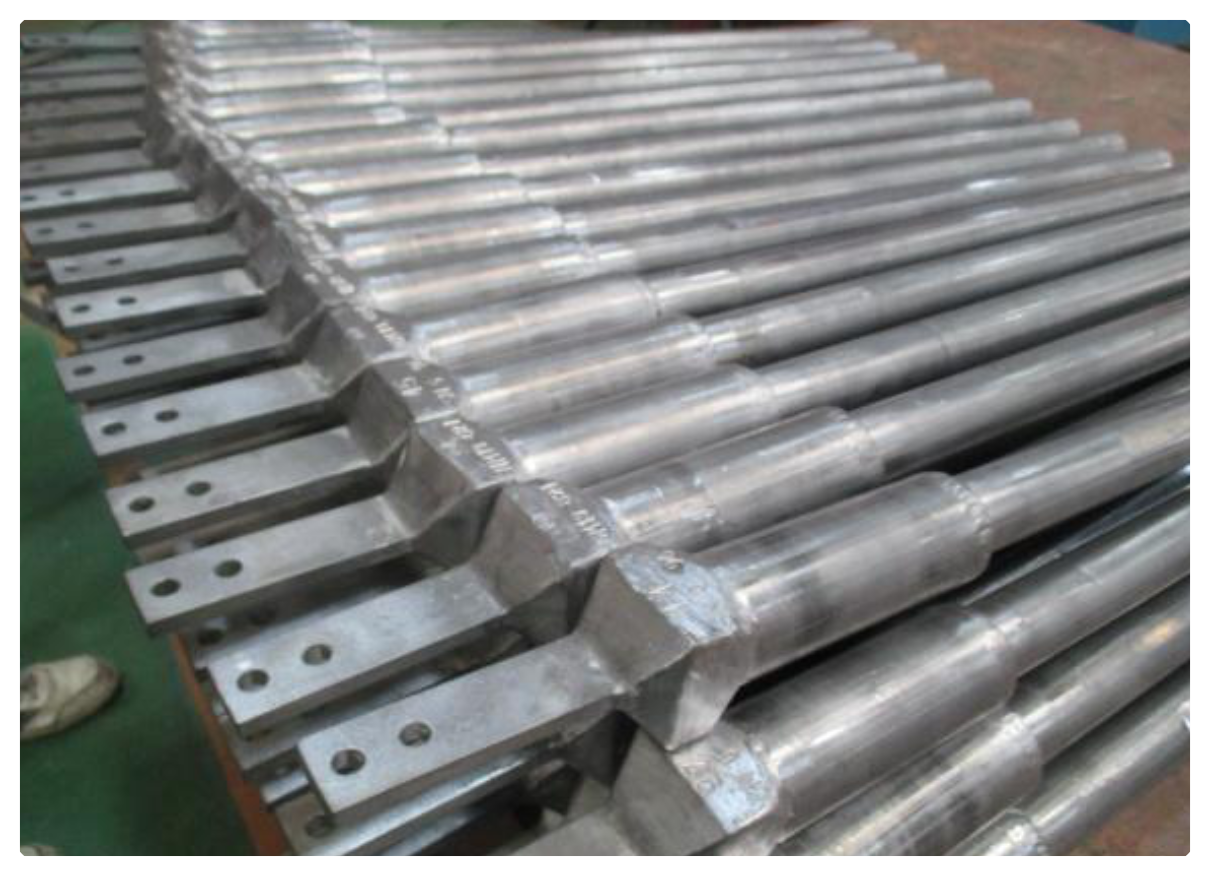
We support large electrodes used in high-speed continuous electroplating lines for processing steel sheets with thicknesses of 0.2 to 0.35 mm and widths exceeding 1 m, which are used as materials for food cans and bottle crowns. We perform on-site design and processing for custom-made repairs based on individual customer designs, as well as adjustments to interface points to fit electrode structures designed by other manufacturers. In addition to serving domestic customers in Thailand, we also provide a temporary import repair process utilizing a duty drawback scheme based on re-exportation conditions for steel manufacturers in other Southeast Asian countries, such as the Philippines, Vietnam, Malaysia, and Indonesia. This minimizes the customs duty burden during round-trip transportation outside Thailand, establishing a repair logistics system that keeps total costs to approximately 70–80% compared to sending the products back to Japan.
■ Supported Specifications Table
Parameter | Description / Conditions |
Applicable Products | Large Lead-Tin Anodes for Continuous Steel Plating Lines |
Materials | Lead (Pb), Tin (Sn), and various alloys |
Treated Sheet Thickness | 0.2 mm to 0.35 mm |
Treated Sheet Width | Exceeding 1 m |
Optimal Refurbishment Timing | Remaining lead thickness of 8 mm to 10 mm (prior to core exposure) |
Minimum Order Quantity | Accepted from 1 unit |
■ Quality Assurance System via Ultrasonic Thickness Measurement and 100% Color Check Inspection
If invisible, microscopic pinholes remain at the junction between copper and steel, or at lead-clad sections, the plating solution will penetrate into the core material by capillary action. This severely corrodes the base material, causing electrical conduction failures or sudden premature electrode failure. To scientifically measure the exact remaining amount of lead, our company conducts non-destructive testing using ultrasonic thickness gauges. We determine the exact remaining thickness from the reflection speed of sound waves, and propose appropriate overlay repair quantities and estimates based on the remaining lead data. Furthermore, after completing the layering and machining processes, we conduct a dye penetrant test (color check) on 100% of the electrode surfaces and the FRP lining boundaries to visually inspect for any micro-pores (pinholes) or cracks, eliminating liquid penetration risks before shipping.
■ Main Equipment and Testing Instruments
Equipment Name | Specifications / Applications |
Ultrasonic Thickness Gauge | Non-destructive thickness mapping of lead and cladding layers |
Dye Penetrant Testing Kits | Comprehensive micro-crack and pin-hole visual inspections |
※For more details, please download the attached materials or contact us via the form below.
■ Troubleshooting and Replacement Solutions
Based on Defect Analysis of Other Manufacturers' Electrodes When problems such as "extremely short lifespan of electrodes manufactured by other companies" or "corrosion inside due to peeling FRP" occur in a plating plant, customers can bring the defective products directly to our Chonburi factory to disassemble them and inspect their internal structures. After identifying that the cause is incomplete pinhole treatment at the junction or liquid penetration due to peeling lead interfaces, we will propose repair (refurbishment to like-new condition) using our monolithic layering technology and new FRP coating if the core material is sound. If the core material itself has dissolved, we will completely trace the original interface dimensions and design a new replacement electrode with higher durability, which we will manufacture in Thailand and deliver to the customer.
■ Frequently Asked Questions (FAQ)
Q1: Can I request an estimate or consult about repairs for an electrode manufactured by another company if I do not have drawings or detailed original specifications?
A1: Yes, even if you do not have drawings, we can receive the physical product, directly measure the dimensions and interface shapes at our factory in Thailand, and determine the specifications. We will propose an appropriate maintenance plan and estimate as an individual custom-made design.
Q2: If we request repair services from outside Thailand, such as from Vietnam or Malaysia, what will the customs procedures and costs associated with temporary import be?
A2: Our company is highly experienced in logistics management and procedures using the duty drawback scheme based on re-exportation conditions. We provide full support to ensure smooth procedures, allowing customers outside Thailand to use our local repair services without double taxation.
Q3: Is there an optimal timing for requesting electrode repair (refurbishment)?
A3: We strongly recommend performing refurbishment at the stage where the remaining thickness of the lead is 8 to 10 mm, before the lead discharge surface wears down to the inner core material (iron or copper). If the core material itself becomes exposed and dissolves, the expensive copper core or steel structure cannot be reused, requiring new manufacturing and increasing cost burdens.
※For more details, please download the attached materials or contact us via the form below.
Company Information

Maintenance of electroplating machinery / Maintenance of surface treatment equipment
SPF (THAILAND) CO., LTD. is a technical service provider specializing in electroplating components and metal processing solutions. We focus on the manufacturing, repair, and maintenance of electrode-r ...
CATALOG
Related Catalogs
PICKUP
Technology & Services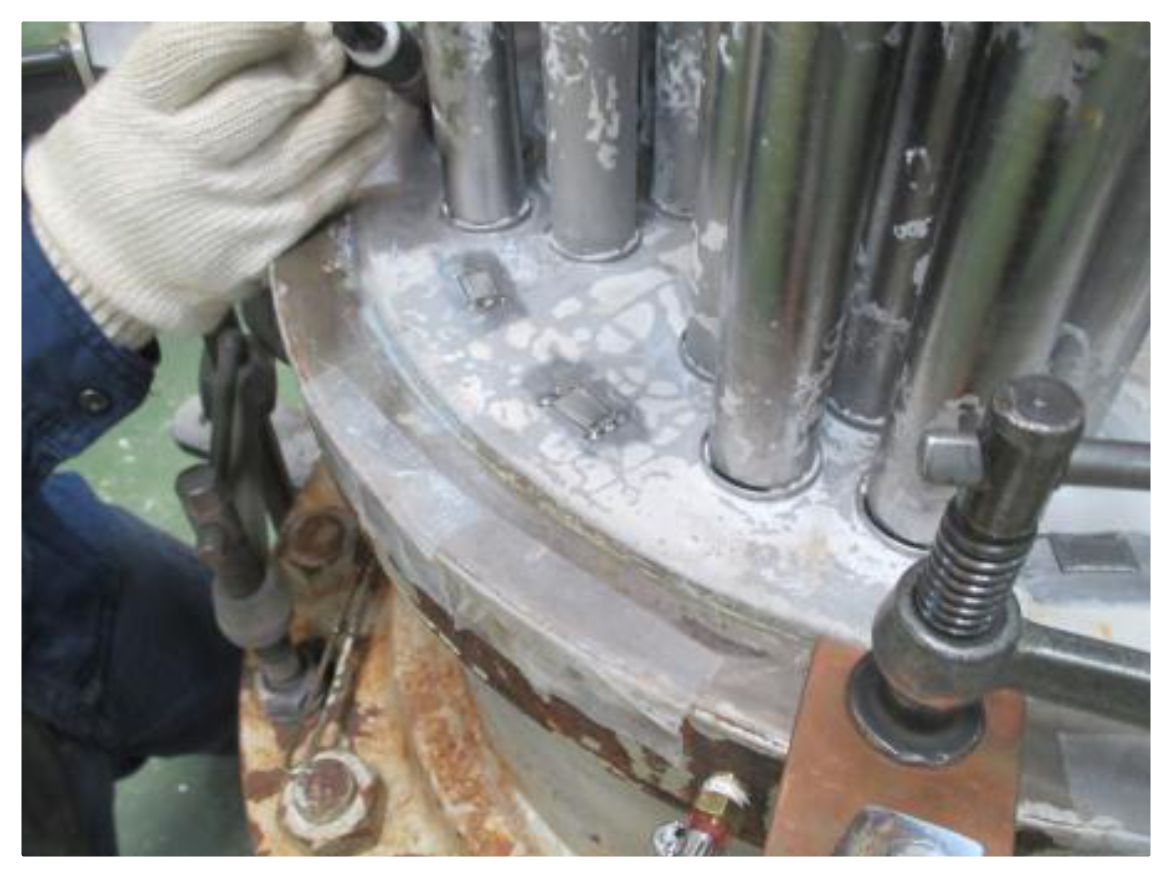
CONTACT
Contact