
SERVICES
Technology & Services
Special Metal (Ti, Zr, Nb, Ta) Processing and Welding | Fabrication of Chemical Equipment Resistant to Harsh Corrosive Environments
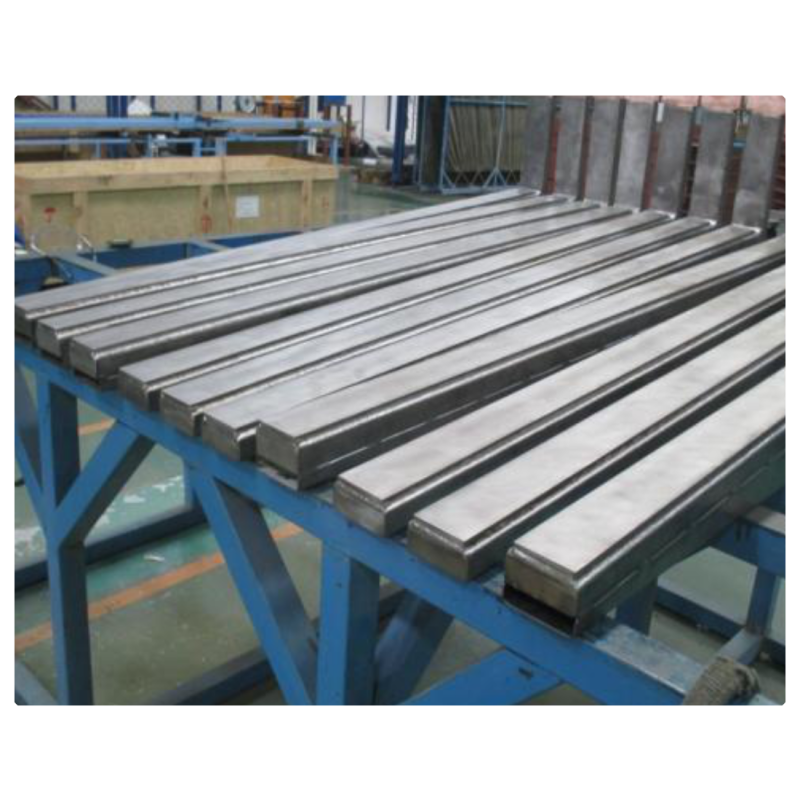
SPF (THAILAND) CO., LTD. imports, sells, and provides engineering consulting services in Thailand and the ASEAN region for chemical equipment and electrodes made of special metals (titanium, zirconium, niobium, and tantalum) that withstand extremely corrosive environments. Based on the advanced welding and processing technologies of our Japanese headquarters, we propose reliable engineering designs to extend equipment service life.
Table of Contents
- Advanced Welding Technology Required for Processing Reactive Metals
- Manufacturing and Quality Control of Special Metal Products by Our Japanese Headquarters
- Cost-Reducing Sun-Z-R Cladding Technology
- Supported Products for Chemical Plants and Surface Treatment Equipment
- Replacement Proposals for Welding Cracks and Delamination Failures
- Frequently Asked Questions (FAQ)
■ Advanced Welding Technology Required for Processing Reactive Metals
Special metals such as titanium, zirconium, niobium, and tantalum exhibit excellent durability under specific corrosive environments. On the other hand, these metals are classified as "reactive metals" or "difficult-to-machine materials," requiring advanced expertise and high-precision techniques for processing and welding.
During welding, in particular, heated metals react highly with oxygen and nitrogen in the atmosphere, posing a significant risk of "embrittlement" at the weld zones. Special metal equipment welded using inappropriate methods suffers from reduced mechanical strength and micro-cracks, which can lead to critical failures such as chemical leakage after starting operation.
At our company, we understand these material characteristics deeply. We manage welding processes to prevent atmospheric contact and carefully account for work hardening during cutting and bending when creating specifications. Through this careful specification selection, we support the successful integration of chemical equipment that remains highly stable even under high temperatures, strong acids, vibrations, or heavy pressure loads.
■ Manufacturing and Quality Control of Special Metal Products by Our Japanese Headquarters
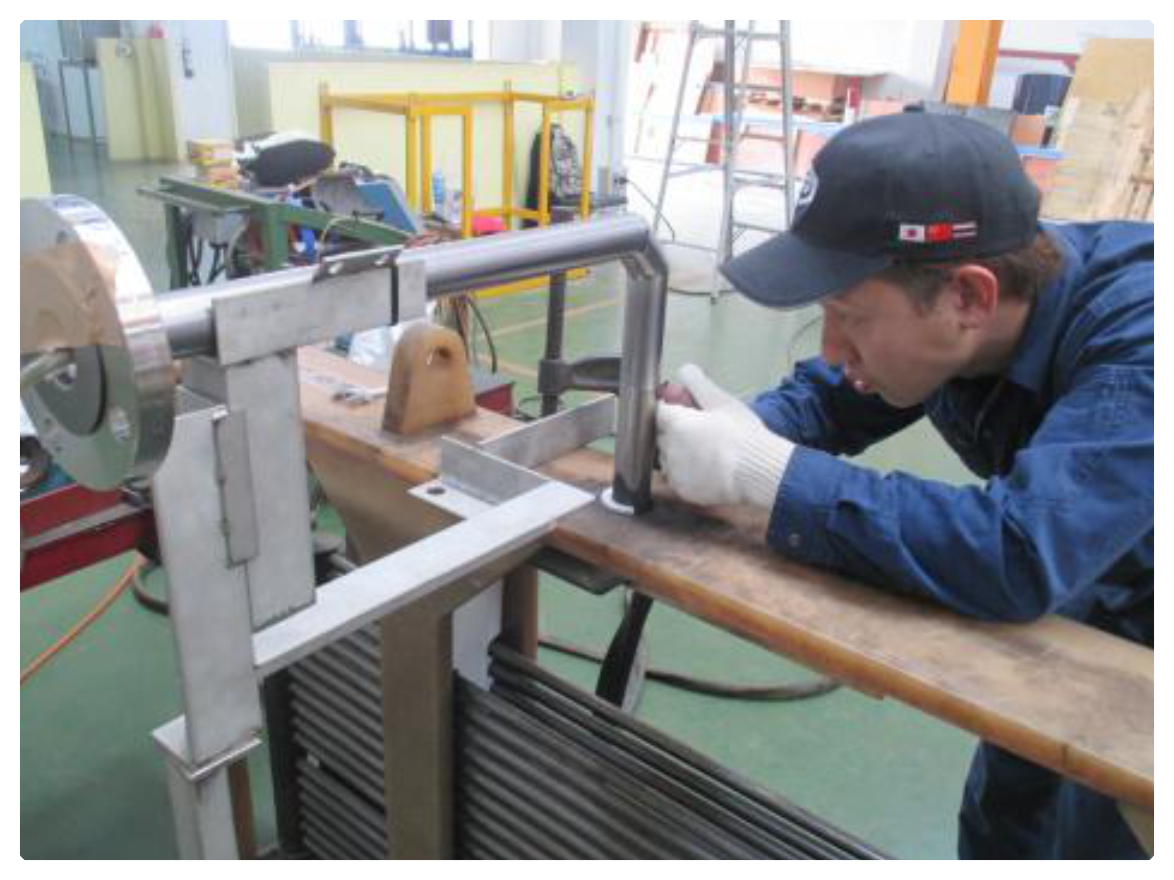
When welding special metals, it is critical to protect the weld metal and the heat-affected zone (HAZ) using inert gas shielding—primarily argon gas—to minimize contact with the surrounding air. To accomplish this, specialized welding fixtures, back-shielding techniques, and stringent quality control standards to verify the oxidation state of the welds are indispensable. General steel fabrication shops or universal metal processors in Thailand often struggle to maintain such dedicated manufacturing environments and rigorous quality management systems.
For this reason, the special metal electrodes and corrosion-resistant chemical equipment we distribute are designed and manufactured at our Japanese headquarters, which has extensive experience in machining difficult materials and possesses dedicated processing equipment. In a highly controlled factory environment, skilled welders specializing in exotic alloys weld and inspect each unit individually to minimize welding defect risks.
This allows chemical plants in Thailand and the ASEAN region to install highly reliable equipment backed by the specialized craftsmanship of our Japanese operations.
■ Cost-Reducing Sun-Z-R Cladding Technology
When adopting special metals to enhance corrosion resistance, raw material costs present a significant challenge. Materials such as titanium, tantalum, and zirconium are highly expensive; constructing entire chemical vessels out of thick solid metal sheets drastically increases initial capital expenditure.
To address this economic barrier, we utilize "Sun-Z-R cladding technology," a proprietary bonding method developed by our Japanese headquarters that clad-joins thin sheets of special metals directly onto a steel substrate.
Load-bearing structural components are built from robust steel, while the inner surfaces or contact faces exposed to chemicals and corrosive liquids are clad or lined with the required thickness of special metals. This approach minimizes the total volume of expensive alloys used while perfectly balancing corrosion resistance and structural integrity.
Our Sun-Z-R cladding technology significantly lowers equipment investment costs and substantially extends the service life of chemical equipment operating in aggressive, corrosive environments.
■ Supported Products for Chemical Plants and Surface Treatment Equipment
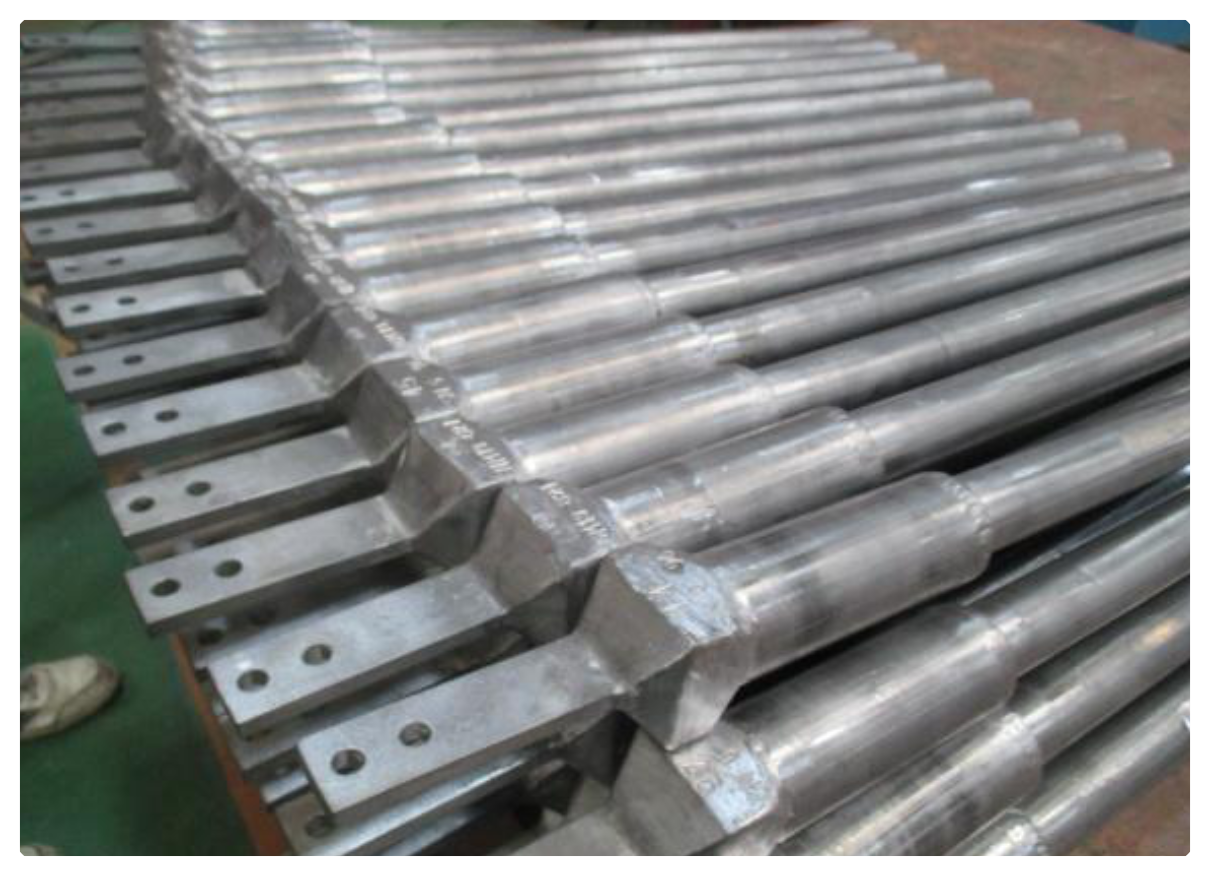
We support a wide array of customized special metal fabrications used in industrial chemical processes and surface treatment facilities. We provide custom-made design and manufacturing tailored to your exact operating temperatures, pressures, liquid compositions, and structural dimensions.
Specification / Target Metal Material Table
| Main Processing Examples / Product Structures | Mechanical Features |
Titanium (Ti) | Platinum (Pt)-coated electrodes, electrode baskets, submerged busbars, corrosion-resistant heat exchangers, piping, tanks, concentrators | Lightweight with excellent specific strength; excellent corrosion resistance and clad-processing workability |
Zirconium (Zr) | Heat exchangers for high-temperature strong-acid environments, chemical process vessels | Sun-Z-R clad bonding to iron; maintains excellent thermal conductivity and corrosion resistance |
Niobium (Nb) | Shielding members for special electrodes, high-electrical-conductivity composite parts | Integrated clad forming with dissimilar metals; extremely high melting point and electrochemical stability |
Tantalum (Ta) | Tubes for heat exchangers used in extreme environments, internal tank linings | Tantalum bonding method onto iron structures; extremely excellent ductility and ultra-high corrosion resistance |
※For more details, please download the attached materials or contact us via the form below.
■ Replacement Proposals for Welding Cracks and Delamination Failures
We are frequently consulted regarding failures in existing special metal equipment, such as leaks occurring near weld joints within a few months of startup, or thin liner sheets peeling off from clad components, leading to internal steel corrosion.
These structural defects are often caused by design or fabrication deficiencies, such as inadequate gas shielding during welding resulting in oxidation and nitridation, or insufficient stress relief to handle thermal expansion stresses.
Our engineering team analyzes damaged components manufactured by other companies to identify the root causes of failure and presents optimal replacement designs. By implementing stress-relieving structures and choosing the correct clad layout and exotic alloys for your specific chemistry, we help you upgrade to a durable configuration that prevents recurring failures.
Furthermore, we design replacements that integrate seamlessly with your existing piping layouts and footprint constraints, reducing modification costs while ensuring longer production life.
■ Frequently Asked Questions (FAQ)
Q1 : There are highly acidic, high-temperature environments where general alloys like stainless steel (SUS316L) cannot survive. What should we keep in mind when adopting a welded special metal structure?
A1 : Reactive metals such as titanium and tantalum become highly brittle if exposed to air during welding, leading to cracks under operational pressures or thermal cycles. Therefore, it is critical to avoid standard on-site field welding or fabrication in shops without clean environments and strict shielding gas controls. Our products are manufactured at our Japanese headquarters under strict quality control, utilizing a cleanroom environment and custom shield fixtures. This process minimizes the risk of fluid leakage due to weld embrittlement.
Q2 : Is there a risk of peeling or delamination in Sun-Z-R clad or lined special metal structures due to temperature variations?
A2 : When cladding or lining dissimilar metals, differences in thermal expansion coefficients can generate thermal stress and load the bond interface. Our Sun-Z-R cladding technology and lining methods are engineered to absorb these thermal stresses, incorporating stress-relieving layouts into the joint design. This ensures a stable structure with minimized peeling risks, even in environments with frequent heating and cooling cycles.
Q3 : How are design, manufacturing, logistics, and after-sales support managed for Thai clients?
A3 : During the engineering phase, Japanese engineers and local staff from SPF (THAILAND) CO., LTD. visit your plant or consult online to verify dimension tolerances and chemical exposure conditions. Next, our Japanese headquarters in Nagoya, Aichi, utilizes advanced processing and welding lines to manufacture the equipment or electrodes with high precision. Once finished, our Thai entity handles importation and BOI tax exemption paperwork to deliver the equipment directly to your site. For any post-delivery inquiries or support, our local sales and technical teams provide rapid site visits in coordination with Japan, ensuring dependable operation.
※For more details, please download the attached materials or contact us via the form below.
Company Information
Maintenance of electroplating machinery / Maintenance of surface treatment equipment
SPF (THAILAND) CO., LTD. is a technical service provider specializing in electroplating components and metal processing solutions. We focus on the manufacturing, repair, and maintenance of electrode-r ...
CATALOG
Related Catalogs
PICKUP
Technology & Services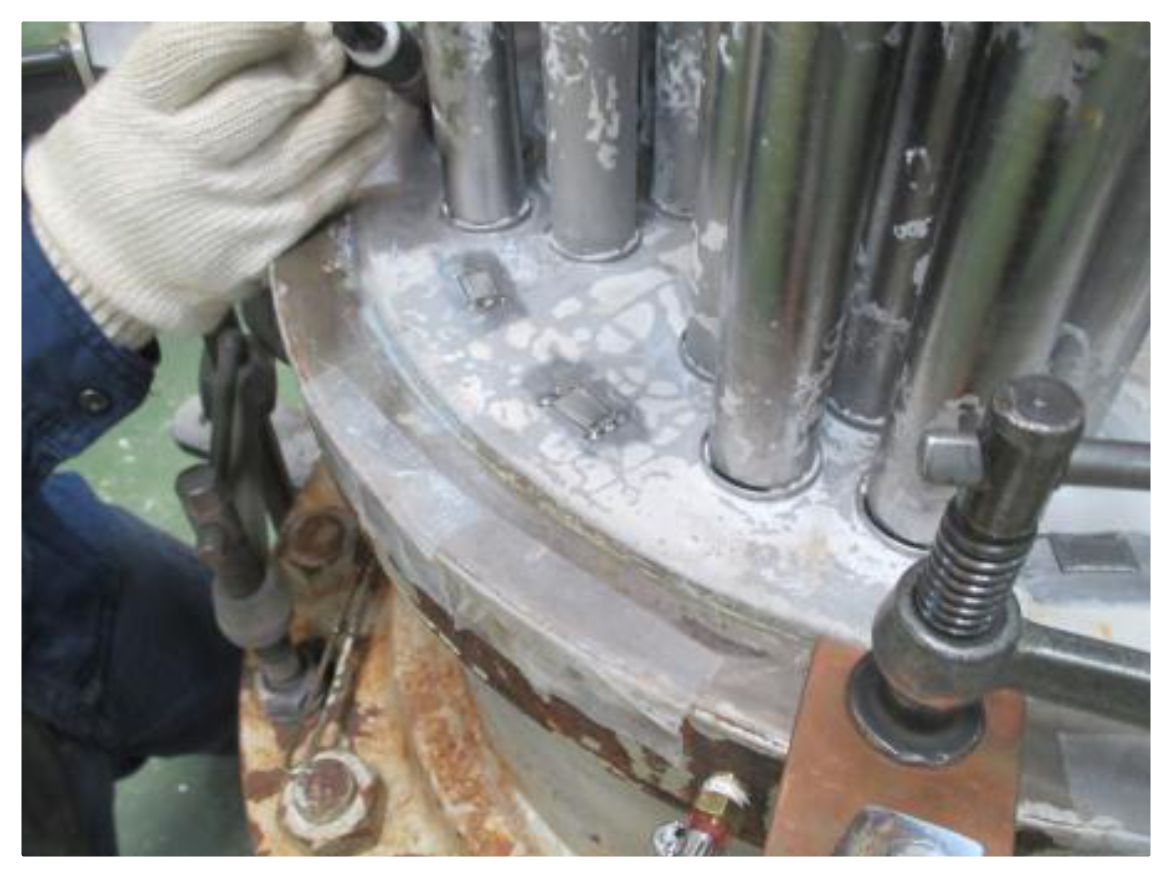
CONTACT
Contact