
SERVICES
Technology & Services
【Process Consolidation with Special Tools】Precision Machining of Difficult-to-Machine Materials in Thailand|Controlling Costs and Variations in Accuracy
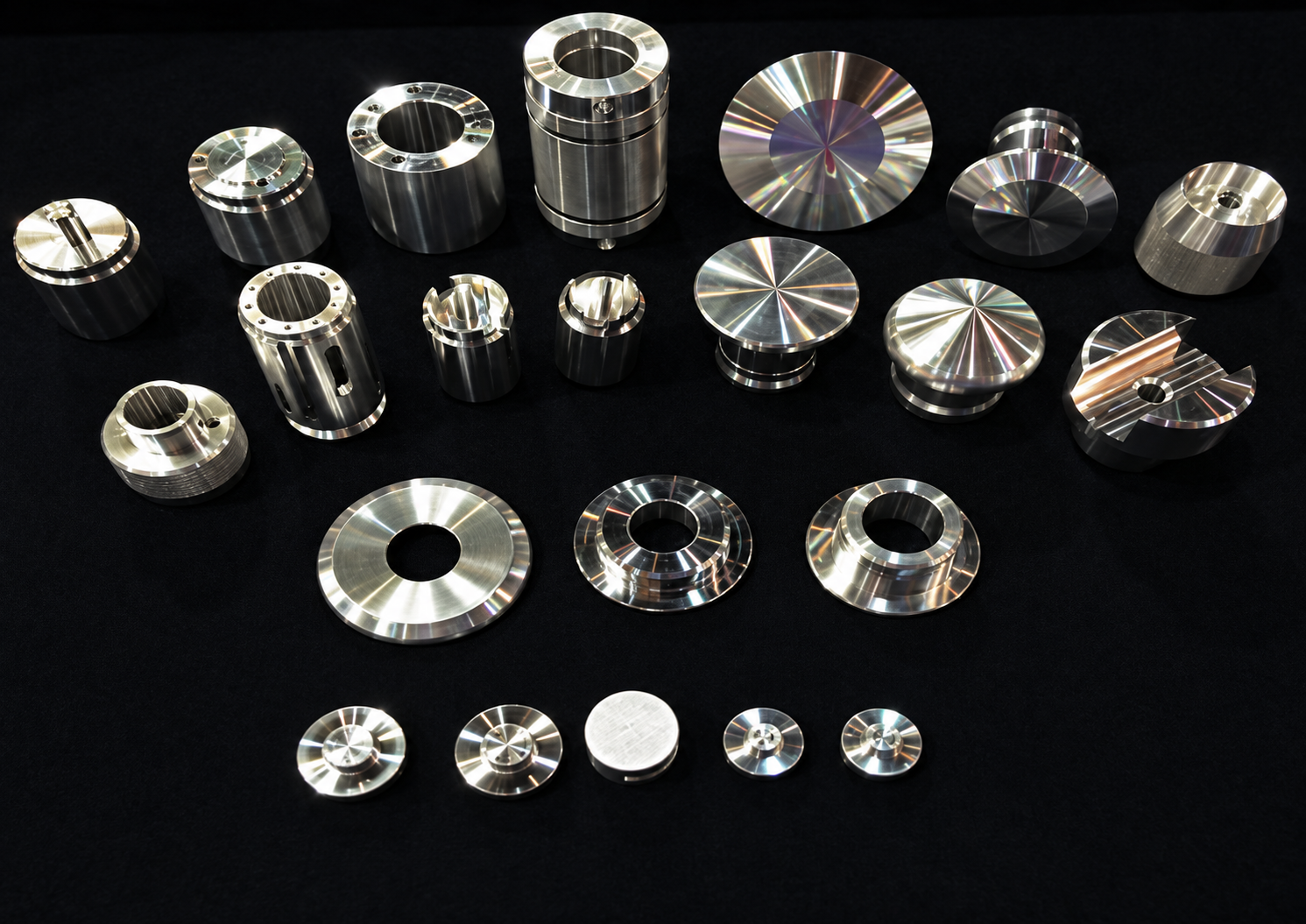
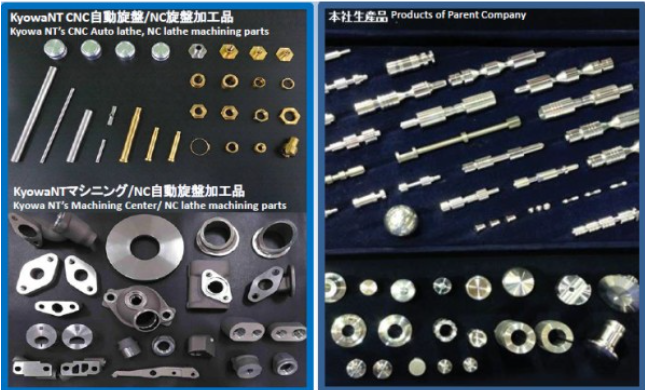
KYOWA NT (THAILAND) CO., LTD. provides precision cutting and machining in Thailand using CNC automatic lathes, NC lathes, and machining centers, and handles difficult-to-machine materials and parts with complex geometries.
When considering a machining method, the company does not simply carry over the existing process as-is. Instead, it reviews the process itself according to the part geometry, machining requirements, and production volume.
For geometries that require multiple machining steps with standard tools, the company can also utilize the special-tool design and manufacturing expertise of its Japanese group company. By consolidating multiple processes, it considers whether machining time, tool changes, and setup work can be reduced while improving both manufacturing cost and machining accuracy.
Contents
- Reviewing machining that requires multiple processes from the process-design stage
- Special tools designed to match part geometry
- Case study: consolidating three processes into one with a special tool
- The cost-effectiveness of special tools is not determined by production volume alone
- Reviewing the machining process based on drawings and production conditions
- FAQ
■ Reviewing machining that requires multiple processes from the process-design stage
The company handles precision machining of difficult-to-machine materials and parts with complex geometries. Materials it has experience machining include aluminum, stainless steel, iron, and brass.
After reviewing the drawing, the company first determines whether machining is feasible, and then designs the machining process based on factors such as part geometry, material, quantity, and required accuracy. At this stage, the focus is not simply on whether the part “can be machined.”
For parts that require multiple tools or processes, the company considers which equipment to use, in what sequence machining should be performed, and whether multiple machining operations can be combined into a single process.
However, reducing the number of processes is not an objective in itself. Depending on the machining conditions, separating processes may be more suitable for productivity, so the process configuration is determined according to each workpiece.
■ Special tools designed to match part geometry
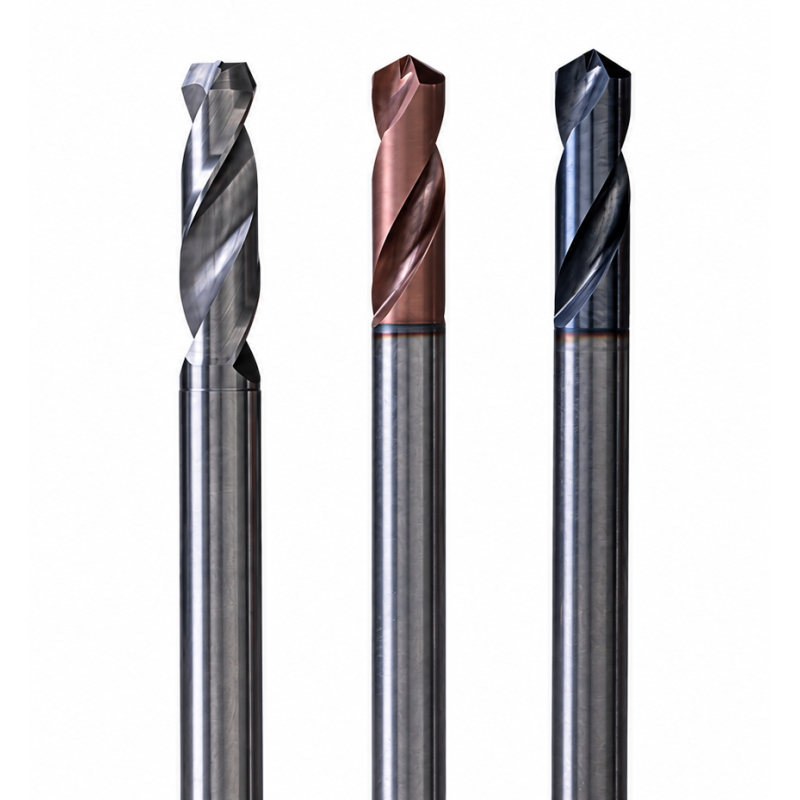
National Tool, a group company in Japan, designs and manufactures special cutting tools tailored to the geometry and intended use of the parts being machined.
Special tools are designed with tool geometries matched to specific machining areas for shapes and machining requirements that are difficult to handle with standard tools. At the Thailand factory, these special tools are incorporated into machining processes using CNC automatic lathes, NC lathes, and machining centers.
Because the tool itself can be designed to match the geometry of the part, machining methods can also be considered from the tooling side rather than being limited to standard tools alone.
■ Case study: consolidating three processes into one with a special tool
For machining a stepped hole, the conventional method used standard tools and divided the work into three processes. Because sections with different diameters and depths had to be machined separately, different tools were used for each process to produce the required geometry.
For this part, National Tool designed a special tool to match the geometry of the stepped hole. By incorporating the required geometries into a single tool, the machining that had previously been divided into three operations was consolidated into one process.
One of the first things reduced by consolidating the processes is tool changing. Previously, different tools had to be used in each of the three processes. If machining can be completed with a single special tool, tool changes between processes can be reduced and the machining flow can be simplified.
In addition, when machining is divided into multiple processes, the positional relationship between the tool and the workpiece must be aligned for each process. Machining the stepped geometry with a single special tool reduces the number of such alignment operations and can also reduce factors that may cause positional deviation between processes.
■ The cost-effectiveness of special tools is not determined by production volume alone
On the other hand, special tools involve the cost of designing and manufacturing dedicated tooling.
Therefore, using a special tool does not always reduce costs. The tooling cost must be compared with the benefits obtained through process consolidation. The main factors reviewed include production volume, the number of processes that can be consolidated, the machining time that can be reduced, required accuracy, and the cost of manufacturing the special tool.
For example, for a part with a high production volume where a special tool can substantially reduce machining time per part, the benefits may be easier to realize even when the cost of manufacturing the tool is included.
By contrast, when production volume is low or when consolidating the processes does not significantly change machining time, using standard tools may be more appropriate.
For this reason, rather than applying a uniform rule such as “special tools should be used above a certain quantity,” cost-effectiveness is evaluated for each drawing and set of production conditions.
■ Reviewing the machining process based on drawings and production conditions
If your current machining process involves issues such as “too many processes,” “a need to reduce tool changes or setup work,” “a need to review machining time for mass production,” or “a need to reduce positional deviation across multiple processes,” please contact us.
Based on drawings, specifications, production volume, required accuracy, and other conditions, KYOWA NT reviews machining methods using CNC automatic lathes, NC lathes, and machining centers. In addition to standard tools, National Tool’s special tools can be incorporated when necessary, and a machining process suited to the workpiece can be proposed.
The company can review projects directly from drawings, whether the requirement is to reproduce the current machining process in Thailand as-is or to reconsider the machining process itself.
※For more detailed information, please contact us via the inquiry form below.
■ FAQ
Q1:Can I consult you with only a drawing?
A1:Yes. We first review the drawing and specifications, consider the equipment and machining methods that can be used, and then prepare a quotation. If the production volume and required accuracy have already been determined, please provide those details as well.
Q2:What materials do you have experience machining?
A2:We have experience machining aluminum, stainless steel, iron, and brass. For difficult-to-machine materials and parts with complex geometries, we review the drawing and specifications before considering the machining method.
Q3:Do you use special tools for every part?
A3:No. The machining method is considered based on factors such as part geometry, production volume, required accuracy, and machining time. In some cases, standard tools may be more appropriate, and special tools are one option when benefits from process consolidation are expected.
Q4:What machining equipment is available at the Thailand factory?
A4:The factory has 61 CNC automatic lathes, 19 NC lathes, and 27 machining centers. It also has internal grinding machines, centerless grinding machines, buffing equipment, cleaning equipment, wire-cut machines, and other equipment.
※For more detailed information, please download the attached materials or contact us via the form below.
Company Information
Transportation equipment
Processing parts of the machine
We are a Japanese precision machining manufacturer located in Rojana Industrial Park, Ayutthaya, Thailand. Using NC automatic lathes and machining centers, we provide precision machining and finishing ...
CATALOG
Related Catalogs
PICKUP
Technology & Services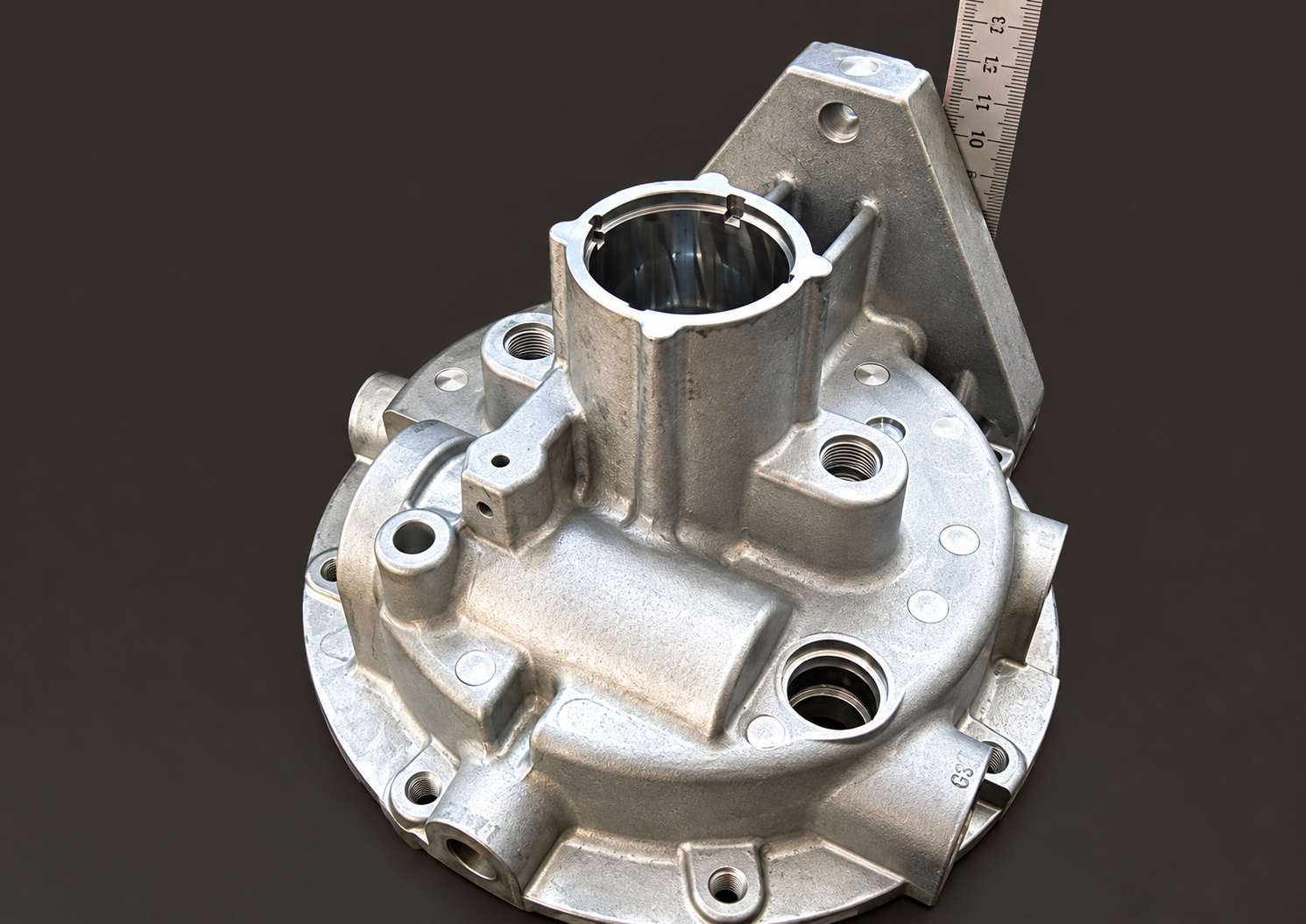
CONTACT
Contact