
KNOWLEDGE
Knowledge
Producer goods
Hazardous, Demanding, and Dirty (3K) Cleaning Work Is a Major Cause | Eliminating These Tasks Can Be a Key Turning Point in Employee Retention
2026-08-14
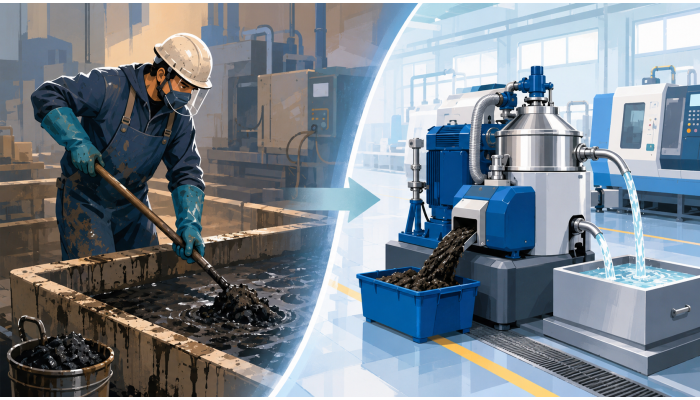
In Thailand’s manufacturing industry, retaining a new generation of skilled workers has become an increasingly serious challenge. But what is the real obstacle?
Traditional cleaning of coolant systems and sludge tanks involves demanding, dirty, and hazardous work—commonly referred to as 3K work. These conditions are a major factor that can reduce motivation among younger employees. Automating these maintenance processes is therefore an important solution for reducing workplace burdens and supporting long-term employee retention.
Table of Contents
- 3K Cleaning Work and Turnover Among Younger Workers
- Limitations of Manual Sludge Tank Cleaning
- Transition to an Automated Wastewater Treatment System
- Reducing Factory Costs and Extending Coolant Service Life
- The Role of Touto Separator Asia
- Frequently Asked Questions
3K Cleaning Work and Turnover Among Younger Workers
Traditional factory maintenance often involves 3K working conditions—Hazardous, Demanding, and Dirty—or what is also internationally referred to as HDDS: Harsh, Dirty, Dangerous, and Smelly.
Younger employees may question why machinery is not used to replace the manual task of removing sludge from coolant tanks.
Continuing to rely on conventional cleaning methods that require employees to manually remove unpleasant-smelling sludge can become a direct factor influencing younger workers to leave the organization.
Limitations of Manual Sludge Tank Cleaning
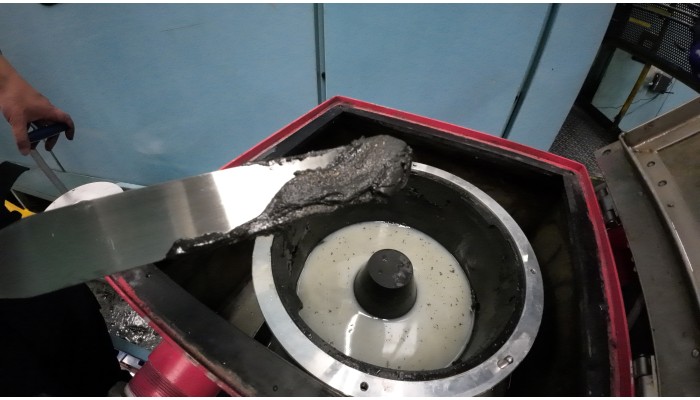
Grinding and painting processes generate sludge that accumulates in coolant systems and paint booth water tanks. This accumulation can cause coolant or circulating water to deteriorate and create unpleasant odors.
Traditional manual sludge removal requires machines to be stopped for cleaning, resulting in production downtime.
The work is also physically demanding, tiring, and potentially hazardous. In addition, wet sludge contains a large amount of water, making it heavier and increasing industrial waste treatment and disposal costs.
Transition to an Automated Wastewater Treatment System
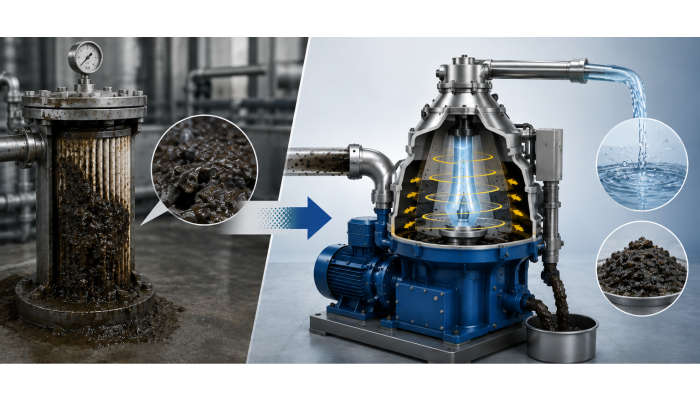
An Automatic Centrifuge continuously separates sludge from coolant using centrifugal force equivalent to 500–1,500 times the force of gravity.
Touto Separator’s CF Series is equipped with an Automatic Sludge Scraping system that automatically removes accumulated sludge.
Automating the cleaning process is therefore a practical first step toward reducing the workload on factory operators and improving the working environment.
Reducing Factory Costs and Extending Coolant Service Life
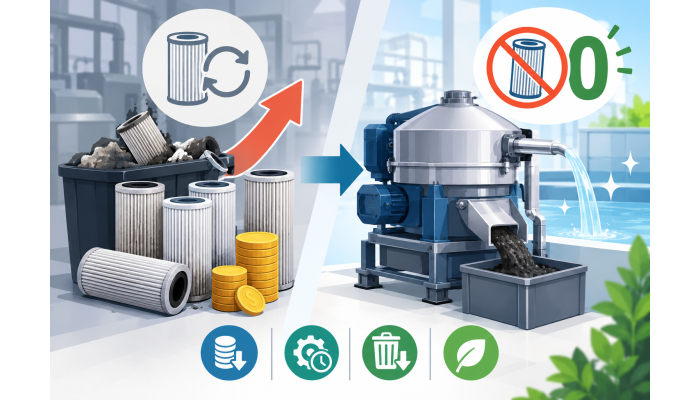
A centrifugal separator can extend the wastewater replacement interval from approximately once every month to once every three months.
This helps reduce the consumption and cost of chemicals and coolant.
In addition, sludge separated by centrifugal force has a very low water content, making it significantly lighter. As a result, industrial waste treatment and disposal costs can also be substantially reduced.
The Role of Touto Separator Asia
Touto Separator Asia Ltd. specializes in the design and supply of automatic centrifugal separators that help reduce the burden of 3K work in Thailand’s automotive, power generation, and painting industries.
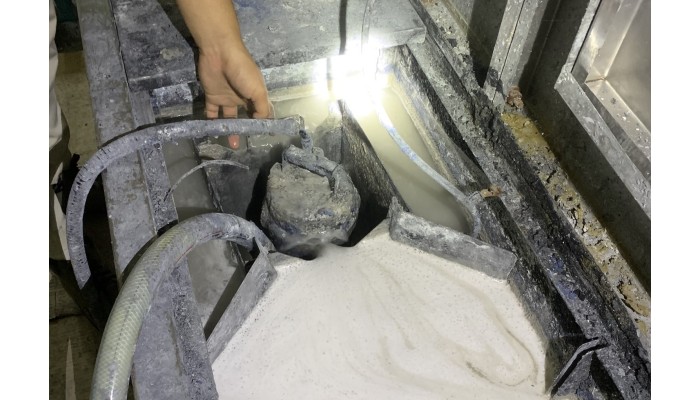
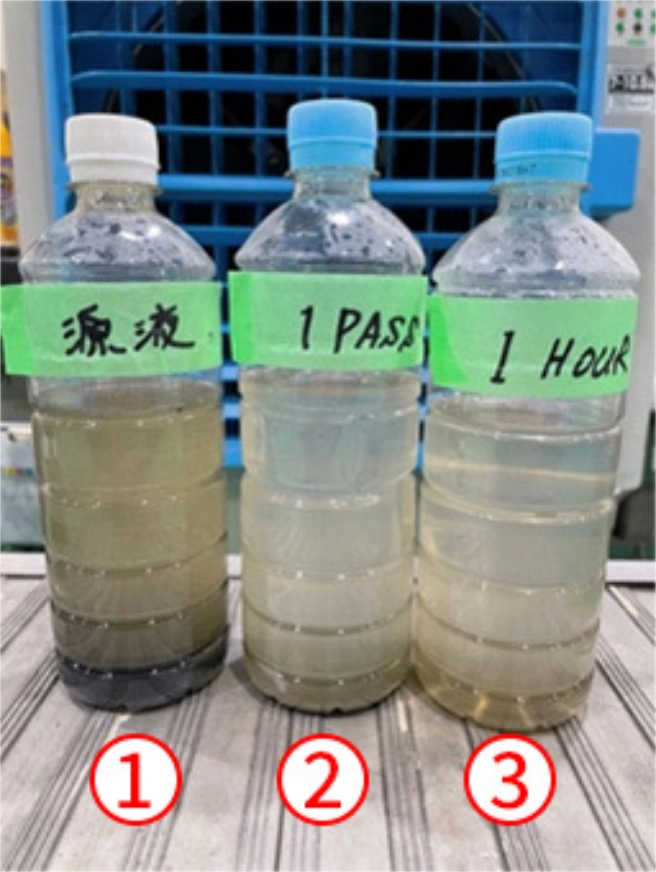
The company also provides Work Tests using actual coolant samples collected from customer sites.
This allows factory operators to clearly evaluate separation performance and actual separation results before making an installation decision.
※ For consultation regarding a Work Test using actual process fluid, or for improving 3K working conditions with an automatic centrifugal separator, please contact Touto Separator Asia.
Frequently Asked Questions
Q: How much can an automatic centrifugal separator reduce the maintenance workload?
A: The system automatically scrapes and removes sludge, reducing the required maintenance time and labor to approximately 1/10 to 1/50 compared with manual tank maintenance.
As a result, employees no longer need to frequently stop machines and perform hazardous manual cleaning work inside or around the coolant tank.
Q: How does a centrifugal separator help reduce waste disposal costs?
A: The equipment separates sludge into a semi-dry condition with very low water content, significantly reducing the weight of the sludge.
Because industrial waste treatment fees are often calculated according to the weight of the waste being disposed of, reducing the sludge weight can significantly lower industrial waste treatment costs.
※ For consultation regarding a Work Test using actual process fluid, or for improving 3K working conditions with an automatic centrifugal separator, please contact Touto Separator Asia.
Company Information
Industrial Centrifugal Separator
Touto Separator Asia Ltd. was established in 2025 as the Thai subsidiary of Touto Separator Industry Co., Ltd., a leading centrifuge manufacturer from Tochigi, Japan, with over 58 years of expertise ( ...
PICKUP
Technology & Services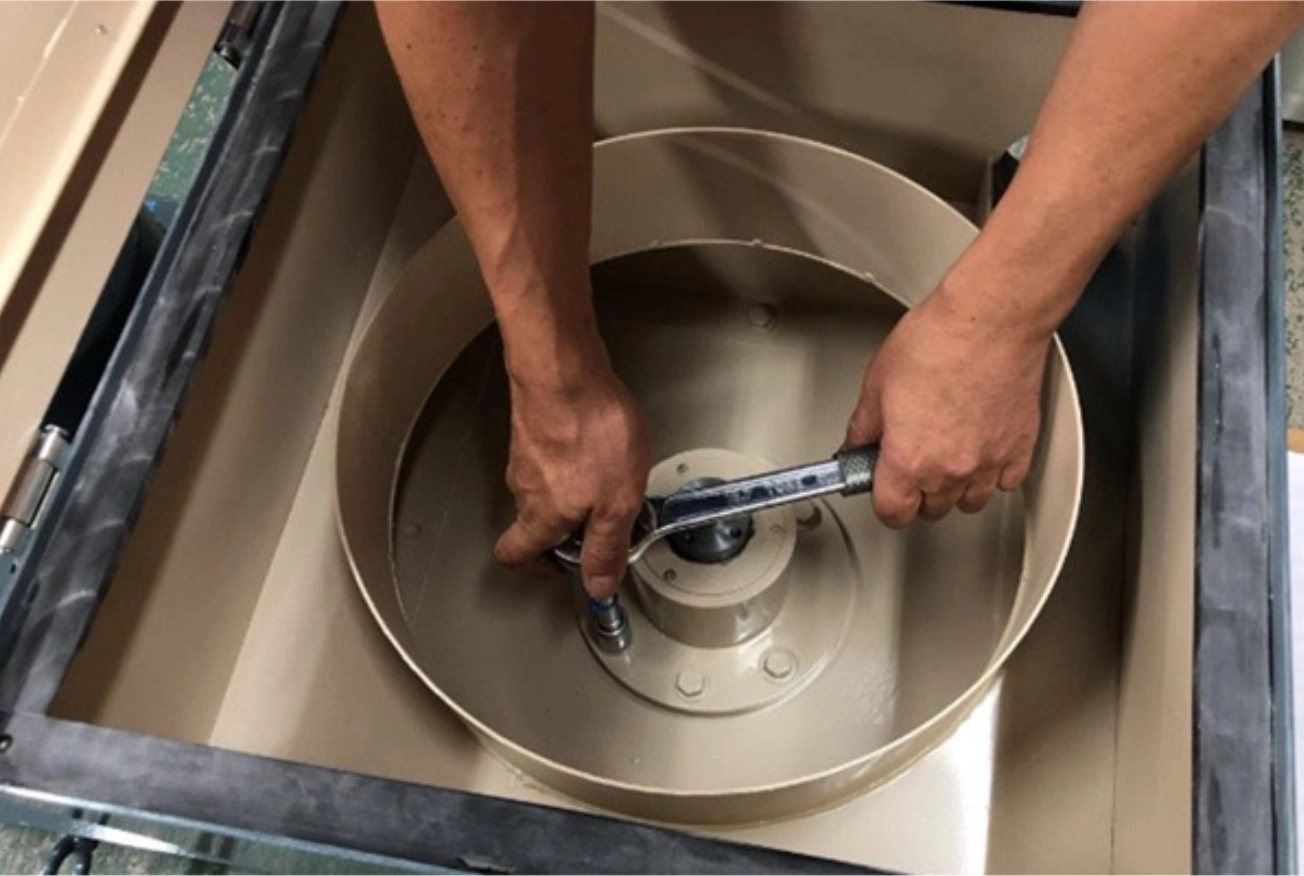
CONTACT
Contact