


-
Check
Samut Prakan
SRITONG ELECTRO CHEMICAL LTD.,PART.
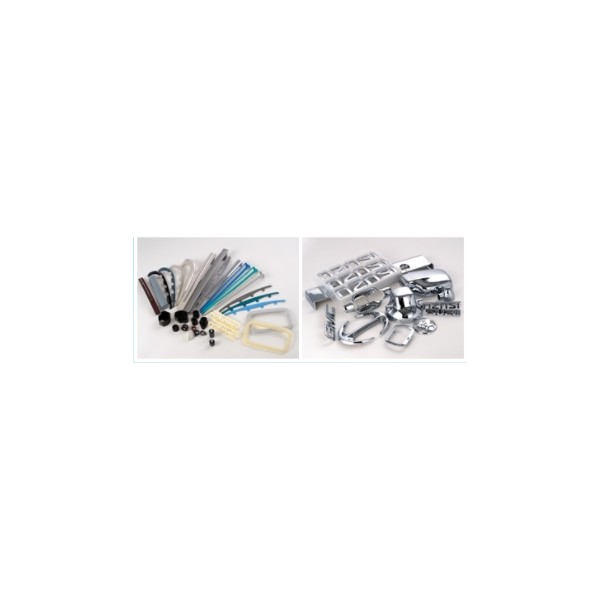
Sritong Electro Chemical. Parts plating business since 1969, with 4 main production process is as follows. *Chromium Plating on Plastic *Aluminium Anodizing (Alumite) *Vacuum Metalizing *Plastic Injection
-
Check
Samut Sakhon
SANGTHAI FITTING INDUSTRY CO.,LTD.
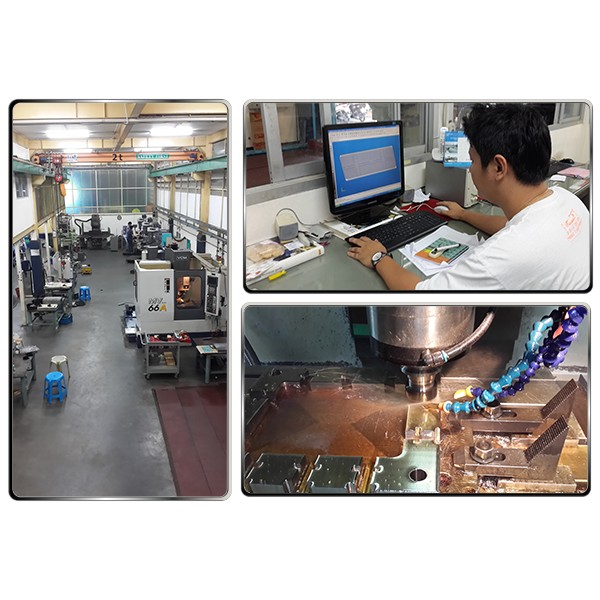
A major manufacturer of furniture parts and fittings in Samut Sakhon Province. We hire injection molding and decorating plastic parts. under ISO 9001:2015 standard. And we hire OEM plastic injection work to produce plastic products according to customer specs.
-
Check
Chachoengsao
C.B.PAINT LTD.,PART.
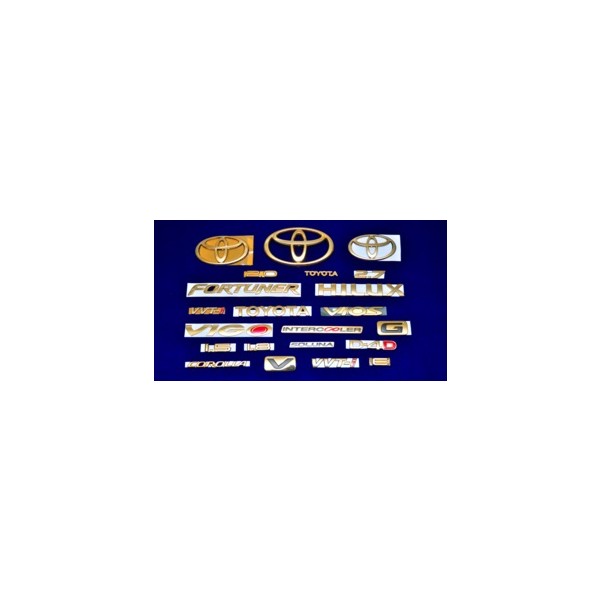
We have grown to be one of the leaders in painting automotive ornaments, emblems, and other plastic surfaces. Our services have Manual and Robot Auto painting, Screen Pad & Printing, Hot Stamping, Vacuuming and Injection of Plastic. We also provide Established Masking Jigs and Masking Jig Cleaning Machines to our local and foreign customers.
-
Check
Chachoengsao
BANGKOK SEAT CO., LTD.
Bangkok Seat Co Ltd. is a manufacturer of motorcycle seats in Thailand that commits to satisfy our customers and focus on the sustainable growth and improvement.
-
Check
Bangkok
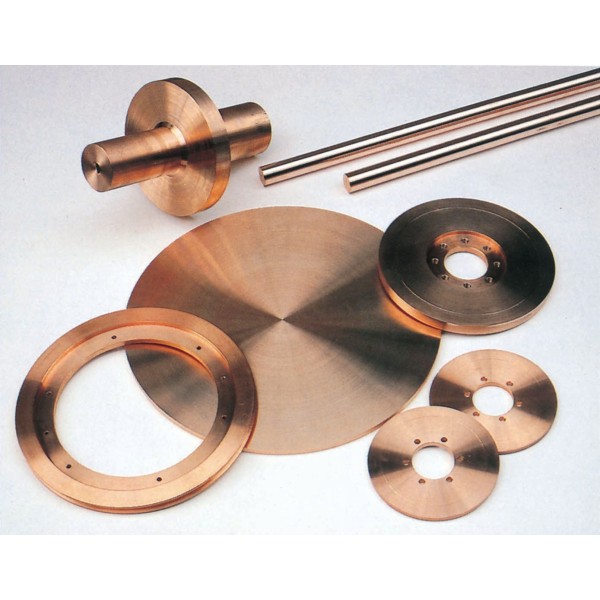
TOKYO METAL CREATE CO., LTD.
We accept small quantity, high variety, parts processing from one piece, etc.! (1) Special metals (round bars, plates, wires, pipes) that are difficult to obtain in Thailand 1. Copper, copper alloy, aluminum 2. Rare metals (tungsten, copper tungsten, silver tungsten, molybdenum, tantalum, titanium) 3. 3. stainless ② Precision processed products from 1 piece 1. 1. Electrodes of copper, copper alloys and rare metals 2. Metal and plastic machine parts 3. Sheet metal, welded parts 4. Jigs, molds ③ Special tool from 1 piece 1. 1. Special end mills and drills 2. Special cutting blades, cutters, blades 3. All of them re-polished 4. Deburring brush

About Vacuum deposition
Vacuum deposition is a type of physical vapor deposition (PVD) method that involves heating and evaporating a material in a high vacuum, then depositing its vapor onto a substrate surface. The evaporation source is vaporized by methods such as resistance heating or electron beam heating, forming a thin film at the atomic or molecular level. This technology is characterized by its compatibility with various materials, including metals, oxides, and nitrides, and its ability to precisely control the deposition of high-purity, uniform films. Primary applications include anti-reflective coatings and filters for optical lenses, imparting metallic luster to decorative items, electrodes and wiring for semiconductor devices, and gas barrier films for food packaging materials. It offers excellent adhesion and film thickness control, making it an indispensable surface modification technology across a wide range of industrial fields.
