


-
Check
Chonburi
THAI IKEDA MFG. Co.,Ltd.
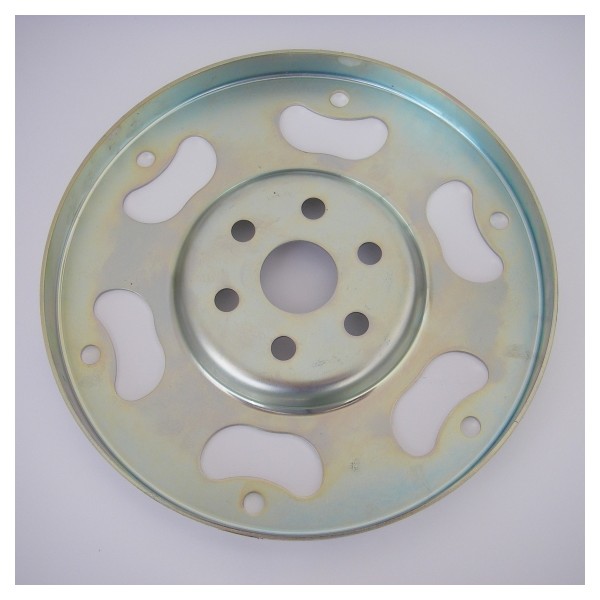
At the Pinthong Industrial Estate in Chonburi Province, which is located in Pattaya on the southeastern side of Bangkok, we manufacture and sell integrated products from metal stamping automobile parts, electrical parts (for motors), other pressed products, welding, and electrodeposition coating.
-
Check
Samut Prakan
CHAROENLAP AUTO PART CO., LTD.
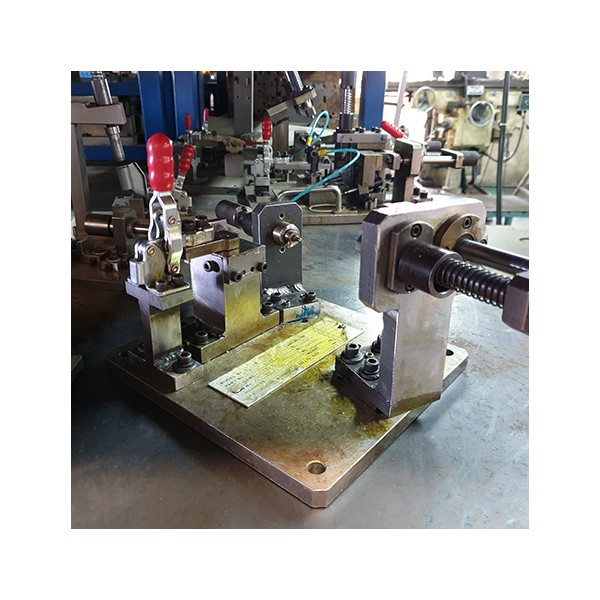
Manufacturer of Press Parts, Metal Dies & Jigs
-
Check
Samut Prakan
INTERTOOL TECHNOLOGIES CO.,LTD.
INTERTOOL Technologies is one of the first precision mould and die components manufacturer in Thailand. Our founder, Mr. Rangsan Prisanavanich started Intertool Technologies as a small machine shop in 1978. Through his expertise and hard-work, we have grown into one of the leading manufacturer in Asia. Intertool currently operates 2 manufacturing facilities.
-
Check
Nakhon Ratchasima
PCS-NISSIN CO., LTD.
PCS-NISSIN was established in 1994 with the initial registered capital 80 Million Baht or U.S. $ 3.2 Million. The factory is located in Nakhonratchasima (korat) , the major province in Northeastern of Thailand. The company provides customers with full services of stamping parts including from die design to die production, and also metal parts and assembly.
-
Check
Rayong
SANYO ENGINEERING (THAILAND) CO., LTD.
Press mold, Mold parts, stamped parts manufacturing and sales, Mold repair maintenance

About Press robot die
A press robot system refers to a production system or its configuration that introduces industrial robots into press working processes to achieve automation and labor saving. By having robots handle tasks such as automatic feeding and unloading of workpieces, transfer between press machines, and die changes, it significantly contributes to improving productivity, stabilizing quality, and ensuring worker safety. It is particularly effective in metal sheet processing for automotive parts and home appliances, etc., for high-mix low-volume production and handling large parts. Typical application examples include workpiece transfer between presses by articulated robots in tandem press lines, and automated production cells where press machines and robots work in conjunction. This enables the resolution of labor shortages and cost reduction, making it an indispensable technology for strengthening the competitiveness of the manufacturing industry.
