


-
Check
Chonburi
FUJILLOY (THAILAND) CO., LTD.
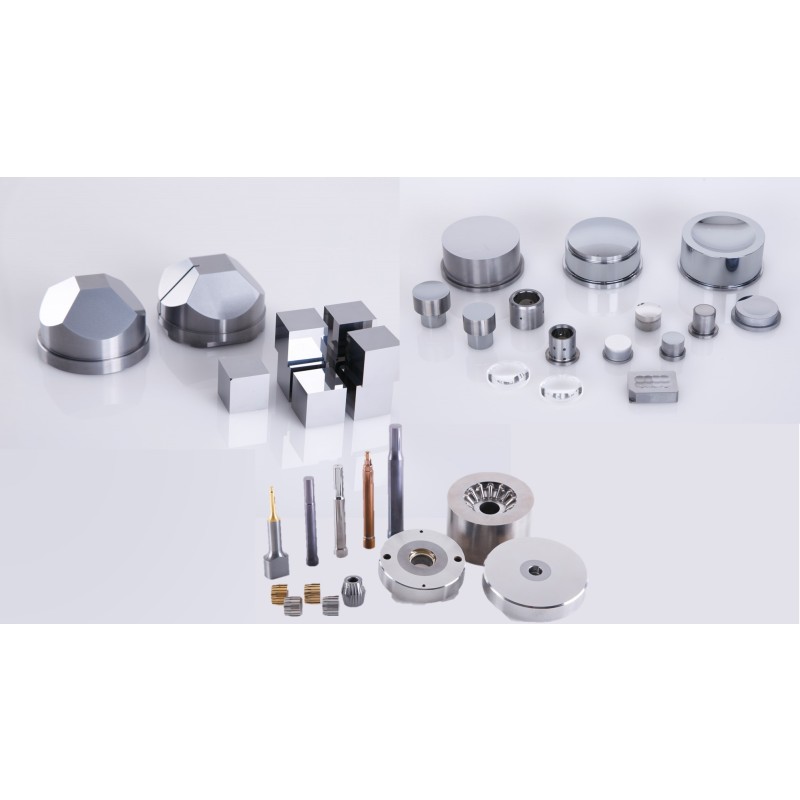
FUJILLOY (THAILAND) is the Thai subsidiary of Fuji Dies Co., Ltd., which was established in 2003. The Fuji Dies Group is a leading manufacturer of carbide wear-resistant tools in Japan, with the number one market share domestically. Based on the technology and quality cultivated by the company, FUJILLOY (THAILAND) provides high-precision and reliable products to customers in the Thai market. Their products are used in a wide range of fields, including skyscrapers, optical communication, high-speed trains, automobiles, medical devices, and home appliances, playing an important role in supporting the industrial development of Thailand. ■ Business Activities FUJILLOY (THAILAND) provides products and services centered on cemented carbide, including: - Carbide Tools: High-precision tools for various press molds, hot and cold rolling rolls, cold forging molds, and other tools with high performance requirements. - Material Proposals: In addition to carbide, they offer proposals for a variety of materials such as ceramics and steel products. - Customization: Manufacturing and providing made-to-order products based on customer needs. ■ Strengths The unique strengths of FUJILLOY (THAILAND) are as follows: - Japanese Quality: Inherited the high technological capabilities of the Fuji Dies Group and realized them in the Thai market. - Wide Industry Coverage: Capable of handling a broad range of fields, from industrial parts to consumer goods manufacturing. - High Reliability: A product line that combines wear resistance and high precision to secure customer trust. - Localized Service: Quick and flexible responses tailored to the Thai market.

About Thin wall molding
Cemented carbide is a composite material with tungsten carbide (WC) as its main component, sintered with a binder such as cobalt (Co). It possesses extremely high hardness, wear resistance, heat resistance, and high rigidity, making it an indispensable material in modern manufacturing where high-speed and high-precision machining are required. Its main applications include cutting tools (drills, end mills, inserts), press dies, drawing dies, and various wear-resistant parts. Due to its hardness, post-sintering processing is typically performed by electrical discharge machining (EDM) or grinding with diamond wheels. It contributes to the machining of difficult-to-cut materials and extended tool life, thereby improving productivity.
