


-
Check
Bangkok
TOKYO METAL CREATE CO., LTD.
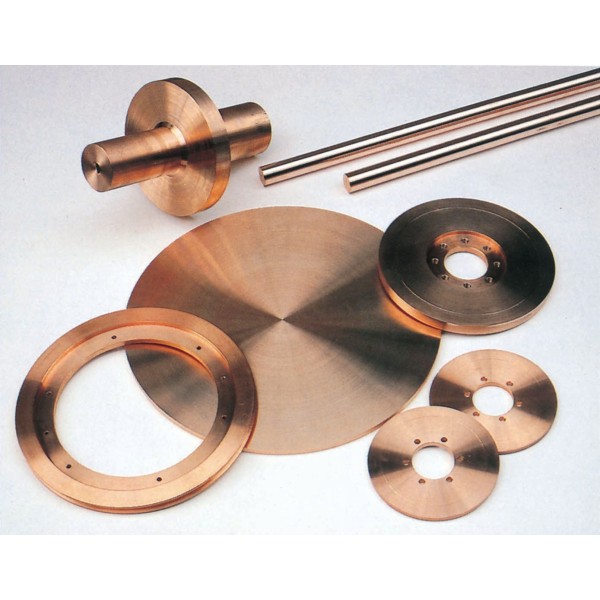
We accept small quantity, high variety, parts processing from one piece, etc.! (1) Special metals (round bars, plates, wires, pipes) that are difficult to obtain in Thailand 1. Copper, copper alloy, aluminum 2. Rare metals (tungsten, copper tungsten, silver tungsten, molybdenum, tantalum, titanium) 3. 3. stainless ② Precision processed products from 1 piece 1. 1. Electrodes of copper, copper alloys and rare metals 2. Metal and plastic machine parts 3. Sheet metal, welded parts 4. Jigs, molds ③ Special tool from 1 piece 1. 1. Special end mills and drills 2. Special cutting blades, cutters, blades 3. All of them re-polished 4. Deburring brush
-
Check
Bangkok
CGA CO.,LTD.
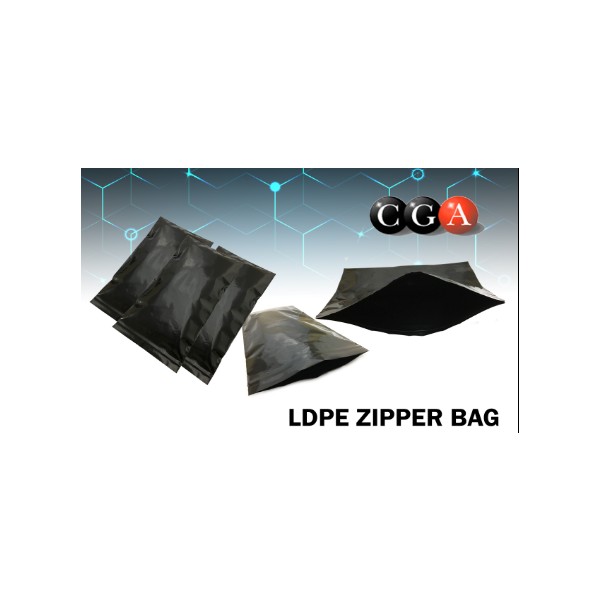
We are experts in protective and packaging products. Our products and services have been used in manufacturing processes, gaining over 10 years of experience and recognition from world-leading companies.
-
Check
Samut Prakan
KRUNGTHAI PLASPACK CO.,LTD.
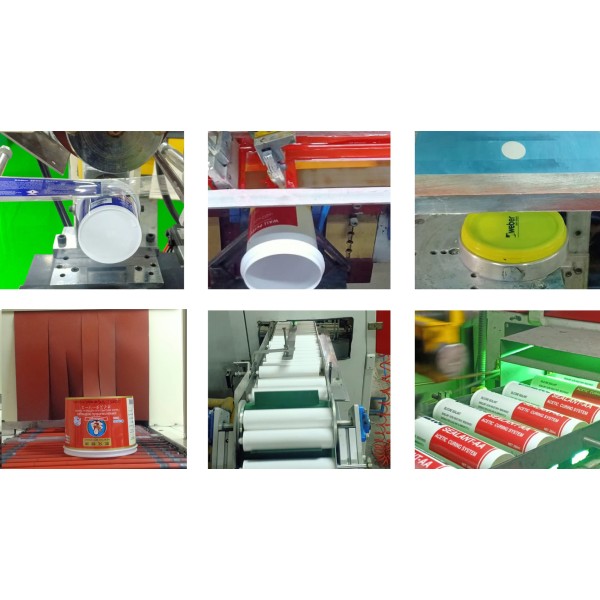
We have a team of experts in this field and well-trained staffs who will help you developing your business and products effectively. This is why KTP is one of the leading plastic packaging company in Thailand.

About Film-lamination
Stainless steel is an iron alloy that exhibits excellent corrosion resistance by containing 10.5% or more chromium. By adding elements such as nickel, it is classified into austenitic, ferritic, martensitic, and other types, each possessing different characteristics. Due to its high strength, heat resistance, and beautiful appearance, it is utilized in a wide range of fields, including kitchen equipment, architectural interiors and exteriors, medical devices, chemical plants, and automotive parts. Common processing methods include cutting, pressing, bending, welding, and polishing. However, austenitic stainless steel, in particular, is prone to work hardening, making appropriate tool selection and parameter settings essential for cutting and deep drawing. While its weldability is good, proper welding conditions and post-treatment are required to prevent a reduction in corrosion resistance in the heat-affected zone.
