


-
Check
Nakhon Ratchasima
PRESS CRAFT (THAILAND) CO., LTD.
Our company is the second factory in Thailand of SOHBI KOHGEI CO., LTD. , which is headquartered in Yao City, Osaka Prefecture, Japan. On an expansive site in Nakhon Ratchasima Province, also known as Korat, we are equipped with over 100 press machines, powder and solvent coating facilities, and an extensive range of welding equipment — including TIG, FIBER, and laser welding — putting us at a level that can be called top-class among sheet metal press manufacturers in Thailand. As we approach the 30th anniversary of the factory's establishment, we have introduced a turret punch-laser combination machine as new equipment. Centered on press processing, we are further expanding the range of our secondary processing capabilities, aiming to become a truly unique supplier in Thailand.
-
Check
Tak
MAESOT HEAVY INDUSTRIES CO., LTD.
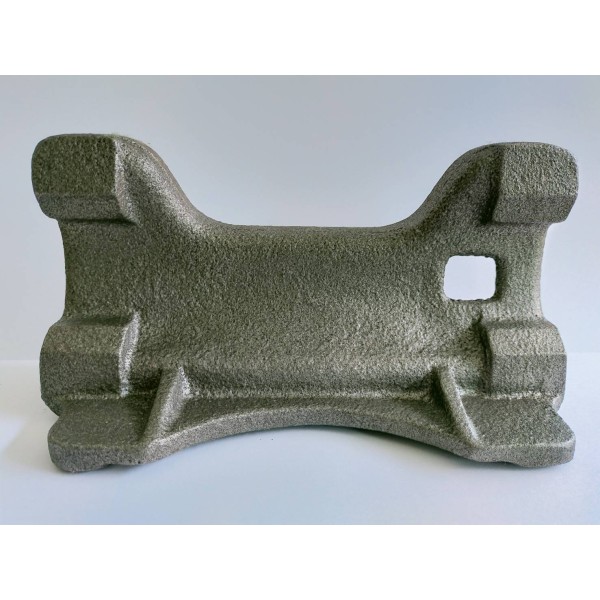
Maesot Heavy Industries is a foundry, machining and fabrication factory in Thailand, with 100% foreign (Taiwan) capital of 238 million baht. We are approved by Thailand's Board of Investment. We have extensive OEM industrial knowledge regarding cast iron, ductile iron, steel, and fabrication.
-
Check
Bangkok
TOKYO METAL CREATE CO., LTD.
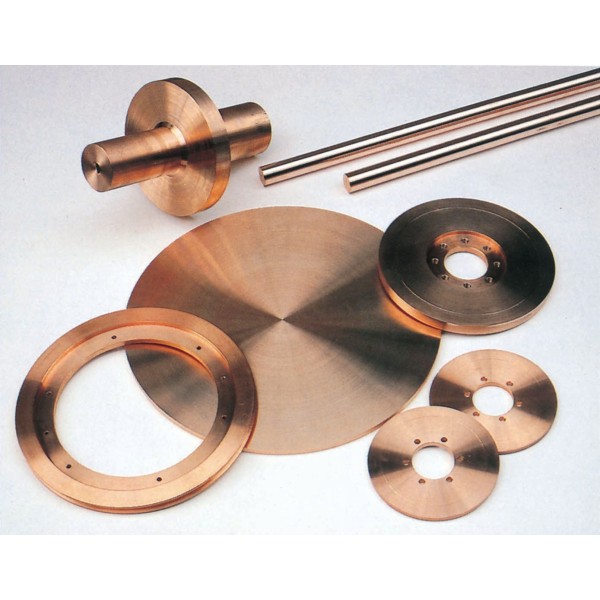
We accept small quantity, high variety, parts processing from one piece, etc.! (1) Special metals (round bars, plates, wires, pipes) that are difficult to obtain in Thailand 1. Copper, copper alloy, aluminum 2. Rare metals (tungsten, copper tungsten, silver tungsten, molybdenum, tantalum, titanium) 3. 3. stainless ② Precision processed products from 1 piece 1. 1. Electrodes of copper, copper alloys and rare metals 2. Metal and plastic machine parts 3. Sheet metal, welded parts 4. Jigs, molds ③ Special tool from 1 piece 1. 1. Special end mills and drills 2. Special cutting blades, cutters, blades 3. All of them re-polished 4. Deburring brush

About Destructive test
Destructive testing is an evaluation method that directly ascertains the ultimate performance limits of materials and products by intentionally causing their failure, in order to assess their mechanical properties, durability, and reliability. It can obtain critical information such as strength, toughness, fatigue life, and failure modes, which cannot be acquired through non-destructive testing. Its main objectives are diverse, including material selection, design validation, quality control, failure analysis, and new material development. Representative testing methods include tensile tests, compression tests, bending tests, impact tests (Charpy, Izod), fatigue tests, and creep tests. Through these, the behavior of materials and the safety of products are objectively evaluated.
