_8b61f9d7-8c67-4be0-948a-f747539ca760.png)
Technoplast (Thailand) Co., Ltd.
SERVICES
Technology & Services
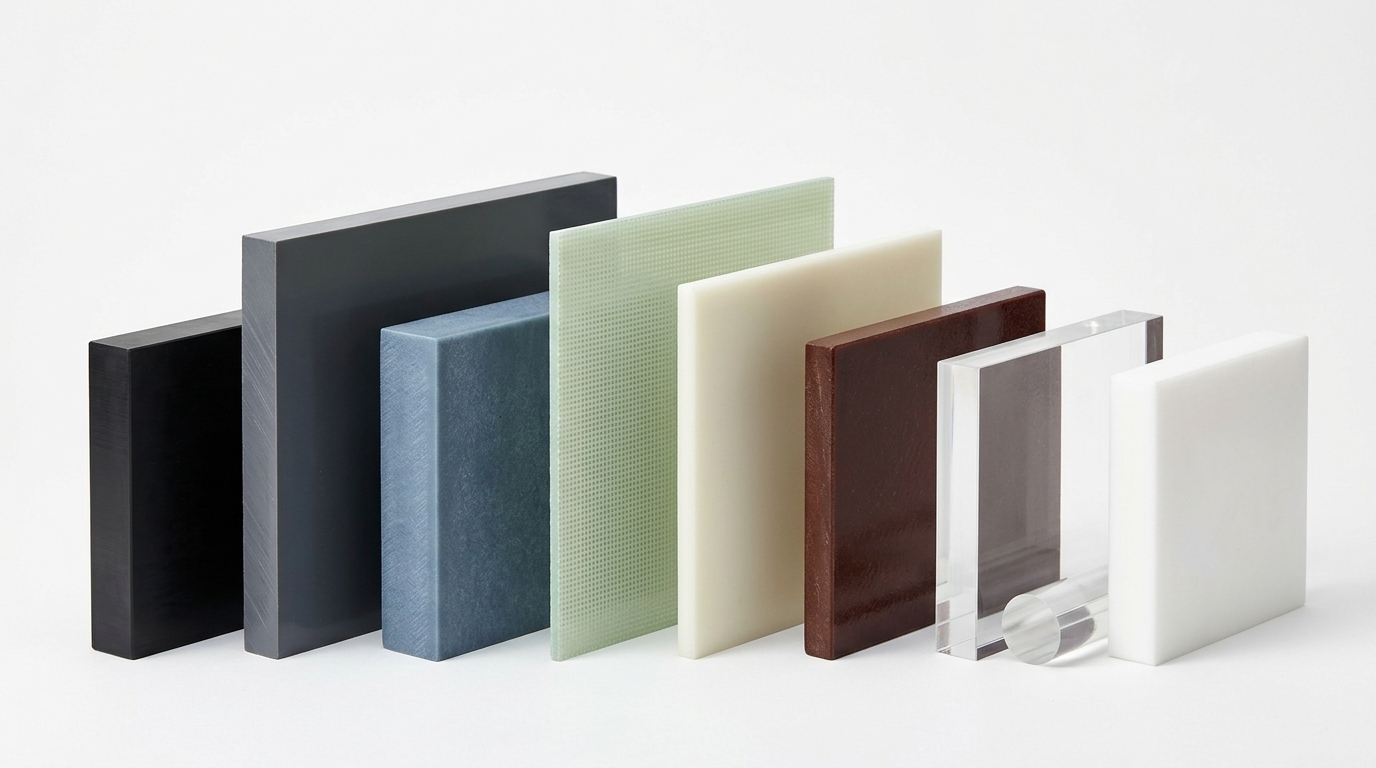
Epoxy Glass (G10/FR-4) vs Bakelite — Insulation Material Comparison & Precision Machining
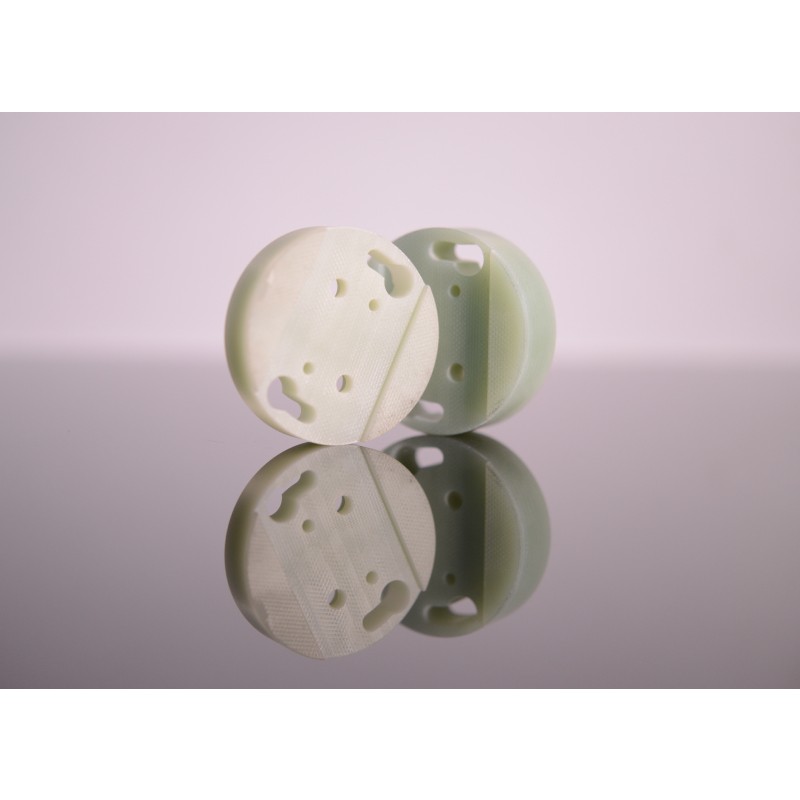
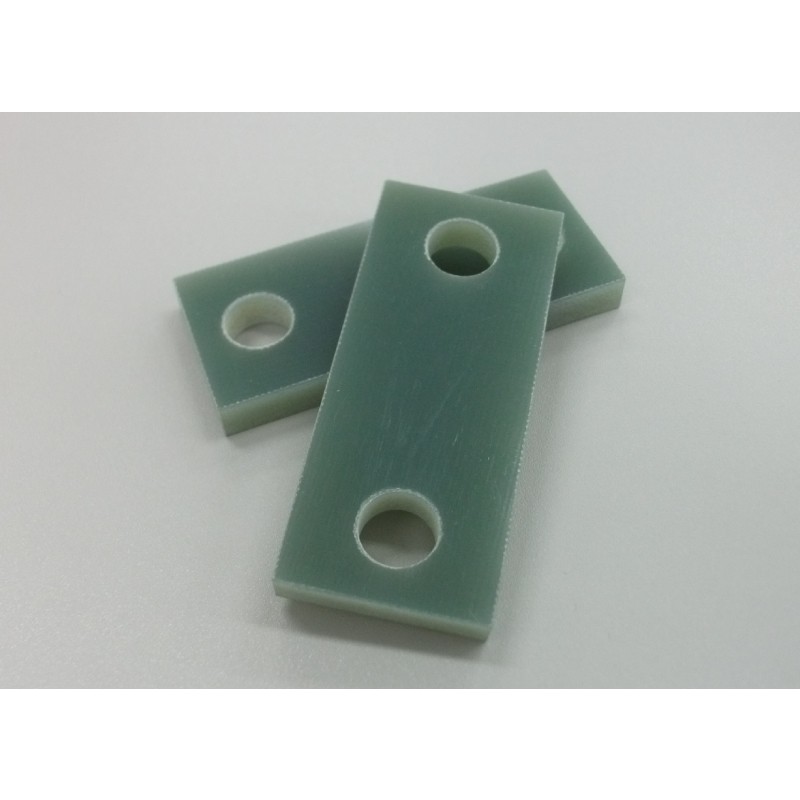
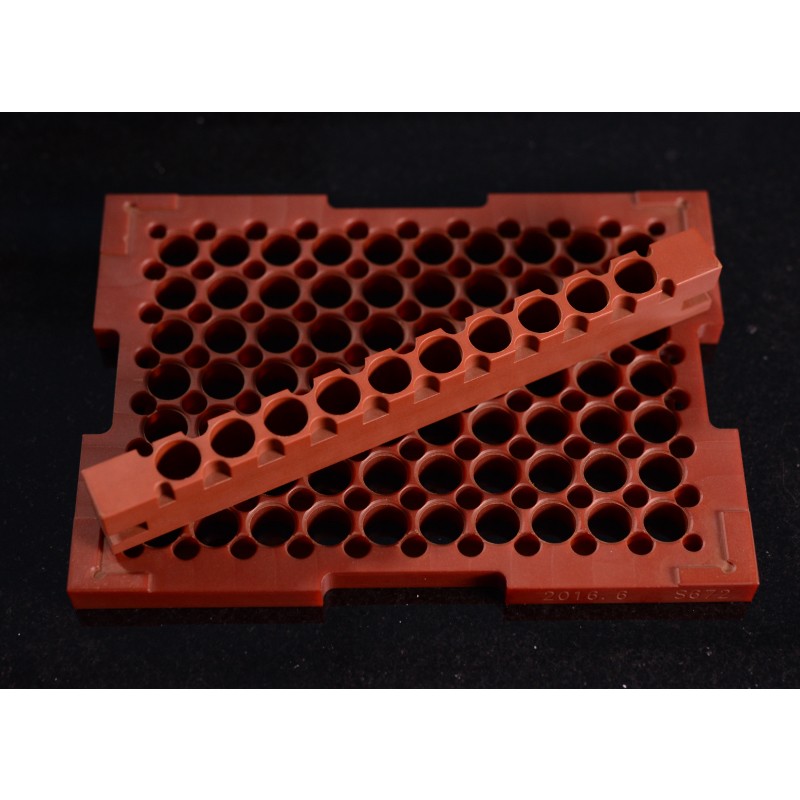
Epoxy glass (G10 / FR-4) and Bakelite (paper and fabric types) are both thermosetting resin materials widely used for electrical insulation. Because their properties and typical applications differ, epoxy glass is suitable when heat resistance, insulation performance, and dimensional stability are priorities, while paper/fabric Bakelite is preferable when cost or impact resistance is the main concern. Our company provides precision machining and material selection support for both materials, from prototyping through mass production.
________________________________________________________________________________
Epoxy glass characteristics and advantages 📘
Composition: Laminated material made by impregnating glass fiber with epoxy resin and thermally curing it (common grades: G10, FR-4).
Key features
- High mechanical strength and rigidity — enables high precision machining even in thin plates.
- Excellent heat resistance — continuous use temperature around 180°C.
- Superior electrical insulation and low dielectric constant — ideal for electronic components and PCB surroundings.
- High flame retardancy — FR-4 is available in UL94 V-0 equivalent high flame retardant specifications.
- Chemical and solvent resistance — stable in many environments.
- High dimensional stability and low warpage — low shrinkage on heating, suitable for precision parts.
- Notes: High hardness makes the material prone to chipping under impact or bending. Machining generates dust, so proper dust collection and protective measures are required.
________________________________________________________________________________
Bakelite characteristics and advantages 🟤
Types: Paper Bakelite (e.g., PL-PEM, PL-PEV) and fabric Bakelite (e.g., PL-FLE).
Key features
- Excellent electrical insulation — traditional material for distribution boards, transformers, and insulating terminal plates.
- Cost options — paper Bakelite is relatively inexpensive and versatile.
- High impact resistance in some grades — fabric Bakelite offers superior impact durability.
- Notes: Heat resistance is lower than epoxy glass (approx. 130°C). Machining produces dust, so dust collection and protective measures are necessary. Selecting the appropriate grade for the application is important.
________________________________________________________________________________
Our capabilities and machining points 🏭
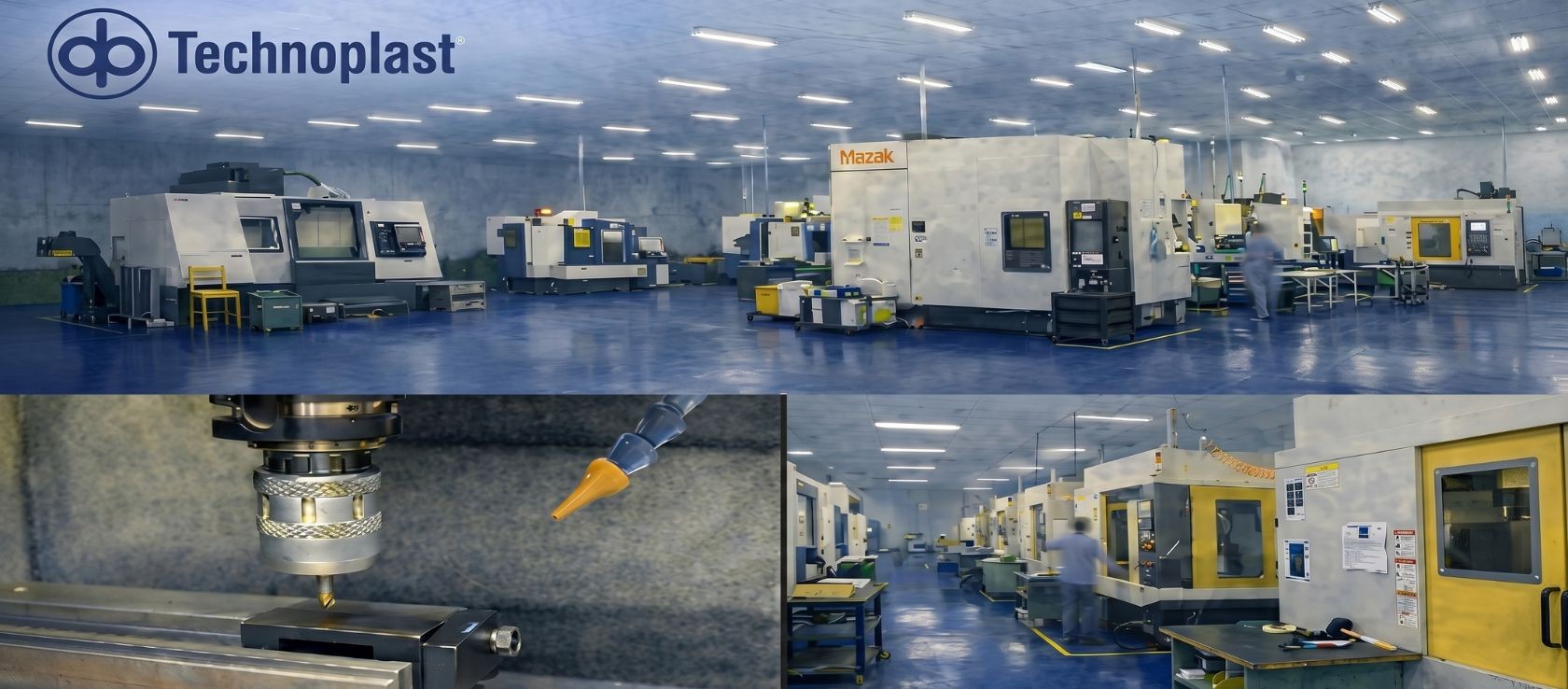
- Equipment and expertise: Dust collection and protection systems, proper tool selection, and optimized cutting conditions reduce chipping and dust issues when machining epoxy glass. Bakelite is processed under conditions matched to its material properties to achieve high quality.
- Material selection support: We propose the optimal grade based on requirements (heat resistance, impact resistance, cost, flame retardancy).
________________________________________________________________________________
Epoxy glass characteristics and advantages 📘
Composition: Laminated material made by impregnating glass fiber with epoxy resin and thermally curing it (common grades: G10, FR-4).
Key features
- High mechanical strength and rigidity — enables high precision machining even in thin plates.
- Excellent heat resistance — continuous use temperature around 180°C.
- Superior electrical insulation and low dielectric constant — ideal for electronic components and PCB surroundings.
- High flame retardancy — FR-4 is available in UL94 V-0 equivalent high flame retardant specifications.
- Chemical and solvent resistance — stable in many environments.
- High dimensional stability and low warpage — low shrinkage on heating, suitable for precision parts.
- Notes: High hardness makes the material prone to chipping under impact or bending. Machining generates dust, so proper dust collection and protective measures are required.
________________________________________________________________________________
Bakelite characteristics and advantages 🟤
Types: Paper Bakelite (e.g., PL-PEM, PL-PEV) and fabric Bakelite (e.g., PL-FLE).
Key features
- Excellent electrical insulation — traditional material for distribution boards, transformers, and insulating terminal plates.
- Cost options — paper Bakelite is relatively inexpensive and versatile.
- High impact resistance in some grades — fabric Bakelite offers superior impact durability.
- Notes: Heat resistance is lower than epoxy glass (approx. 130°C). Machining produces dust, so dust collection and protective measures are necessary. Selecting the appropriate grade for the application is important.
________________________________________________________________________________
Our capabilities and machining points 🏭
- Equipment and expertise: Dust collection and protection systems, proper tool selection, and optimized cutting conditions reduce chipping and dust issues when machining epoxy glass. Bakelite is processed under conditions matched to its material properties to achieve high quality.
- Material selection support: We propose the optimal grade based on requirements (heat resistance, impact resistance, cost, flame retardancy).
Company Information
Industry Classification
Industrial machinery / Electronic parts
Main 3 Products
PEEK / PTFE / POM
Phone Number
Homepage URL
Our company performs plastic cutting processes such as machining in our own factory, specializing in high-precision, small-lot, multi-product manufacturing. With over 50 years of history and experienc ...
CATALOG
Related Catalogs
PICKUP
Technology & Services
CONTACT
Contact