The impact of AI on the manufacturing industry
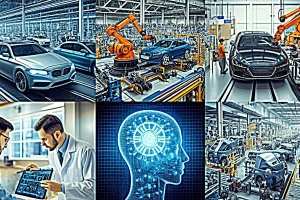
Here are some examples of the advantages and challenges of AI:
Solving Labor Shortages: In the manufacturing industry, there is a labor shortage due to declining birthrates, aging populations, and talent outflow.
Cost Reduction & Productivity Improvement: The use of AI can reduce human errors and part losses, leading to cost reductions and productivity improvements.
Quality Improvement & Safety Enhancement: Utilizing AI for image and sound analysis can precisely inspect product quality and machinery conditions.
The challenges of AI include the following:
Technical Hurdles: The manufacturing industry requires AI capable of handling diverse data and environments, which necessitates advanced technology and knowledge for development and implementation. Compatibility with existing equipment and systems, as well as security considerations, are also important.
Human Hurdles: Training and education for personnel to adapt to AI-induced job changes are also necessary.
Ethical Hurdles: the collection and use of data by AI raise ethical issues, such as privacy and the protection of personal information.
In summary, AI is expected to have a significant impact on the manufacturing industry. The use of AI has the potential to lead to innovation and enhance competitiveness in the manufacturing sector, but it also comes with various challenges. Overcoming not just the technical hurdles but also the human and ethical hurdles.