


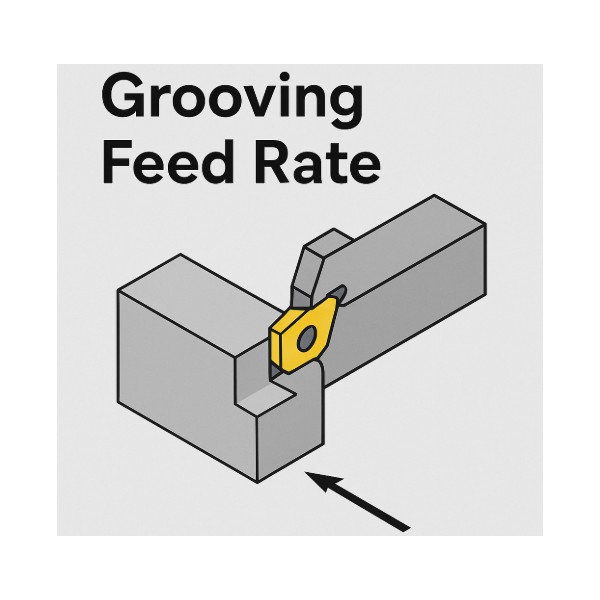
Metal Grooving + Common Feed Rate Issues|Avoid Scrap and Extend Tool Life in CNC Operations
Grooving feed rate directly affects surface finish, tool wear, and production cost in CNC machining. Setting the proper speed ensures stable operations, fewer defects, and longer tool life. This article highlights typical problems caused by incorrect feed rates and offers practical guidelines to optimize grooving performance.
■ Why Grooving Feed Rate Matters in Metal Machining
Feed rate plays a critical role in:
・ Surface quality
・ Dimensional precision
・ Tool insert life
・ Cycle time per piece
・ Total scrap generation
In CNC turning or milling, this becomes even more crucial for part consistency and cost-efficiency.
■ Problems Caused by Too Fast a Feed Rate
When the feed rate is too aggressive:
・ Surface roughness increases due to tool vibration (chatter)
・ Heat builds up at the cutting edge, causing burns
・ Tool wear accelerates—especially for coated inserts
・ Cracks form in grooves of brittle materials
・ Machine components suffer excessive load, shortening equipment life
■ Problems Caused by Too Slow a Feed Rate
Running too slowly can be just as harmful:
・ Built-up edge forms on the insert, damaging surface quality
・ Excessive friction raises temperatures and insert degradation
・ Chips accumulate and may weld to the cutting tool
・ Extended cycle time raises unit cost
・ Overall productivity decreases
■ Negative Effects on Product Quality and Factory Costs
Both underfeeding and overfeeding cause:
・ Failed QC inspections
・ Rework or scrap due to dimensional errors
・ Higher tooling cost from frequent insert changes
・ Delayed throughput and reduced factory capacity
■ How to Set the Right Grooving Feed Rate
Factors to consider include:
・ Workpiece material (e.g., steel, aluminum, brass)
・ Groove dimensions (depth, width)
・ Insert geometry and coating
・ Machine power and spindle condition
・ Chip evacuation capability and coolant availability
Tip: Always start with the manufacturer's recommended cutting data and adjust based on machine behavior and surface feedback.
■ The Bottom Line: Pay Attention to Feed Rate
・ Boost part consistency and reduce rework
・ Extend tool lifespan and reduce insert costs
・ Protect machines from overload
・ Maximize production output with same resources
・ Eliminate unnecessary waste for lean manufacturing
#Grooving #CNCFeedRate #MetalMachining #MachiningTips #ToolWear #InsertSelection #ReduceScrap #FactoryOptimization #CuttingTools #ThaiManufacturing
CONTACT
Contact FormCompany Information
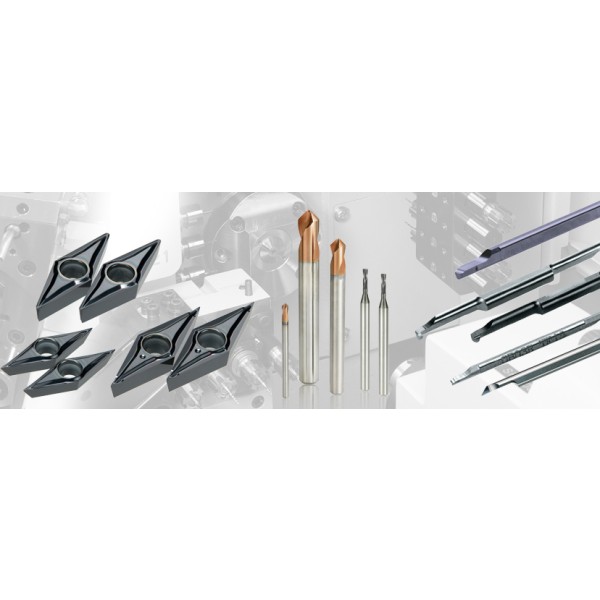
Jigs and tools
Turning Tools / Rotary Tools / Drilling Tools
Mitsubishi Materials carbide tools provide innovative cutting tools and solutions to customers worldwide.