


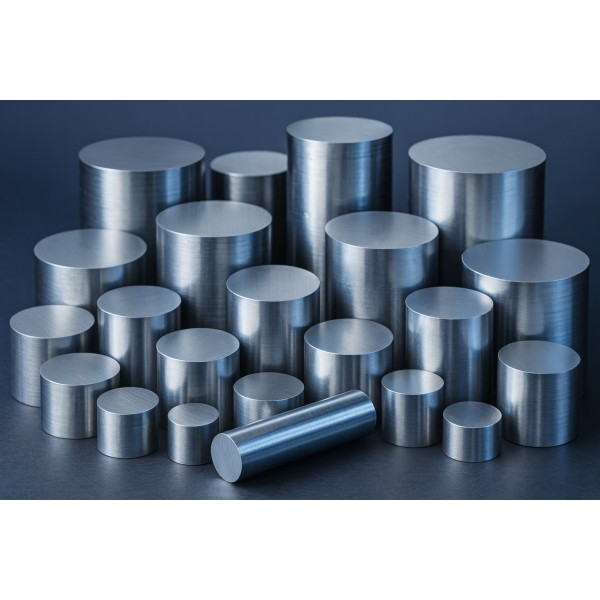
Plastic Mold Steel|Why It Matters for Injection Molding Quality
Key Takeaways
- Plastic mold steel is the primary material for plastic injection molds and directly impacts product quality and production cost.
- Common grades include P20/NAK80, H13 (SKD61), and S136, chosen based on application level and type of plastic.
- Each steel type has unique strengths, such as excellent polishability, heat resistance, or corrosion resistance.
- Regular mold maintenance extends service life and minimizes downtime.
- Investing in high-quality steel offers better long-term value than choosing solely based on price.
Plastic mold steel is a specialized material specifically developed for plastic injection mold production. It plays a critical role in manufacturing a wide range of plastic parts, from automotive and electronics to household goods. The quality of the mold steel directly affects part surface finish, dimensional accuracy, mold lifespan, and overall production cost. Therefore, understanding steel properties and choosing the right grade is essential for engineers and manufacturers.
Plastic mold steel is a type of tool steel optimized for the demanding conditions of plastic injection molding, which involve repeated exposure to heat, pressure, and friction without deformation or excessive wear.
This type of steel is engineered to balance hardness, toughness, wear resistance, and polishability, while maintaining dimensional accuracy over high-volume production cycles.
Key Benefits of Choosing the Right Mold Steel
- Extended mold life and reduced long-term cost
- High dimensional accuracy and smooth surface finish of plastic parts
- Consistent quality across mass production
- Reduced repair time and less machine downtime due to mold issues
Common Mold Steel Grades
- P20 (and similar grades / NAK80): Suitable for general-purpose molds with medium usage. Typical hardness is around 28–32 HRC, supporting 300,000–500,000 shots.
- H13 (SKD61): Used for molds that require high hardness and heat resistance. Post-hardening hardness is about 48–52 HRC, ideal for engineering plastics with high processing temperatures.
- S136 (SUS420): A corrosion-resistant stainless steel, suitable for plastics containing PVC or flame retardants, helping prevent rust and pitting in mold cavities.
- NAK80: Known for its excellent polishability, ideal for high-gloss surface molds, such as transparent or decorative parts.
Application Examples
- Bottle cap molds: P20 is used to support high-volume production with cost efficiency.
- Automotive light lens molds: NAK80 provides the clarity and gloss required for transparent parts.
- Plastic gear molds: H13 handles stress and maintains gear tooth profile precision.
Common Misconceptions
- The hardest steel is always the best. → Toughness must also be considered. Extremely hard steel can be brittle and prone to cracking.
- Expensive molds aren’t worth the cost. → High-quality steel reduces repair and replacement frequency, offering better value in high-volume production.
- Good steel doesn't require maintenance. → Even premium-grade steels need proper care to achieve their full-service life.
Plastic mold steel is a key factor in determining the quality and lifespan of plastic injection molds. Choosing the right grade for your application, production volume, and plastic type, combined with proper maintenance, enhances production efficiency, lowers costs, and ensures consistent part quality. Understanding the characteristics of each grade P20, H13, S136, and NAK80 enables more informed and cost-effective material choices.
ーーーーーーーーーーーーーーーーーーーーーーーーーーーーーーーーーーーーーーーーーーーーーーーーーーーーーーーーー
❓ FAQ
Q: What’s the difference between P20 and H13?
A: P20 is pre-hardened at the factory and has moderate hardness, suitable for general molds. H13 requires hardening and offers higher hardness and heat resistance, ideal for engineering plastics and heavy-duty applications.
Q: What is the typical mold lifespan?
A: P20 generally supports 300,000–500,000 shots, while H13 can exceed 1,000,000 shots depending on usage conditions and maintenance.
Q: Is mold polishing required after every use?
A: Not necessarily. It depends on the surface finish requirements. High-gloss or optical-grade surfaces require special polishing.
📚 Glossary
- P20 Steel: Pre-hardened plastic mold steel for general use
- H13 / SKD61: Heat-resistant tool steel for engineering plastic molds
- S136 / SUS420: Corrosion-resistant stainless mold steel
- NAK80: Highly polishable mold steel ideal for glossy parts
📖 Reference
- AISI and JIS Mold Steel Standards
- Mold material selection guides from DME and HASCO
- Applied materials science research in mold-making industries
- Technical data from leading mold steel manufacturers
#PlasticMoldSteel #P20 #H13 #S136 #NAK80 #InjectionMolding #ToolSteel #Polishability
CONTACT
Contact FormCompany Information
Special steel / Machinery steel / Laser machine
Founded in 2016, Storemate Co., Ltd. specializes in the import and distribution of premium-quality steel, machinery, and industrial tools. With our headquarters located in Bangkok and two production f ...