


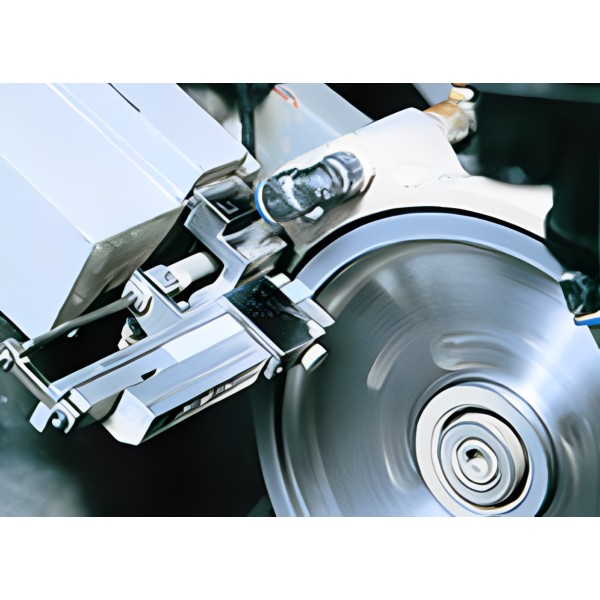
Common Problems Caused by Using the Wrong Grinding Wheel—and How to Avoid Them
Choosing the wrong grinding wheel can lead to poor performance, damage to tools, and even serious safety hazards. Here's a breakdown of common issues that arise when the grinding wheel does not match the application—and how to prevent them.
1. Poor Surface Finish, Burn Marks, or Inconsistent Grinding
🔎 Causes:
- Abrasive grain is too coarse, leaving deep scratches.
- Inappropriate grit size results in uneven surfaces.
- The wheel is too hard, causing high friction and burn marks on the workpiece.
✅ Solutions:
✔ Use a finer grit (Grit 150 or above) for smoother surface finishes.
✔ Choose an open-structure wheel to reduce heat buildup.
✔ Adjust the spindle speed to match the grinding wheel type.
2. Fast Wheel Wear or Cracking
🔎 Causes:
- Using a soft grinding wheel on hard metals.
- Incompatible bond type—for example, using Resinoid Bond in heavy-duty applications.
- Applying excessive pressure during grinding.
✅ Solutions:
✔ Match wheel hardness to the material—hard wheels for soft metals, soft wheels for hard metals.
✔ Ensure the RPM rating of the machine does not exceed the wheel’s limit.
3. Excessive Dust or Clogged Wheel Surface
🔎 Causes:
- Wheel structure is too dense, leading to swarf (debris) accumulation.
- Using the wrong wheel type on soft materials like aluminium.
✅ Solutions:
✔ Select a grinding wheel with an open structure for better chip clearance.
✔ Use a dressing tool regularly to clean and refresh the wheel surface.
4. Wheel Breakage or Damage During Use
🔎 Causes:
- Using the wrong type of grinding wheel or exceeding maximum RPM.
- The wheel had cracks or damage before use.
- Improper installation or over-tightening of the wheel.
✅ Solutions:
✔ Always inspect wheels for cracks or damage before use.
✔ Verify the machine’s speed does not exceed the wheel’s rated RPM.
✔ Install the wheel correctly and avoid over-tightening.
5. Slow Grinding and Low Productivity
🔎 Causes:
- Grit is too delicate for rough material removal.
- The wheel is too hard, preventing abrasive grains from fracturing and cutting effectively.
✅ Solutions:
✔ For rough grinding, choose a coarser grit (24–60).
✔ Use a grinding wheel with appropriate hardness for the material.
Summary: Choosing the Right Grinding Wheel Matters
✅ Match grit size to the level of surface finish required.
✅ Select abrasive type and bonding material based on the workpiece.
✅ Check wheel hardness and RPM compatibility before use.
✅ Maintain the wheel with regular dressing to ensure optimal performance.
Need help choosing the right grinding wheel for your application? Contact us for expert advice!
CONTACT
Contact FormCompany Information
Machine tools / Industrial machinery
Diamond Grinding Wheel / Ceramic Parts / Cutter
Established in 1999, Argo Welltech Co., Ltd. is a subsidiary of Japan's Ogura Jewel Industry Co., Ltd. Built on diamond machining technology, the company supplies industrial precision parts. Based in ...