


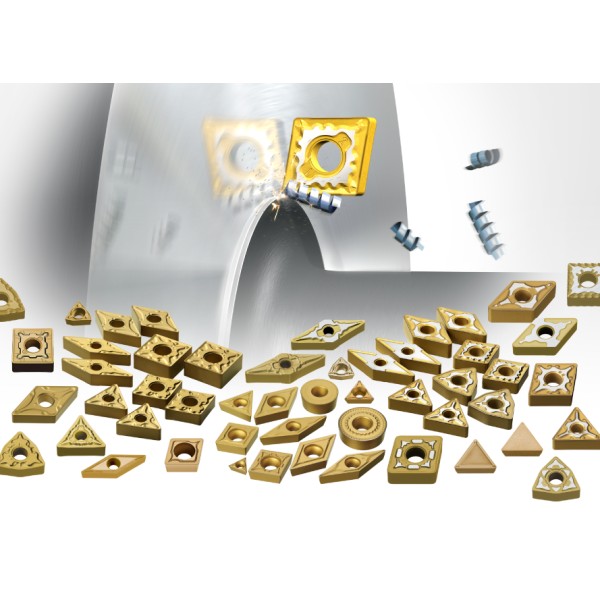
What are the basics of turning inserts?
Turning inserts are cutting tools that enable high-precision and efficient metal machining. Proper selection and management are crucial factors affecting the quality of machining.
Table of Contents
1. Role and Types of Turning Inserts
2. Importance of Materials and Coatings
3. Machining Conditions and Application Areas
4. Reasons to Recommend Mitsubishi Materials' Turning Inserts
1. Role and Types of Turning Inserts
Turning inserts are interchangeable cutting edges used for metal machining with lathes. These inserts meet diverse requirements based on their shape, material, and coating. Popular types include triangular, square, and rhombic shapes according to ISO standards.
2. Importance of Materials and Coatings
Insert materials include carbide, ceramic, and CBN (Cubic Boron Nitride). These materials offer high durability and wear resistance. Coatings such as TiN, TiCN, and Al2O3 enhance the lifespan and performance of the inserts.
3. Machining Conditions and Application Areas
Turning inserts deliver optimal performance when used under appropriate conditions, such as cutting speed, feed rate, and depth of cut. Application areas range from automotive parts and aerospace components to industrial machinery parts.
4. Reasons to Recommend Mitsubishi Materials' Turning Inserts
Mitsubishi Materials' turning inserts offer high cutting performance and durability. With the latest coating technology and unique material compositions, they ensure stable performance under various machining conditions. Additionally, they provide a wide range of products and comprehensive support to excellently meet user needs.
■ For more details, please download the PDF file or contact us.
CONTACT
Contact FormCompany Information
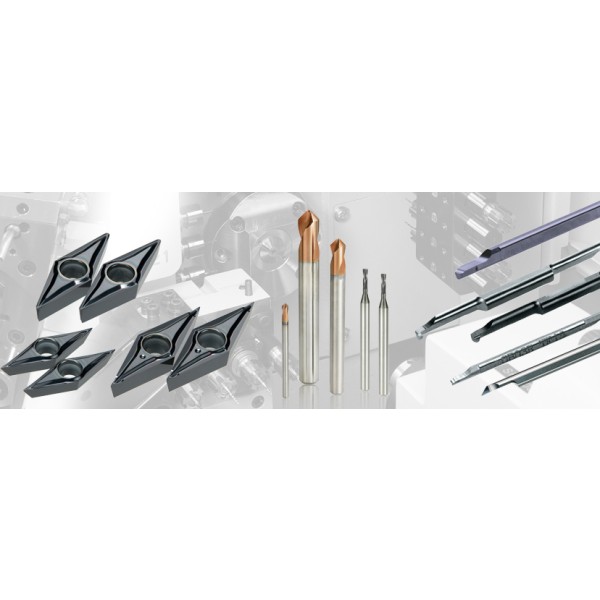
Jigs and tools
Turning Tools / Rotary Tools / Drilling Tools
Mitsubishi Materials carbide tools provide innovative cutting tools and solutions to customers worldwide.