_d14c9c1b-9850-49e8-adfb-d520564df20c.png)
KNOWLEDGE
Knowledge
Technology and Services
What Is Pad Printing?|How Curved-Surface Printing Works on Golf Balls
2026-08-25
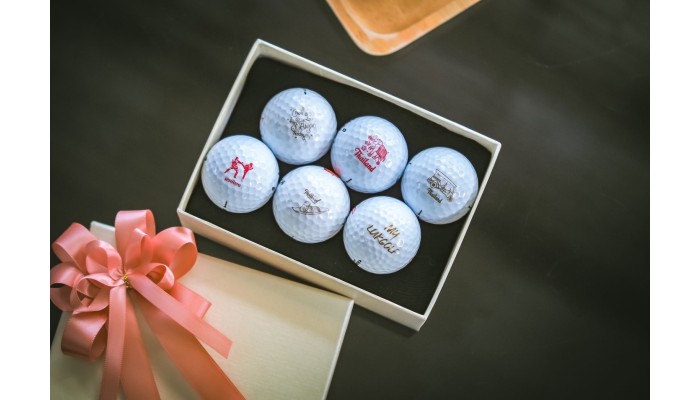
When printing designs on curved workpieces in Thailand, manufacturers often encounter uneven ink coverage or distorted images due to airborne dust and solvent evaporation caused by air conditioning fans. Pad printing addresses these issues by transferring ink onto 3D objects through a silicone pad, producing clear and accurate results. Are you experiencing quality issues when printing on golf balls or curved plastic components?
Table of Contents
- Limitations of Screen Printing on Curved Plastic Surfaces
- Golf Ball Dimples and the Causes of Incomplete Designs
- Steel Cliché Depth and Silicone Pad Hardness
- What Tokuabe Thailand Can Do
- Frequently Asked Questions
- Key Terms for Understanding This Article
■ Limitations of Screen Printing on Curved Plastic Surfaces
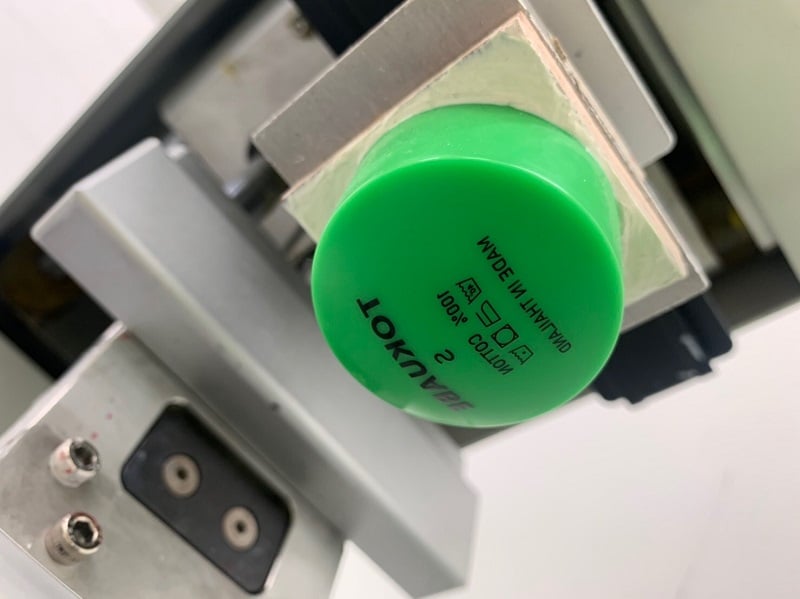
Flat screen printing has significant limitations when used on cylindrical, concave, curved, or three-dimensional objects. Because the screen cannot apply pressure evenly or remain parallel to the plastic workpiece, the printed design may stretch, shrink, or become distorted. Pad printing, by contrast, uses a highly flexible silicone pad. The pad is pressed onto the printing plate to pick up the ink and then pressed firmly against the curved workpiece. This allows fine details to be reproduced evenly while maintaining the accuracy of the printed lines.
■ Golf Ball Dimples and the Causes of Incomplete Designs
A typical golf ball has approximately 300 to 500 small dimples, each measuring around 0.01 to 0.25 millimeters in depth, which help generate lift in the air. These dimples create an uneven surface and can trap air, resulting in air bubbles in the printed areas. This may lead to uneven ink coverage or missing portions of the design. The issue can be improved by using a pointed silicone pad that pushes trapped air outward from the center during printing. Controlling the viscosity of the ink also helps prevent it from spreading over the edges of the dimples.
■ Steel Cliché Depth and Silicone Pad Hardness
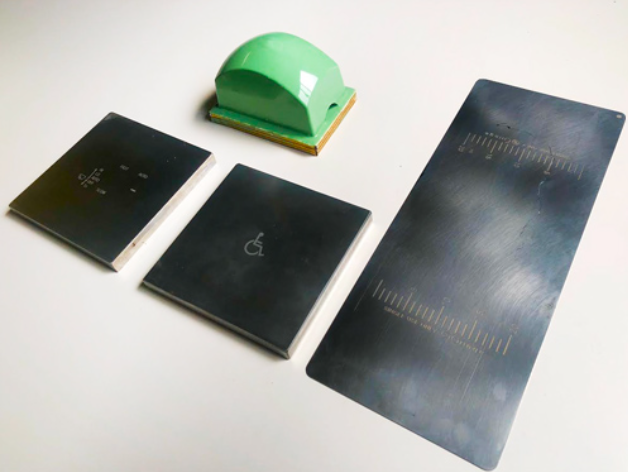
High-quality Type S steel clichés have a depth tolerance of just 2 microns and can reproduce line widths as fine as 0.07 millimeters. The hardness of the silicone pad must also be selected according to the shape of the workpiece. A pad that is too soft may deform easily, while one that is too hard may apply excessive pressure and leave dents or damage the plastic workpiece.
Comparison Table of Steel Cliché Types and Depth Tolerances
| Guaranteed Depth Tolerance | Key Quality Features |
Type S Material | ±2 microns | Japanese-grade quality with exceptional precision. Accurately reproduces fine, sharp line details and offers excellent resistance to rust and corrosion. |
Type B Material | ±4 microns | Designed primarily for cost-effectiveness while maintaining the high quality standards expected in the Asian market. It also offers excellent reusability. |
■ What Tokuabe Thailand Can Do
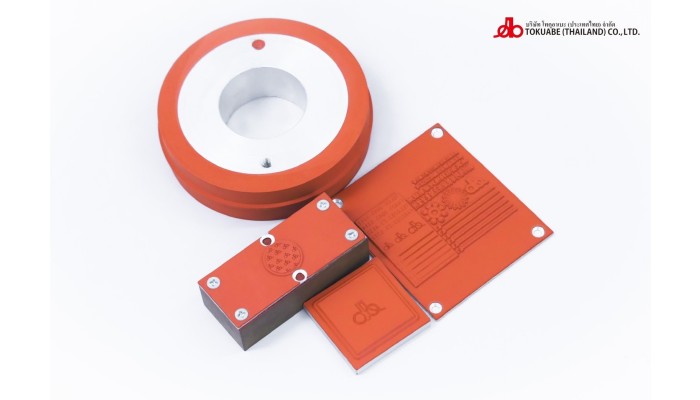
We provide specialized printing expertise and technology from our headquarters in Japan, which has more than 60 years of experience, to help address production issues at your factory. Tokuabe Thailand offers comprehensive solutions ranging from high precision steel clichés, silicone pads available in more than 200 shapes, and ink doctor blades to actual print trials for evaluating ink durability before industrial production begins.
The key factors to consider are the material type, the shape of the product, and the design to be printed. If your requirements do not match the conditions described above, please contact us for further information.
※For more information, please download the PDF attached to this article or complete the form below to submit an inquiry.
■ Frequently Asked Questions
Q1:What is the difference between steel clichés with thicknesses of 0.5 mm and 10 mm?
A1:The thickness of a steel cliché affects its service life. A 0.5 mm steel cliché can be used for approximately 50,000 printing cycles, while a 10 mm steel cliché can support up to 500,000 cycles because of its greater durability.
Q2:What causes fiber contamination in pad printing, and how can it be resolved?
A2:Fiber contamination often occurs when static electricity builds up under dry conditions. It can be addressed by increasing the humidity in the work area or by using a Type N silicone pad designed to prevent static electricity.
Q3:Does the service life of a silicone pad depend on the shape of the workpiece?
A3:No. The shape of the workpiece does not directly affect the pad’s service life. The main factors are excessive pad pressure, which can shorten its lifespan, and the chemical strength of the solvent mixed into the printing ink, which can accelerate silicone deterioration.
■ Key Terms for Understanding This Article
- Silicone Pad : A silicone printing head that picks up ink and transfers it onto a curved 3D object
- Steel Cliché : A steel plate etched with fine design grooves as narrow as 0.07 millimeters
- to hold printing ink
- Jig : A custom-formed fixture used to hold a plastic workpiece securely and maintain consistent printing position
※For more information, please download the PDF attached to this article or complete the form below to submit an inquiry.
Company Information
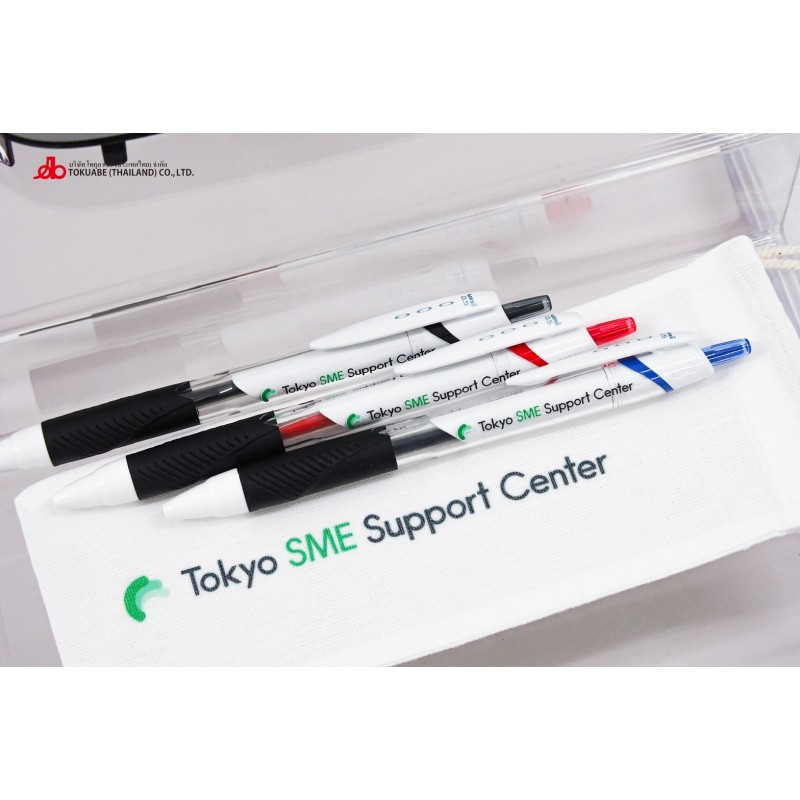
Pad printing services / Printing materials / Printing consultation services
Tokuabe (Thailand) Co., Ltd. was established in December 2014 as part of Tokushu Abe Seihanjo Co.Ltd., Japan, a company with over 60 years of expertise. We bring proven Japanese knowledge and techniqu ...

PICKUP
Technology & Services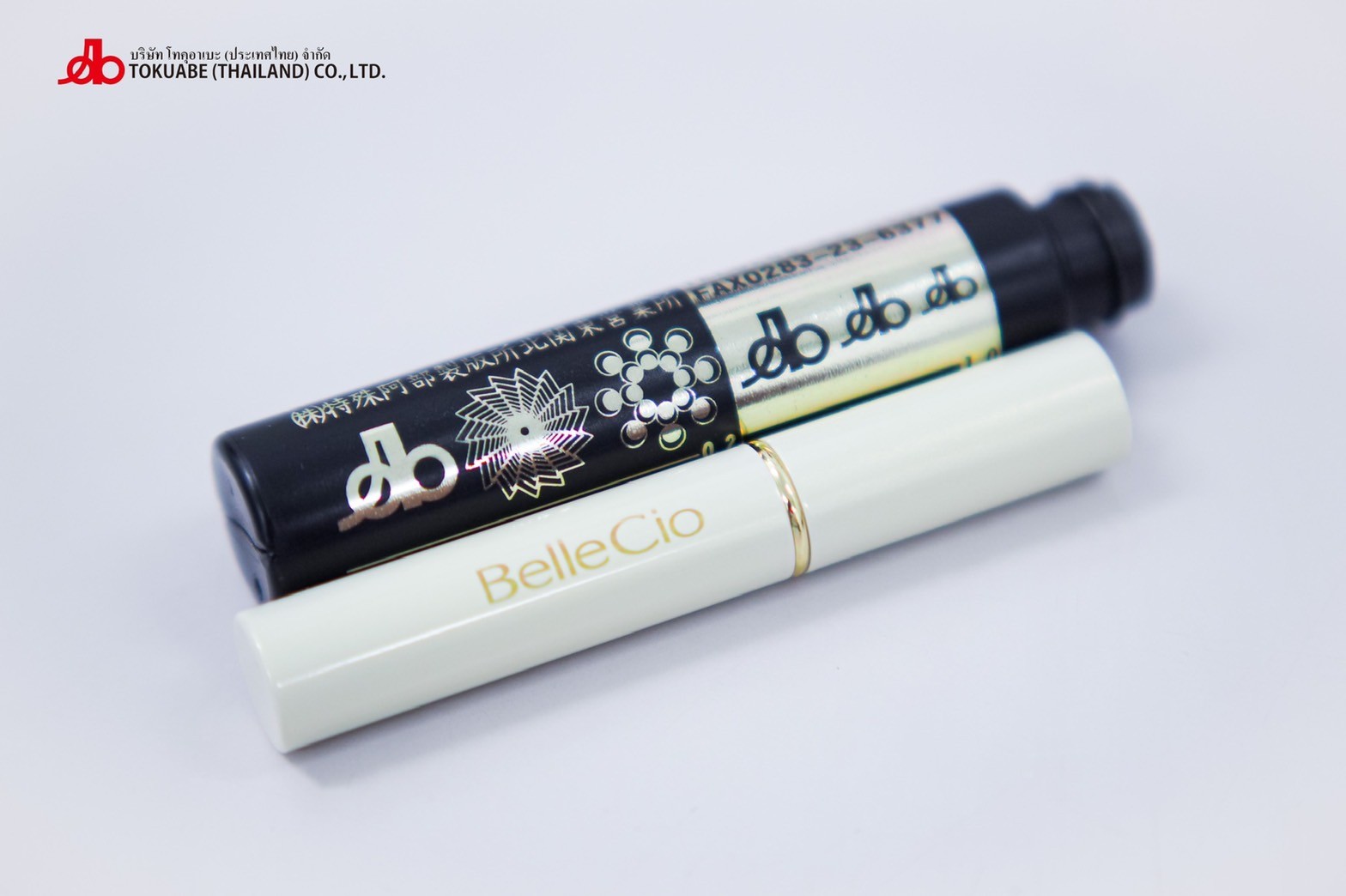
CONTACT
Contact