
KNOWLEDGE
Knowledge
Technology and Services
【Mold Polishing】 Mechanization and Automation of Inconsistent Hand-Polishing Processes to Improve Quality
2026-06-23
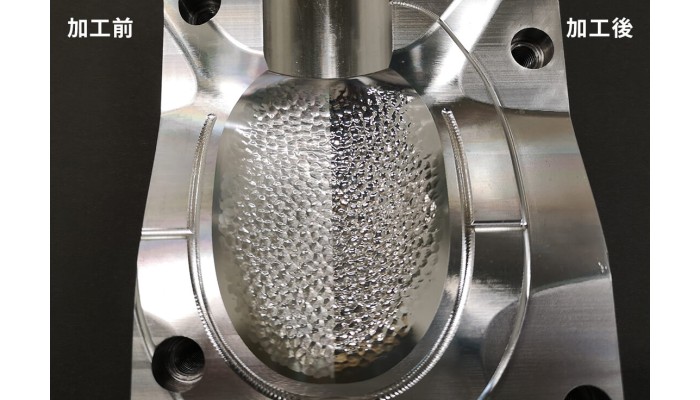
At manufacturing sites in Thailand, mold polishing (mold burnishing) processes frequently face challenges such as finish inconsistencies due to manual labor, heavy reliance on highly skilled operators, and prolonged polishing hours.
Particularly in the maintenance processes for plastic molding, rubber molding, die-casting, and precision molds, the surface condition of the mold significantly impacts the appearance quality, mold release properties, mold lifespan, and production efficiency of the molded products. On the other hand, continuing to rely on manual hand-polishing often leads to quality discrepancies between operators and prolonged delivery times, which can become a bottleneck for the entire production line.
This article outlines the challenges associated with hand-polishing operations and explains the mechanization and automation of mold polishing using the "SIRIUS-Z" dry-jet mirror finishing system.
Table of Contents
- Bottlenecks and quality variations associated with manual hand-polishing
- Dry mirror finishing technology using specialized elastic abrasives
- Advantages of implementing an automated system
- Processing examples and effects in mold burnishing
- Mold polishing services and solutions available for consultation in Thailand
- Frequently Asked Questions (FAQ)
- Key terms for understanding this article
Bottlenecks and quality variations associated with manual hand-polishing
Mold polishing is a critical finishing process that affects the appearance, transparency, mold release, dimensional accuracy, and lifespan of molded products. By smoothing out the white layer (re-cast layer) after electrical discharge machining (EDM), tool marks, and microscopic irregularities, it helps reduce molding defects and improve maintenance efficiency. However, when relying on manual labor for mold polishing, the following issues are likely to occur:
- Finishing quality varies depending on the skill level of the operator.
- Gloss and surface roughness fluctuate across the same mold depending on the person and working hours.
- Quality is difficult to stabilize due to fatigue from long hours of work.
- Polishing narrow grooves, deep ribs, inner diameters, and corners takes an extensive amount of time.
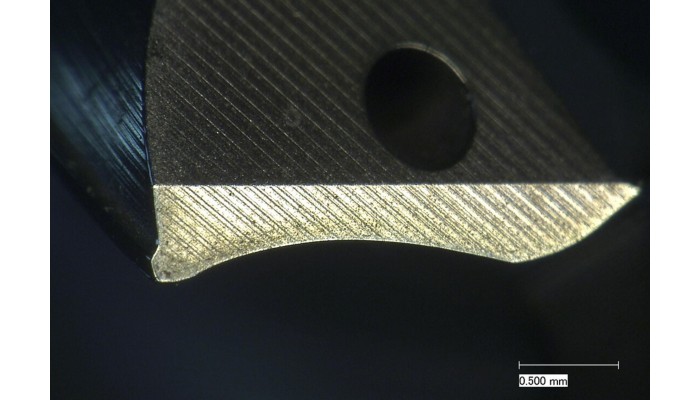
- Edges risk becoming rounded, which can affect shape accuracy.
- Outsourcing to external vendors can lead to line stoppages or delivery delays while the mold is away.
Especially in manufacturing factories within Thailand, mold maintenance often depends heavily on local veterans. Therefore, reducing manpower, standardizing, and automating the hand-polishing process has become an important theme for both quality control and lead time reduction.
Dry mirror finishing technology using specialized elastic abrasives
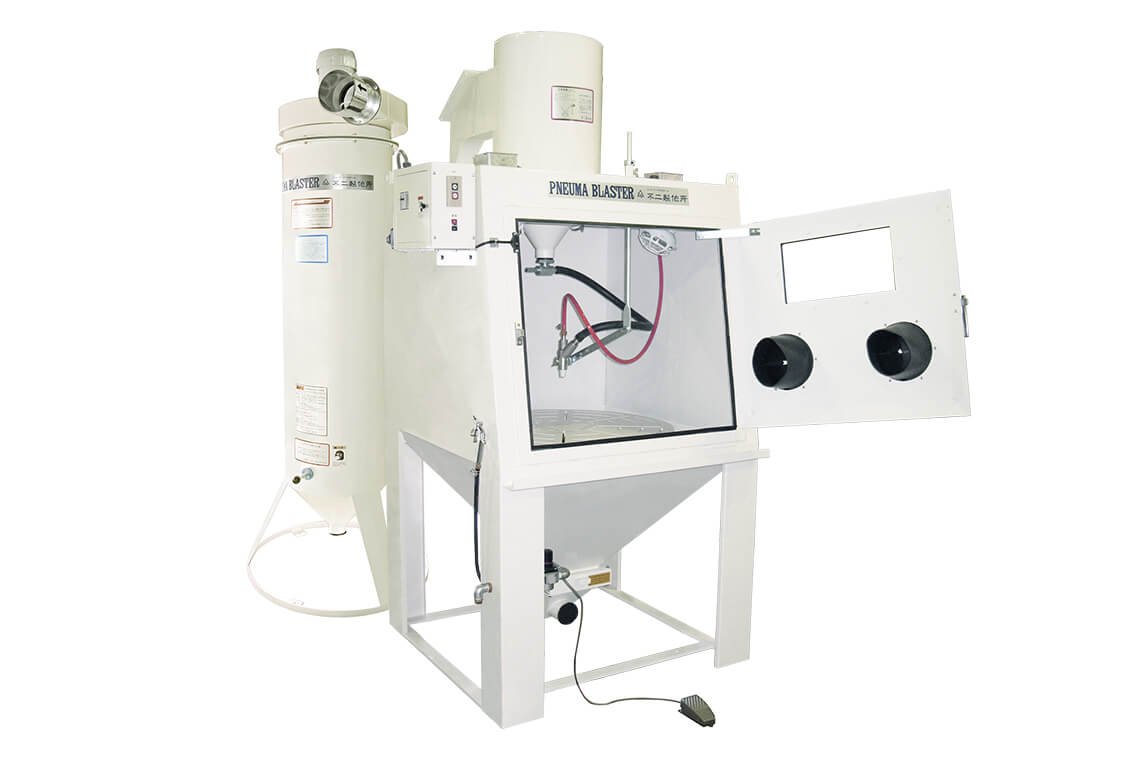
One method to suppress the individual dependency of the hand-polishing process is mechanization and automation using the dry-jet mirror finishing system "SIRIUS-Z."
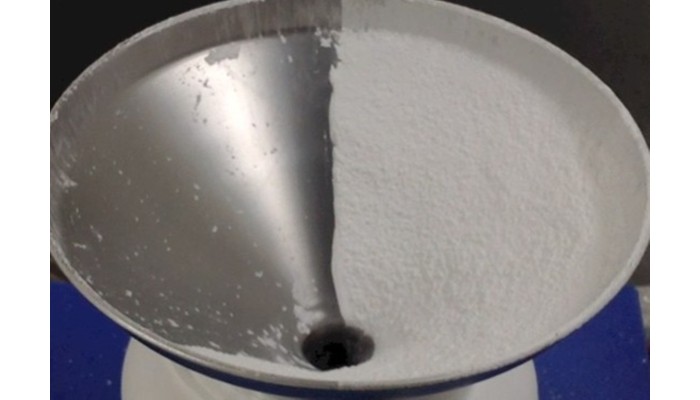
SIRIUS-Z is a dry-jet polishing method that embeds polishing abrasives into an elastic media core made of "SLIDE-RING MATERIAL" (a specialized polymer material) and projects it onto the workpiece surface at high speed using compressed air. When the media collides with the workpiece, it deforms along the surface shape. Instead of bouncing off immediately, it slides across the surface with a sliding motion to perform polishing. Therefore, it smooths out microscopic irregularities on the mold surface, aiming for a mirror finish and improvement in surface roughness.
Furthermore, because it utilizes a nozzle system, it is easy to direct the abrasive to targeted areas. Its key feature is its ability to easily handle not only flat surfaces but also 3D shapes, narrow grooves, inner diameters, and corners areas that are difficult to polish by hand or with conventional polishing tools.
Additionally, SIRIUS-Z is equipped with an automatic media recycling mechanism (in-line recycling). This makes it easy to maintain stable polishing performance even during prolonged use, suppressing the hassle of media operating hours management, replacement, and regeneration tasks. Consequently, this contributes to stabilizing quality during continuous processing and mass production.
Advantages of implementing an automated system
Transitioning mold polishing from manual work to automated jet polishing offers several expected advantages:
- Stabilization of Finishing Quality
By combining the system with robots or automated machinery, nozzle movement, processing time, and injection conditions can be held constant. This suppresses variations in the hand-polishing process which tends to depend on the operator's intuition and experience making it easier to stabilize the finishing quality for every mold.
- Reduction in Processing Time
Maintenance and finishing tasks that take several days by hand can see a reduction in working hours through mechanization. Especially for molds with the same shape or workpieces requiring repetitive maintenance, standardizing processing conditions leads to shorter lead times and easier production planning.
- Polishing with Suppressed Shape Alteration
Because the elastic media of SIRIUS-Z deforms along the surface shape of the workpiece during polishing, it achieves a finish that suppresses shape alteration at edges and corners. For precision molds or molds with micro-shapes, optimal processing conditions matching the required accuracy can be confirmed by conducting advance test processing.
- Compatibility with Complex Shapes and Fine Details
Since it is a jet process driven by compressed air, it easily accommodates polishing narrow grooves, inner diameters, bottomed holes, and corners as long as the airflow can reach them. It is highly effective for smoothing fine details that take time by hand or improving surface roughness in areas where conventional tools cannot enter.
- Labor-saving, Overnight Operation, and Mass Production Support
Introducing robot-mounted or automated table-type equipment enables continuous processing of molds and parts under fixed conditions. For factories aiming to reduce operator burden, save manpower, run overnight operations, and stabilize quality during mass production, automating the mold polishing process is an effective choice.
Mold burnishing examples and effects
SIRIUS-Z is utilized for mirror finishing and surface roughness improvement across various workpieces, including molds, tools, and precision parts.
- Hardened Steel Mold (STAVAX Material)
In an example where die-sinking EDM was applied to a hardened STAVAX material and processed with SIRIUS-Z for approximately 45 minutes, data shows that the surface roughness improved from an initial Ra of approximately 0.3 μm down to an Ra of approximately 0.04 μm. This is suitable for applications aiming to smooth the surface after electrical discharge machining and improve mold release or molding quality.
- Light-Diffusion Lens Mold (NAK80 Material)
In an example of a light-diffusion lens mold, data shows that the surface roughness was improved from Ra 0.094 μm to Ra 0.044 μm. For molds related to optical components or transparent resin parts, management of the surface condition directly links to the quality of the molded product, making processing under stable polishing conditions essential.
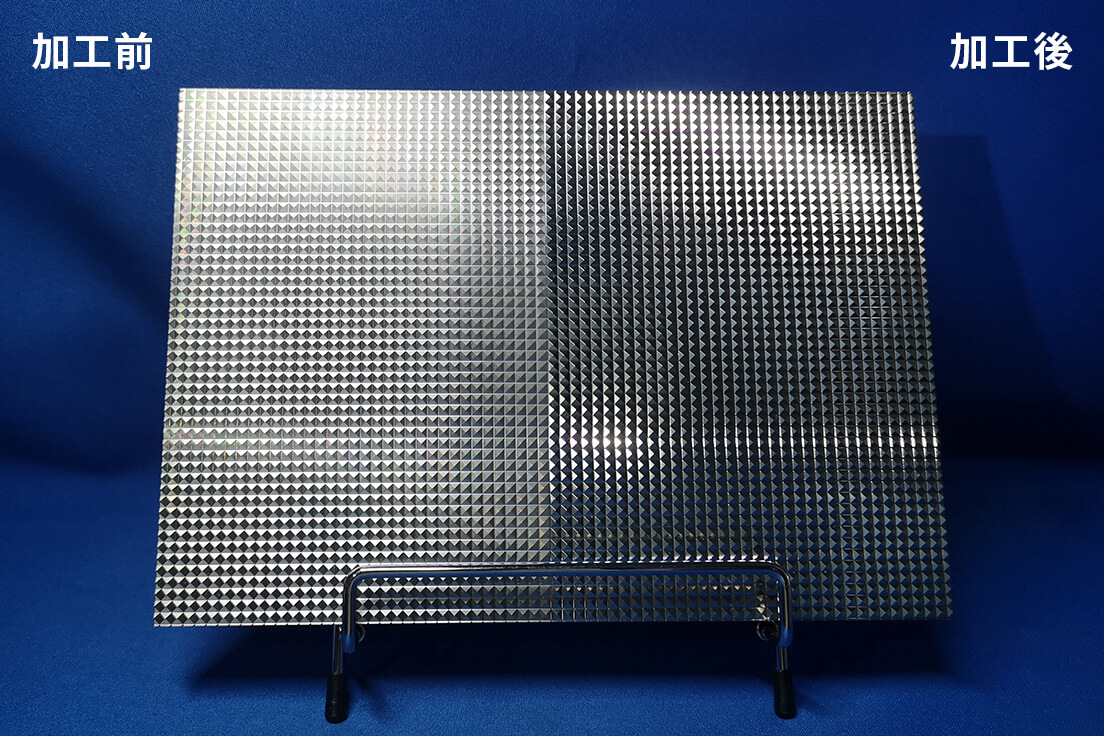
- Plastic Mold (NAK80 Material)
For plastic molds, achieving a uniform finish on the mold surface can be expected to improve mold release, stabilize molding quality, and extend mold lifespan. Especially when the objective is to remove fine tool marks and altered layers from machining or to reduce molding defects, surface improvement via SIRIUS-Z is highly effective.
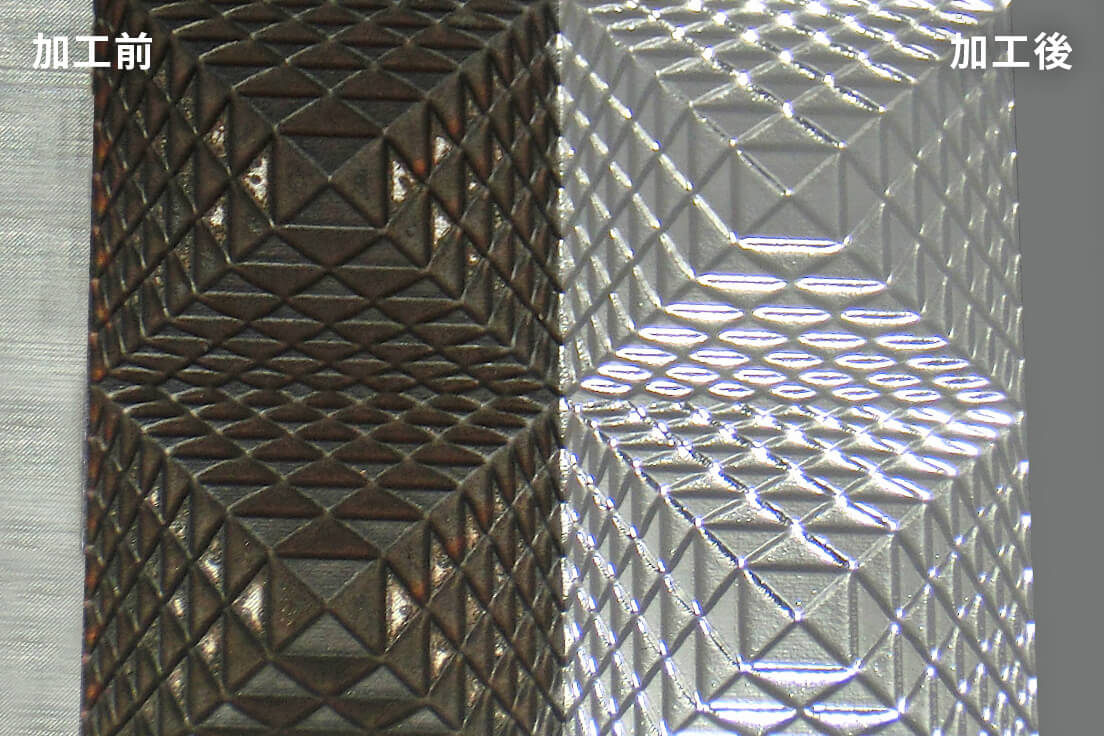
Mold polishing services and solutions available for consultation in Thailand
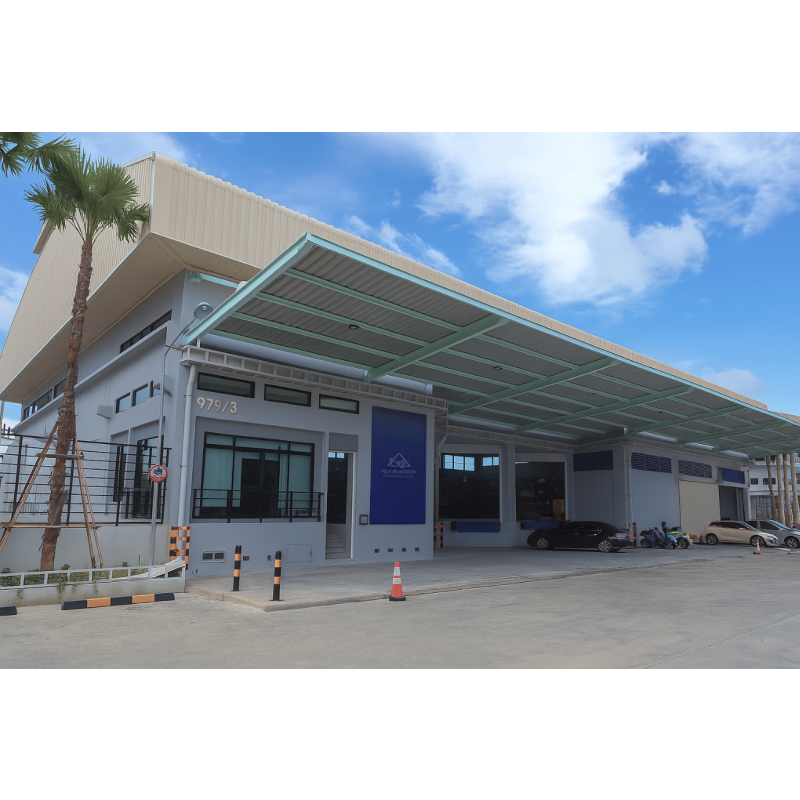
Fuji Blastech (Thailand) Co., Ltd. is a specialized enterprise providing blast processing, surface modification, mold polishing, contract processing, and equipment proposals locally in Thailand. Depending on your challenges, we can offer proposals such as:
- Consultation on automating the mold polishing process
- Test processing using SIRIUS-Z
- Contract blast processing for molds, tools, and precision parts
- Comparative evaluations against existing processes
- Study of processing conditions with a view toward mass production
- Proposals for automated machinery and robot-mounted equipment
Even if it is difficult to introduce the equipment immediately, you can first confirm its effectiveness through contract processing using actual workpieces or test pieces. Since test processing and technical consultations can be carried out locally within Thailand, you can evaluate improvements to your mold polishing process while suppressing the time and costs associated with shipping to Japan.
Frequently Asked Questions (FAQ)
Q: Can SIRIUS-Z polish narrow slits, deep ribs, and fine grooves in molds?
A: As long as the airflow can reach the area, it can handle polishing fine grooves, inner diameters, and corners. Because it uses a nozzle system, it easily projects media at targeted locations, making it highly compatible with shapes that are difficult to polish by hand or with conventional tools. Since the optimal nozzle and processing conditions differ depending on the shape, we recommend advanced test processing.
Q: Is there any concern that jet polishing will alter the dimensional accuracy of the mold?
A: SIRIUS-Z is suitable for polishing that smooths the surface while suppressing shape alteration. However, the impact varies depending on the material, surface roughness, required tolerances, processing time, and treatment conditions. For precision molds or workpieces with strict tolerance management, we recommend performing advance test processing and measurements to confirm if required specifications are met.
Q: What are the advantages of the automatic media recycling mechanism?
A: The automatic media recycling mechanism makes it easy to maintain stable polishing performance even during prolonged use. This suppresses the hassle of managing media operating hours, replacements, and regeneration tasks, contributing to quality stabilization during continuous processing and mass production.
Q: Compared to hand-polishing, what kind of processes is it best suited for?
A: It is suited for processes where you want to suppress finishing variations between operators, areas that are difficult to polish by hand such as fine grooves and inner diameters, mold maintenance requiring repetitive treatment under identical conditions, and surface roughness improvement for mass-produced parts. Conversely, for processes that require heavy removal of coarse tool marks, pre-treatment or a combination with alternative methods may be required.
Q: Can I confirm the effectiveness before introducing the equipment?
A: Yes. Through test processing using your actual molds or test pieces, you can confirm surface roughness, appearance, mold release properties, cleanability, and processing time. It is entirely possible to first verify the effects via contract processing, and subsequently consider equipment introduction or automation.
Key terms for understanding this article
- SLIDE-RING MATERIAL: A specialized polymer material featuring low resilience and excellent elasticity. Used as the core of SIRIUS-Z media, it deforms along the surface shape of the workpiece to polish with a sliding, rubbing motion.
- Dry-Jet Mirror Finishing: A polishing method that uses compressed air to project polishing media without using water or chemical solutions, achieving a smooth finish on metal, tool, and mold surfaces. It is characterized by its high compatibility with fine grooves, inner diameters, and 3D shapes.
- In-Line Media Recycling: A mechanism that automatically regenerates and manages media inside the equipment. It suppresses drops in polishing performance during extended operations, contributing to stable finishing quality and reducing the hassle of media management.
※ For requests regarding test processing using actual workpieces or consultations on automating your mold polishing process, please feel free to contact Fuji Blastech (Thailand) Co., Ltd.
Company Information
Industrial machinery
Sales Blast Machines / Consumables and Abrasives / Contract Blasting Services
At FUJI BLASTECH, our mission is to deliver products and services that continuously evolve at the forefront of the industry. Since our founding, we have operated under a robust quality control system, ...
PICKUP
Technology & Services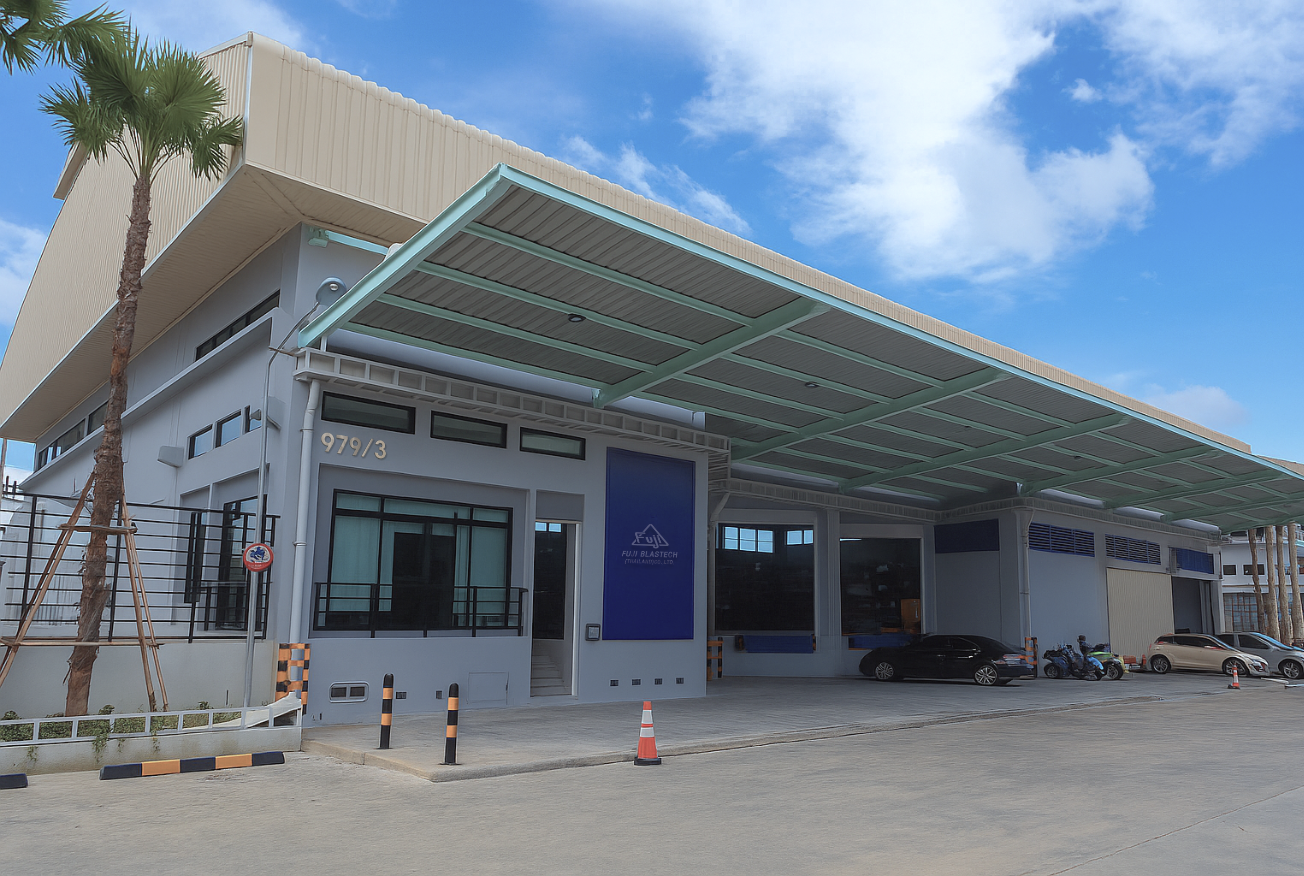
CONTACT
Contact