


Knowledge List
-

Final Rinse — Controlling Micron-Level Residue for Long-Term Stability of Electronic Components
In electronics and precision-parts manufacturing, cleanliness cannot be judged by visual inspection ...
-

Principles for Selecting Cleaning Agents for Electronic Components and Precision Parts
In electronics, semiconductor, and precision-parts manufacturing, cleaning affects more than the rem ...
-

Metal Compatibility Analysis | Why Fluoro Solvent Does Not Corrode Steel, Aluminum, and Copper
Metal cleaning is not only about removing oil, resin, and other contaminants. The cleaning agent its ...
-

Reducing Defect Scrap Rates in Molded Part Printing: Increasing Yield in the Pad Printing Process Through Proper Material Selection Techniques
TOKUABE (THAILAND) CO., LTD. provides comprehensive pad printing services and technical solutions fo ...
-

How Many Hardness Levels Does a Silicone Pad Have, and How Should You Select One to Suit the Workpiece Shape?
When changing from a flat surface workpiece to one with a curved surface, edges, or different height ...
-

High NG Rate When Printing a Logo on Curved Workpieces: How to Reduce the Number of NG Parts
Printing a logo on a curved workpiece is often more difficult to control than printing on a flat sur ...
-
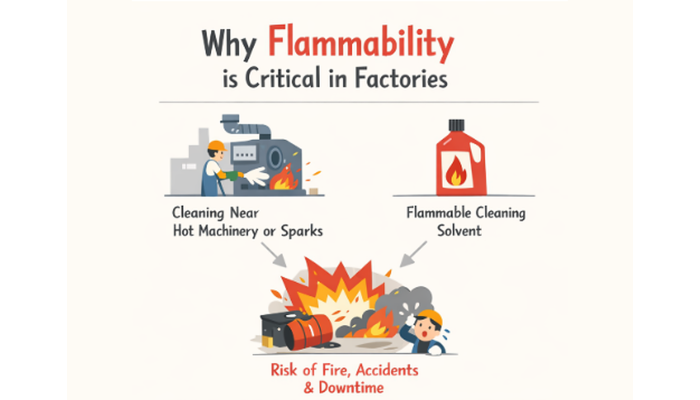
Why Non-Flammable Cleaning Solvents Are Critical for Factory Safety
Industrial cleaning solvents are frequently used near heat sources, motors, machinery, and electrica ...
-
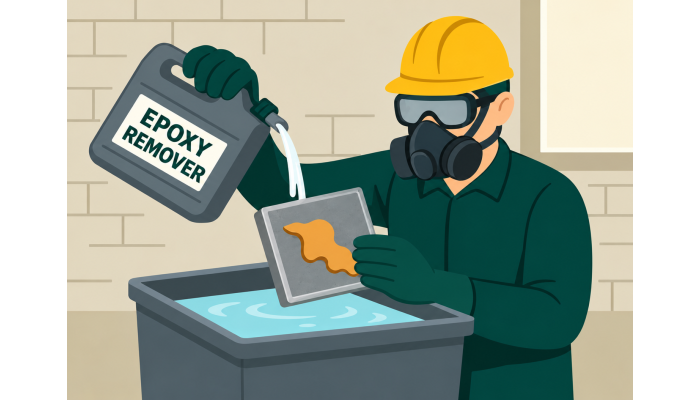
Comparison of Epoxy Removers | Field Guidelines for Proper Selection
The right epoxy remover should act fast, be safe for operators, and simplify fieldwork—helping facto ...
-
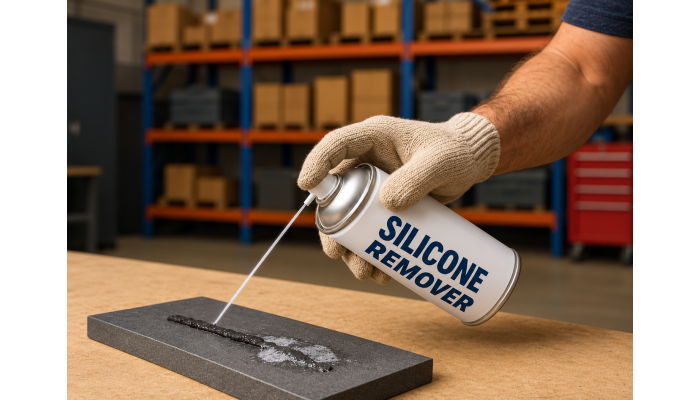
Silicone Remover Selection Guide | Avoid Surface Damage, Incomplete Removal & Downtime
Using the wrong silicone remover can cause serious problems—surface damage, incomplete cleaning, and ...
-
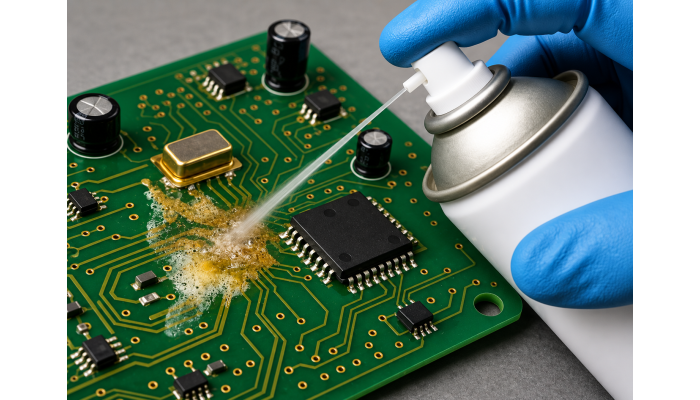
Flux Cleaner | How to Reduce Leakage Current in Circuit Boards
Proper removal of flux residue is essential to reduce leakage current and extend the life of circuit ...
