_8b61f9d7-8c67-4be0-948a-f747539ca760.png)
KNOWLEDGE
Knowledge
Producer goods
【Considering Alternative Materials to PEEK】Key Considerations for Switching to PPS Based on Heat-Resistance Requirements
2026-10-27

PEEK is a high-performance engineering plastic known for its excellent heat resistance, chemical resistance, and mechanical properties. It is a strong candidate for components used in high-temperature environments or under demanding operating conditions. However, depending on the application, some components may not require the full level of performance offered by PEEK.
When considering alternative materials, it is not enough to simply conclude that "PPS is suitable because the operating temperature is 200°C." Heat resistance can be evaluated using several different criteria, and factors such as mechanical loads at elevated temperatures and exposure to chemicals can also affect component performance.
This article explains the key heat-resistance considerations when evaluating PPS as an alternative to PEEK, the characteristics of both materials, and the important factors to check before making a material change.
Table of Contents
- Why a Heat-Resistance Temperature of 200°C Alone Is Not Enough to Select a Material
- Characteristics of PEEK and PPS and How to Choose Between Them
- Conditions to Check Beyond Heat Resistance
- Why Different Grades of PEEK and PPS Have Different Properties
- Case Study: Switching from PEEK to PPS After Reviewing Heat-Resistance Requirements
- Frequently Asked Questions
■ Why a Heat-Resistance Temperature of 200°C Alone Is Not Enough to Select a Material
When selecting heat-resistant plastics, one important consideration is the maximum temperature at which the material can be used. However, a material's heat resistance cannot be evaluated based on a single temperature value.
Material datasheets typically provide several temperature-related indicators, such as melting point, heat deflection temperature (HDT), and continuous service temperature. Each indicator has a different meaning, so it is not appropriate to assume that the highest temperature listed represents the maximum temperature at which a component can be used.
For components in actual operating conditions, it is also necessary to consider differences such as:
- Whether the component will be used continuously at temperatures around 200°C
- Whether the component normally operates at lower temperatures and only temporarily reaches 200°C
- Whether the component will be subjected to mechanical loads at elevated temperatures
- Whether the component will undergo repeated heating and cooling cycles
The strength, stiffness, and tendency of plastics to deform can change with temperature. In particular, components subjected to mechanical loads may experience progressive deformation during prolonged use, even when the operating temperature is within the material's specified heat-resistance range.
Therefore, selecting a heat-resistant material requires evaluating not only the maximum operating temperature but also the duration of exposure, temperature fluctuations, and the presence of mechanical loads.
■ Characteristics of PEEK and PPS and How to Choose Between Them
PEEK and PPS are both high-performance engineering plastics used in applications involving elevated temperatures or chemical exposure. However, they differ in material properties and cost.
Comparison Item | PEEK | PPS |
Heat Resistance | Suitable for applications involving more demanding high-temperature conditions | Used in high-temperature environments |
Mechanical Properties | Used in applications requiring strength and stiffness at elevated temperatures | Available in grades offering high stiffness |
Chemical Resistance | Used in environments involving exposure to a wide range of chemicals | Offers excellent chemical resistance |
Water Absorption | Low | Low |
Sliding and Wear | Available in grades designed for sliding applications | Also available in grades designed for sliding applications |
Cost | Generally tends to be more expensive than PPS | May offer lower material costs compared with PEEK |
PEEK is often selected for applications involving more demanding temperature conditions or where mechanical properties must be maintained at elevated temperatures.
PPS also offers heat resistance and chemical resistance, making it a potential alternative to PEEK depending on the performance requirements of the component.
■ Conditions to Check Beyond Heat Resistance
When considering a change from PEEK to PPS, it is necessary to evaluate conditions beyond heat resistance.
For components exposed to chemicals, the effects on the material can vary depending on the type of chemical, its concentration, temperature, and duration of exposure. When chemicals are present at elevated temperatures, both temperature conditions and chemical resistance must be evaluated together.
For components subjected to mechanical loads, it is important to consider not only the required strength and stiffness but also deformation under prolonged loading. This is particularly important in high-temperature environments, where a material's mechanical properties may differ from those at room temperature.
For sliding components, wear behavior varies depending on the mating material, contact pressure, and operating speed. Even if a material meets the heat-resistance requirements, switching materials may be difficult if it is not suitable for the sliding conditions.
Dimensional stability is another important consideration for precision components. It is necessary to verify whether dimensional changes caused by temperature fluctuations or water absorption could affect the required tolerances.
When switching from PEEK to PPS, these conditions must be reviewed to determine whether PPS can meet the performance requirements of the component.
■ Why Different Grades of PEEK and PPS Have Different Properties
Material selection requires consideration not only of the polymer type, whether PEEK or PPS, but also of the specific material grade.
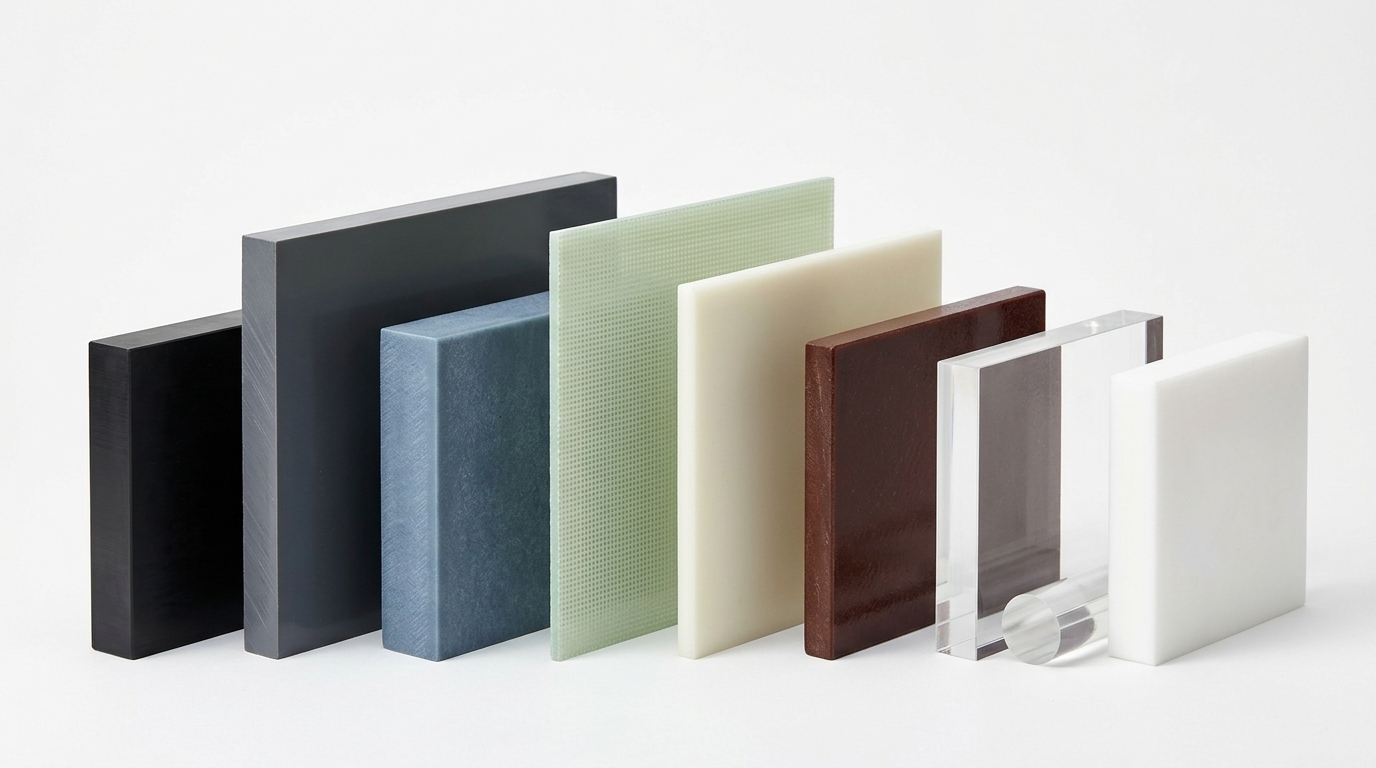
Both PEEK and PPS are available in various grades, including unreinforced grades, reinforced grades containing glass fibers or carbon fibers, and grades designed for sliding applications.
Properties that may vary depending on the grade include:
- Strength and stiffness
- Dimensional stability
- Wear properties
- Thermal expansion
- Machinability
For example, fiber-reinforced grades differ from unreinforced grades not only in their mechanical properties but also in their behavior during machining. Therefore, rather than making a decision based solely on the material name "PEEK" or "PPS," it is important to confirm the manufacturer and grade of both the currently used material and the proposed alternative.
To maintain the required component performance after a material change, the comparison must include not only the polymer type but also the specific grade that will be used.
■ Case Study: Switching from PEEK to PPS After Reviewing Heat-Resistance Requirements
Technoplast (Thailand) previously received an inquiry from a customer who wanted to use PEEK for a component.
The customer initially approached the company with the intention of using PEEK. However, after reviewing the actual application and operating environment, it became clear that the main performance requirement for the component was heat resistance of approximately 200°C.
The company therefore reconsidered whether the full performance of PEEK was necessary and proposed switching to PPS, which could meet the required heat-resistance specifications while reducing material costs. As a result, the component's required performance was maintained while achieving cost savings.
This case demonstrates that reviewing the actual operating conditions, rather than automatically selecting the material originally specified, may reveal opportunities to use an alternative material.
Technoplast not only provides material procurement and machining services based on customer specifications but also supports material reassessment by reviewing the intended application and required performance. Customers looking to review the cost of high-performance plastics such as PEEK, or to determine whether their current material is suitable for its intended application, are also welcome to consult the company.
■ Frequently Asked Questions
Q1: Can PEEK be replaced with PPS for components used at temperatures around 200°C?
A1: The feasibility of changing materials cannot be determined based on temperature alone. Actual operating conditions must be reviewed, including whether the component is continuously exposed to high temperatures and whether mechanical loads are applied at elevated temperatures.
Q2: How should PEEK and PPS be selected for different applications?
A2: Material selection depends on the performance requirements of the component, including heat resistance, mechanical properties, chemical resistance, sliding conditions, and dimensional stability. PEEK may be more suitable for applications involving more demanding high-temperature conditions or stricter mechanical property requirements.
Q3: Are all PPS grades interchangeable?
A3: No. Different grades, including unreinforced, fiber-reinforced, and sliding grades, have different mechanical properties, dimensional stability, and machinability.
Q4: Can we consult you about changing materials even if we are already planning to use PEEK?
A4: Yes. Technoplast has experience reviewing customer inquiries involving PEEK, evaluating the operating conditions, and proposing a switch to PPS.
Q5: Can switching from PEEK to PPS reduce costs?
A5: This depends on factors such as the material type, grade, size, and procurement conditions. However, if PPS can meet the required performance specifications, switching materials may provide an opportunity to review and reduce material costs.
※For more details, please download the materials or contact us using the inquiry form at the bottom of this page.
Company Information
Industrial machinery / Electronic parts
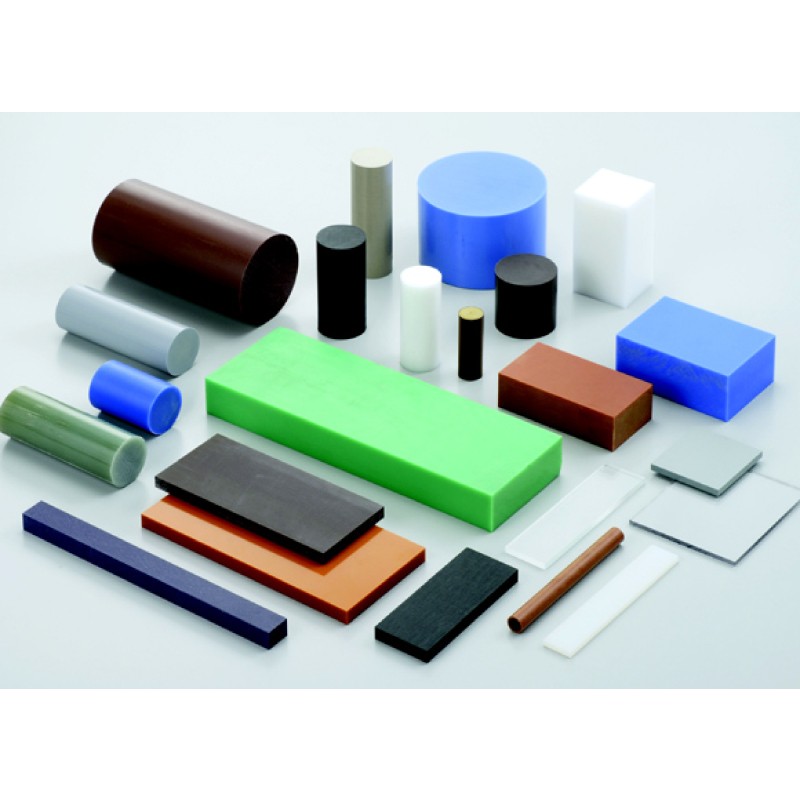
PEEK / PTFE / POM
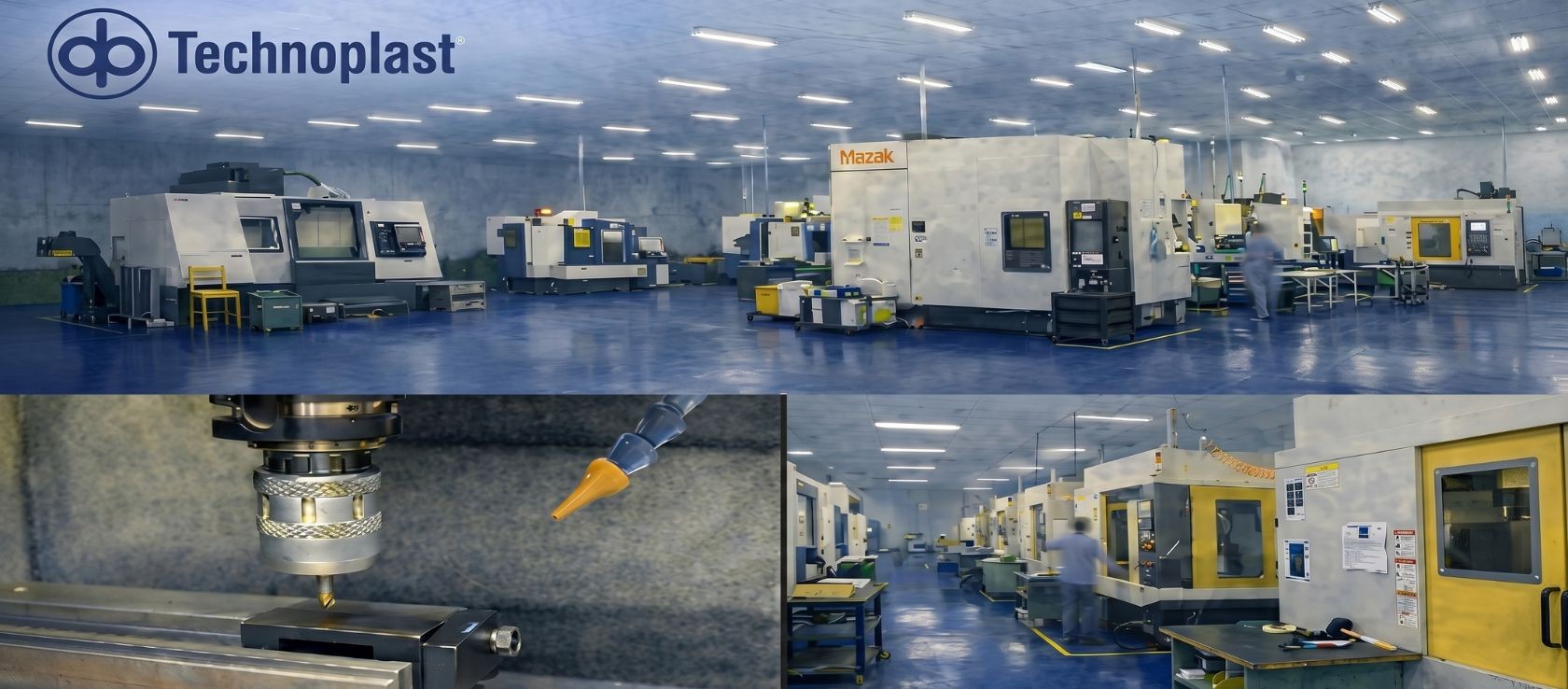
Our company performs plastic cutting processes such as machining in our own factory, specializing in high-precision, small-lot, multi-product manufacturing. With over 50 years of history and experienc ...
PICKUP
Technology & Services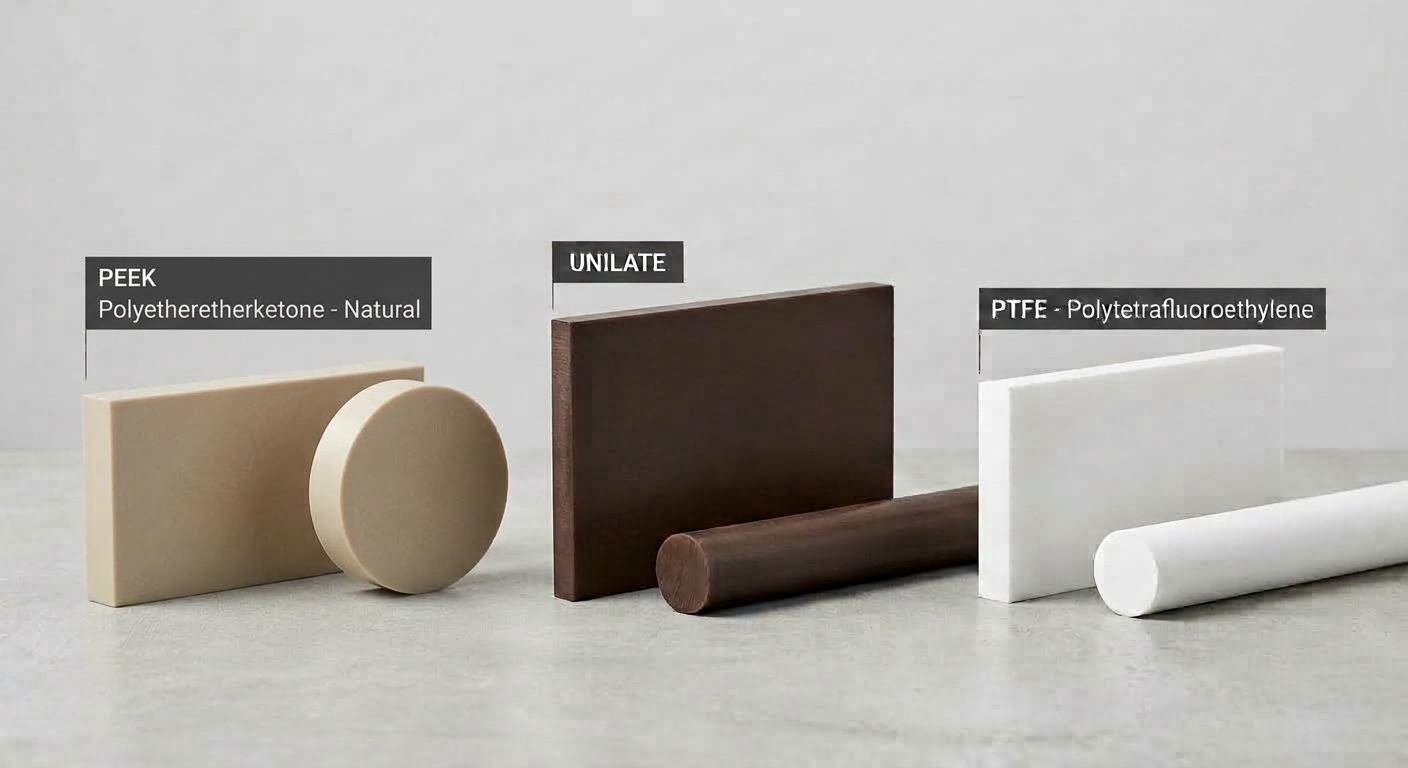
CONTACT
Contact