
SERVICES
Technology & Services
Rental Pallets for Exports to Japan | Reducing the Storage and Disposal Burden of One-Way Pallets
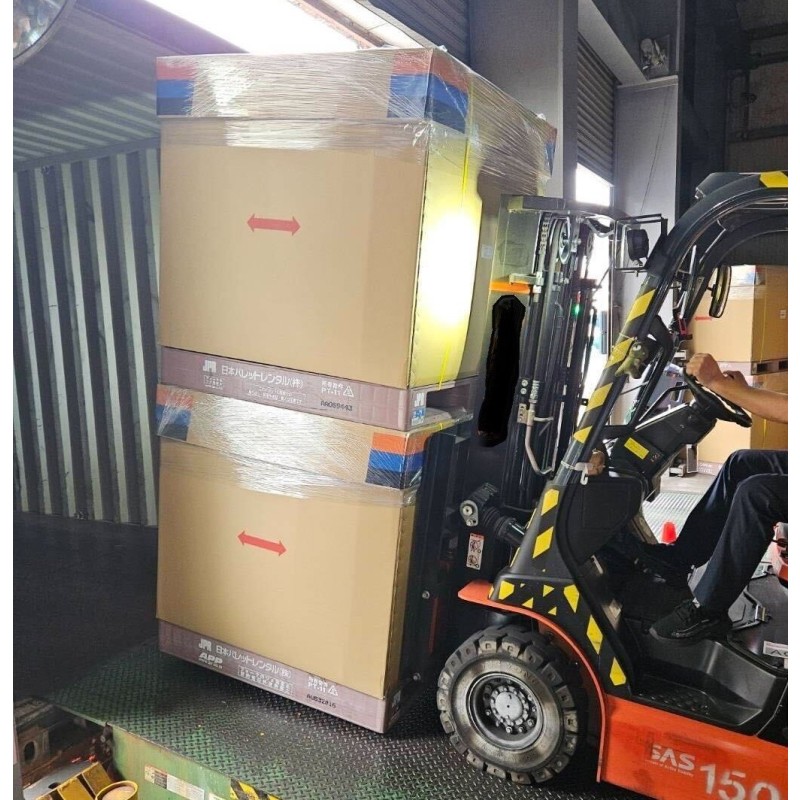
Far Eastern New Century Corporation (FENC) in Taiwan uses JPR rental pallets to transport PET bottle preforms to Japan.
By switching from disposable one-way pallets to reusable rental pallets, FENC has addressed the storage and disposal issues that previously arose in Japan. The system also helps make international logistics more efficient while reducing environmental impact.
Contents
- Transporting Preforms from Taiwan to Japan
- Challenges with One-Way Pallets
- How the JPR Rental Pallet System Works
- Benefits of Introducing Rental Pallets
- Preventing Load Slippage During Ocean Transport
- What JPR Can Offer
- Frequently Asked Questions (FAQ)
- Keywords
Transporting Preforms from Taiwan to Japan
Far Eastern New Century Corporation (FENC) is a Taiwan-based manufacturer of textile and resin products. The company supplies resin and preforms used to produce PET bottles for beverage manufacturers in Japan.
A preform is a molded product shaped somewhat like a test tube before it becomes a PET bottle. After arriving in Japan, the preform is heated and blow-molded into a finished PET bottle.
Because preforms take up less space than finished empty PET bottles, they can also be transported more efficiently.
Challenges with One-Way Pallets
FENC previously used wooden pallets for transportation. However, because wooden pallets carry risks such as insect infestation, wood chips, and other foreign-material contamination, the company switched to plastic one-way pallets.
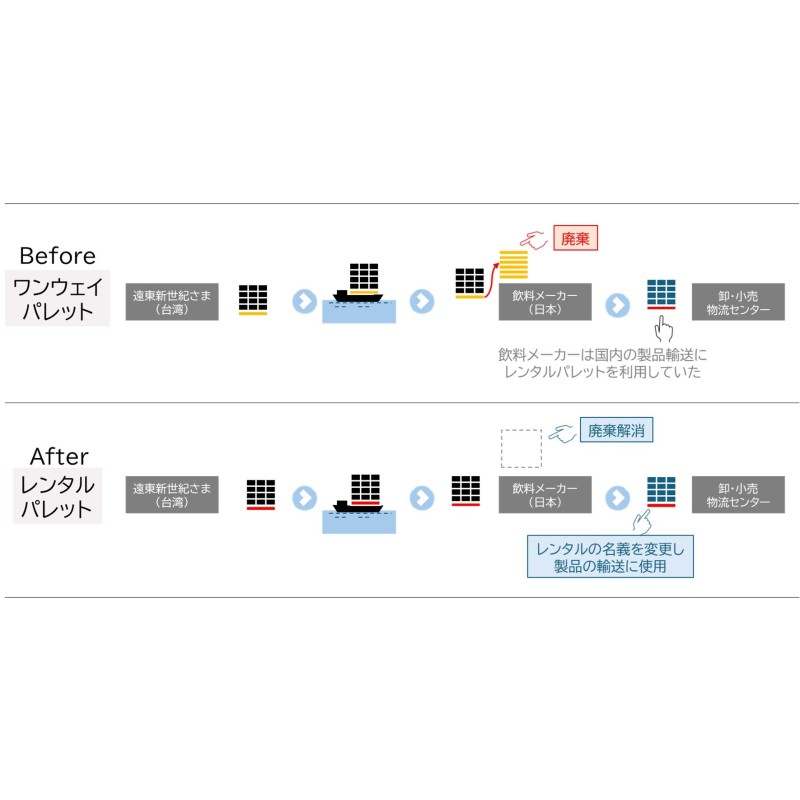
The issue with one-way pallets is that they cannot be repeatedly reused after transportation. As a result, used pallets accumulated at beverage manufacturers in Japan.
This created several challenges:
- Storage space was required for used pallets
- Additional work was needed for disposal and handling
- Disposal costs were incurred
- Further improvement was needed from the perspective of reducing environmental impact
How the JPR Rental Pallet System Works
The move to rental pallets began with a proposal from a beverage manufacturer in Japan.
The manufacturer was already using JPR rental pallets for domestic product transportation in Japan and suggested applying the same system to preforms imported from Taiwan.
Following this proposal, FENC began discussing specific operating methods with JPR. After consultations began in 2016, rental pallets were introduced in 2017 for preform transportation between Taiwan and Japan.
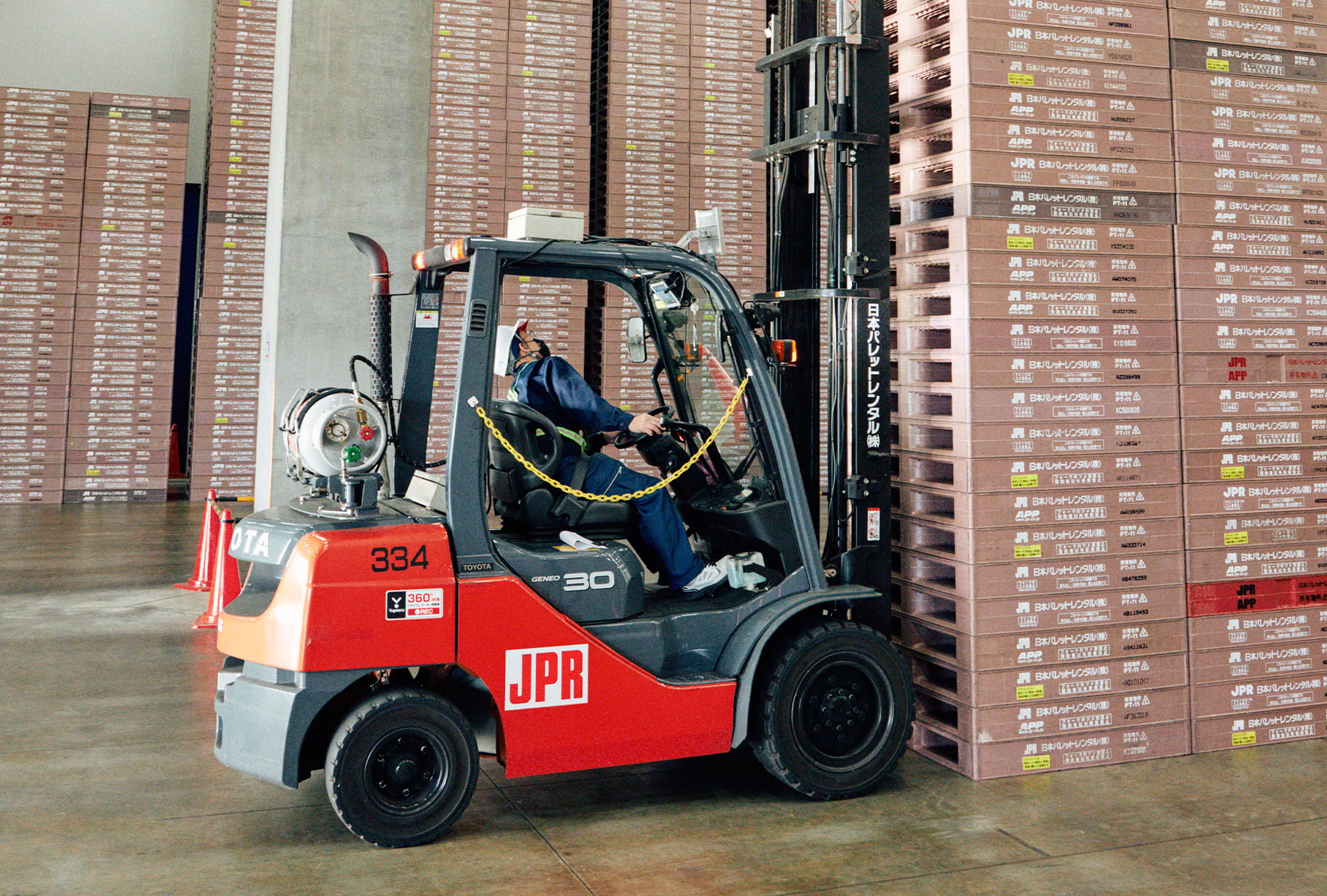
A key feature of the system is that once preforms are transported from Taiwan to Japan, the pallets do not need to be disposed of. Instead, they can continue to be used within Japan's domestic logistics network.
By connecting international transportation with domestic logistics in Japan, the system allows pallets to remain in circulation and be reused.
Benefits of Introducing Rental Pallets
Switching to rental pallets resolved the storage and disposal issues associated with used pallets in Japan.
In addition, pallets arriving from Taiwan can be used directly for domestic product transportation in Japan. This also helps reduce transportation costs associated with supplying additional pallets from JPR.
In other words, pallets used to transport products from Taiwan to Japan can continue circulating within Japan's domestic logistics network.
The system not only reduces the use of disposable logistics materials but also reduces the transportation required to move pallets themselves.
Preventing Load Slippage During Ocean Transport
Introducing rental pallets also required measures to address the movement and vibration specific to ocean transportation.
Depending on loading conditions, goods placed on plastic pallets may be more prone to slipping. If cardboard cases shift during transportation, they may be damaged or the load may become unstable.
To address this, FENC reinforced the cargo using film and straps and carried out trial shipments in advance. Full-scale operation began only after confirming that the cargo could be transported safely.
After implementation, managing pallet quantities became just as important as maintaining transportation quality. At the initial stage, operating procedures such as how to enter information into the management system were communicated to personnel on site, while JPR provided support in establishing the operating framework.
Today, the required number of pallets is adjusted according to shipping plans. Because ocean freight schedules may change due to weather and other factors, ongoing information sharing between FENC and JPR remains essential for maintaining stable operations.
What JPR Can Offer
In FENC's case, using JPR rental pallets for transportation from Taiwan to Japan reduced the storage and disposal burden associated with one-way pallets at the destination.
Pallets arriving in Japan can also continue to be used within the country's domestic logistics network. This connects international transportation with domestic logistics in Japan and enables pallets to remain in circulation.
Through this type of international pallet-sharing system, JPR supports more efficient logistics and more effective use of logistics materials while reducing the burden associated with owning, recovering, and disposing of pallets.
For companies exporting from Thailand and other Asian countries to Japan, JPR can also propose the use of rental pallets based on individual transportation routes and operating conditions when there are challenges related to the disposal, storage, or management of one-way pallets.
※If you have any questions or concerns regarding international pallet operations, please feel free to contact us using the inquiry button below.
Frequently Asked Questions (FAQ)
Q: Can rental pallets be used for transportation from overseas to Japan?
A: Yes. JPR provides a system that allows pallets to circulate and be reused internationally. In FENC's case, rental pallets are used to transport preforms from Taiwan to Japan.
Q: What happens to the pallets after they arrive in Japan?
A: Rather than being disposed of in Japan, the pallets can continue to be used within the domestic logistics network. This reduces the storage and disposal burden associated with one-way pallets.
Q: Are there any precautions when using plastic pallets for ocean transportation?
A: Depending on the cargo and transportation conditions, measures may be required to prevent loads from slipping due to the movement of the vessel. In this case, the cargo was reinforced with film and straps, and trial shipments were carried out in advance to confirm safe transportation.
Q: Can the same system be used for exports from Thailand to Japan?
A: JPR (Asia) Co., Ltd. provides international pallet rental services through the Asia Pallet Pool (APP). Transportation routes, pallet quantities, and other operating conditions can be discussed on a case-by-case basis.
Keywords
- One-Way Pallet: A pallet that is generally used for a single transportation cycle. Depending on the situation, it may need to be disposed of or otherwise handled at the destination.
- Returnable Logistics: A logistics system in which pallets, containers, and other logistics materials are collected and reused rather than discarded after a single use.
- Preform: A molded product at the stage before it becomes a PET bottle. After being heated, it is blow-molded into a PET bottle.
- Asia Pallet Pool (APP): JPR's international pallet rental network for sharing and circulating pallets throughout Asia.
※If you have any questions or concerns regarding international pallet operations, please feel free to contact us using the inquiry button below.
Company Information

International pallet rental services / Domestic pallet rental services in Thailand / Sales of pallets and logistics equipment
JPR (Asia) was established in 2007 as the Thai subsidiary of Japan Pallet Rental Corporation (JPR). Currently, it serves as a regional hub for pallet pooling operations across Asia, supporting logisti ...
CATALOG
Related Catalogs
PICKUP
Technology & Services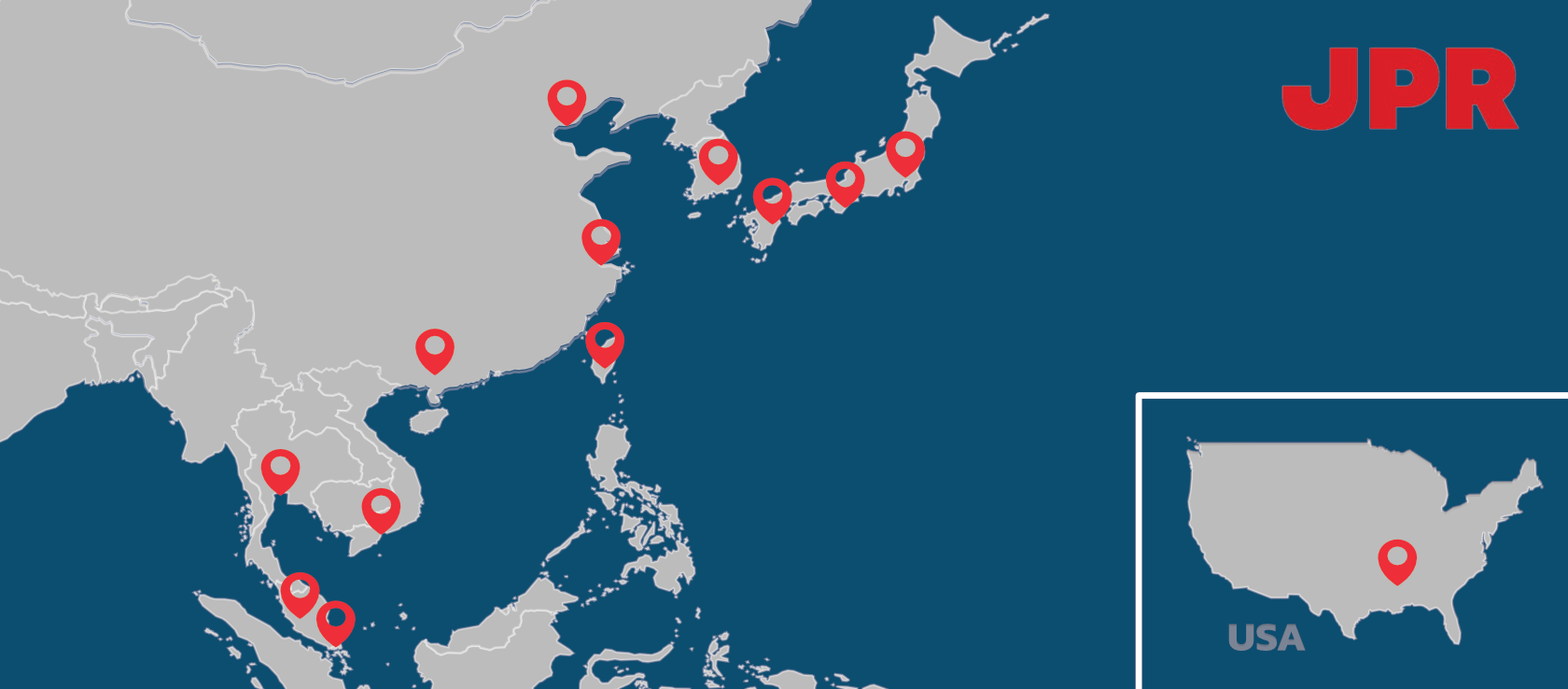
CONTACT
Contact