
SERVICES
Technology & Services
[Three-Lobe Roots Blower (Energy-Saving Design)] Reduce Factory Electricity Bills to One-Third by Replacing Compressors
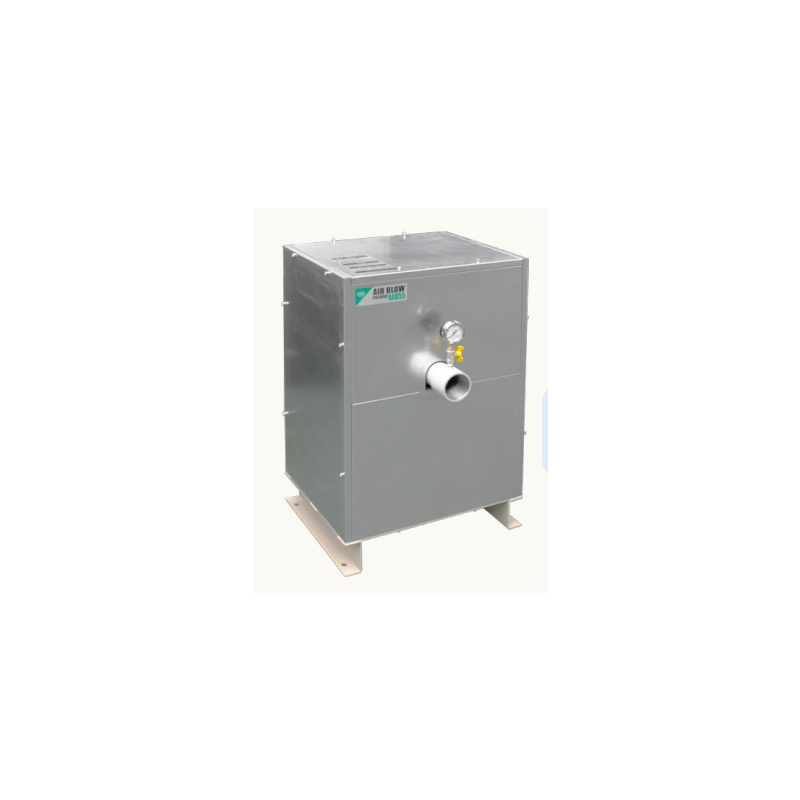
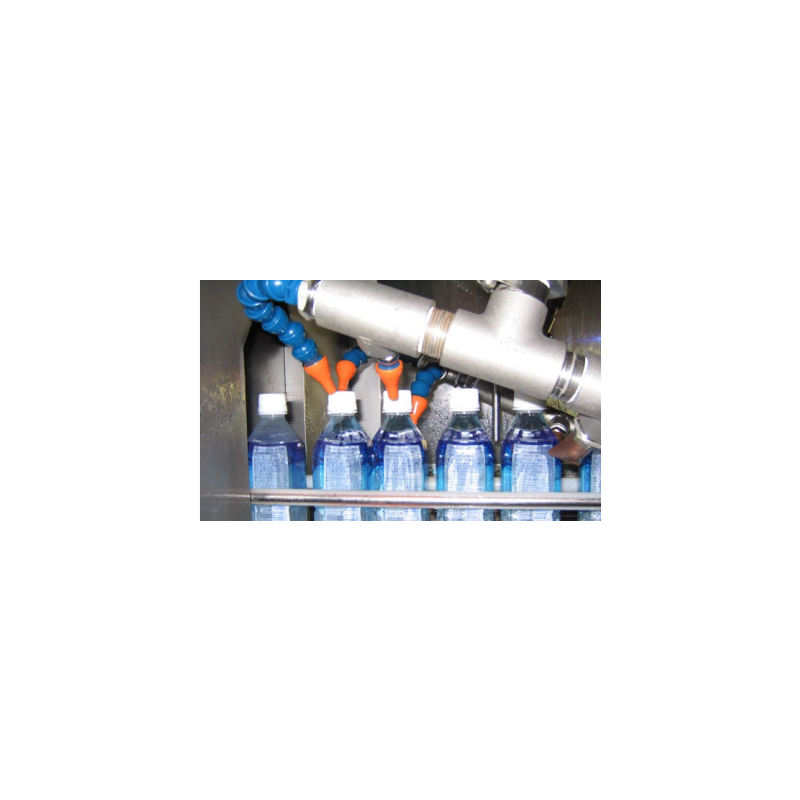
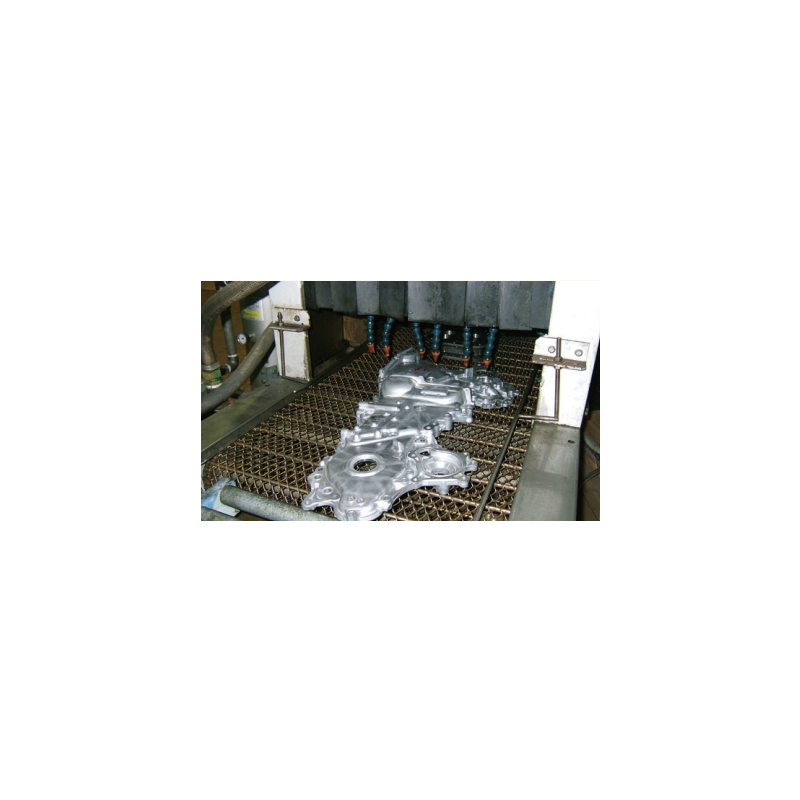
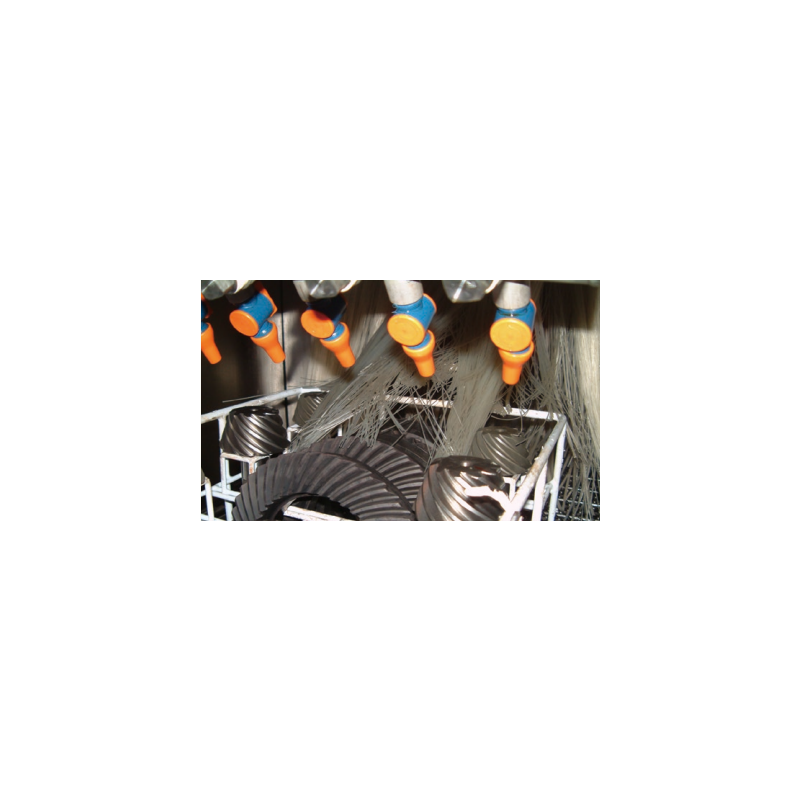
In manufacturing facilities, rising electricity costs and the need for carbon-neutral operations are simultaneously demanded. Among these challenges, the operation of compressor air, which accounts for a large percentage of total power consumption in factories, represents a significant area with room for improvement. In processes such as water stripping after washing, parts drying, and air blowing, there are many cases where high-pressure air is depressurized for use, despite not originally requiring high pressure. This "pressure mismatch" generates energy waste, affecting both costs and CO2 emissions. To address these issues, replacing compressors with blowers that supply air at low pressure and high flow rates is becoming a widely adopted option. This article outlines the concepts, installation benefits, and specific application areas of this approach.
Table of Contents
- Energy Loss Caused by Depressurization of High-Pressure Air and Room for Improvement
- Energy-Saving Benefits Achieved by Replacing Compressors with Three-Lobe Roots Blowers
- "Endless Casing Design" and Low-Noise Structure to Improve Energy Efficiency
- Integral Rotor and Shaft Structure Supporting Long-Term Stable Operation and Durability
- Achieving Both Quality Maintenance and Environmental Friendliness through Oil-Free Structure
- From Energy-Saving Diagnosis to Installation and Operation Support by ANLET
- Frequently Asked Questions (FAQ)
- Key Terms for Understanding This Article
■ Energy Loss Caused by Depressurization of High-Pressure Air and Room for Improvement
Many factories use pressurized compressor air as their primary air source. On the other hand, the pressure required for applications such as water stripping after washing, parts drying, and liquid agitation is often significantly lower than the discharge pressure of the compressor. Operating compressor air by reducing its pressure is equivalent to discarding energy corresponding to the reduced pressure without using it at all. From the perspective of energy efficiency, this is an area where there is still room for improvement. Selecting an air source with the appropriate pressure for the specific application is the starting point for reviewing energy management across the entire factory.
■ Energy-Saving Benefits Achieved by Replacing Compressors with Three-Lobe Roots Blowers
Replacing high-pressure compressor air with a low-pressure three-lobe roots blower suitable for the application is expected to reduce power consumption. Its key feature is the ability to supply air at the required pressure range without compressing it unnecessarily. In actual installation cases, reports show a reduction in power consumption and CO2 emissions while maintaining the same air blow performance. Switching processes that do not require high pressure to a dedicated air source is an effective means of reviewing both operating costs and environmental impact. Among the processes that do not require high pressure, the air blow process offers the most significant improvement benefits.
■ Energy Saving in Air Blow Processes and Replacement with Dedicated Equipment
The air blow process can account for a large portion of compressed air consumption within a factory. For applications such as water stripping, drying, and foreign matter removal, maintaining high pressure is often unnecessary, and traditional operations using depressurized air tend to cause energy losses. For such processes, replacing compressors with dedicated equipment that supplies low-pressure, high-flow-rate air is highly effective. One example of this is the "AAB Series" by ANLET. With a configuration optimized for air blow applications, it enables efficient supply in the required pressure range. Depending on installation conditions, cases have been verified where CO2 emissions were reduced by approximately 70% while maintaining blowing performance.
■ Comparison of air blowing methods (energy-saving example)
| Item | Plant air (compressor) | Roots air (AAB) |
| Pressure | Approx. 400 kPa | Approx. 40 kPa |
| Air flow rate | 210 L/min | 504 L/min |
| Nozzle diameter | φ2.2 | φ7.0 |
| Impact force | 69 g | 69 g |
| Energy cost | 4,032 yen/day | 1,209 yen/day |
※Conditions: 10 nozzles, 8 hours of operation per day (calculated with factory air unit cost of 4.0 yen/m3 and roots air unit cost of 0.5 yen/m3).
Understanding the relationship between pressure and performance is crucial for grasping the installation benefits. Under the conditions mentioned above, factory air at approximately 400 kPa and roots air at approximately 40 kPa have been confirmed to provide equivalent impact force (blowing-off performance). In the comparison conditions, the nozzle diameter is modified to increase the airflow rate, allowing equivalent impact force to be achieved even at lower pressure. High pressure is not always necessary for air blow applications; efficient operation is possible through the appropriate combination of pressure and airflow rate. Furthermore, from the perspective of energy cost per unit air volume, supplying air at low pressure and high flow rates demonstrates superior energy efficiency compared to compressed air. Water stripping of beverage bottles and cans, dust removal, metal chip removal, and drying after parts washing are processes where switching to low-pressure air is highly likely to be considered.
■ "Endless Casing Design" and Low-Noise Structure to Improve Energy Efficiency
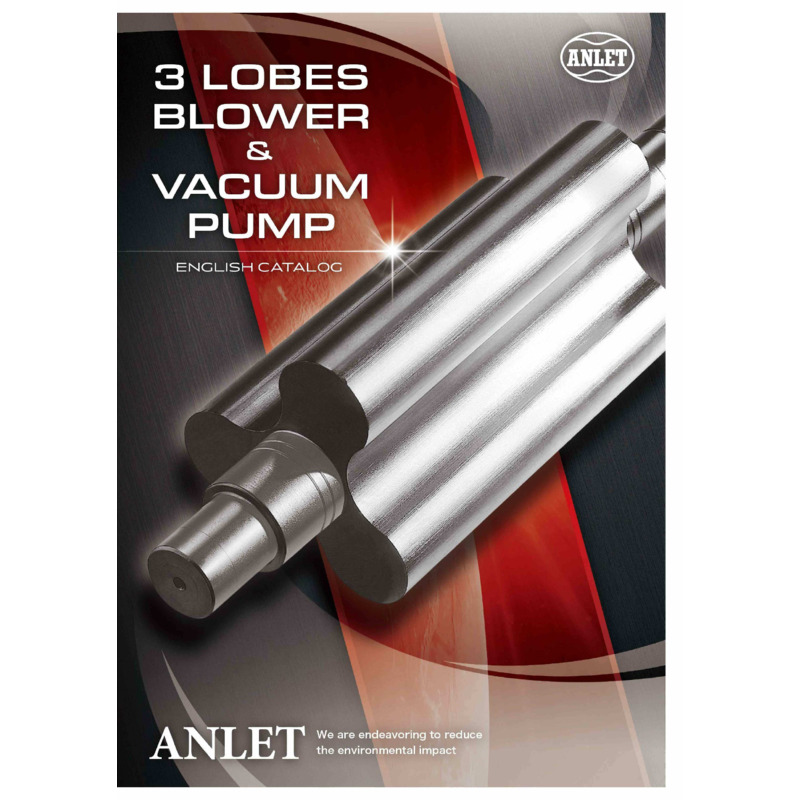
ANLET's three-lobe roots blowers pursue low noise, low vibration, and high efficiency, backed by proprietary technology that achieved volume production in Japan for the first time. At the core of this technology is the "Endless Casing Design," which optimizes the airflow inside the casing. This method minimizes air backflow and internal loss, leading to improved energy efficiency. In addition, unique designs of the three-lobe rotor and casing structure suppress pulsation during operation, contributing to reduced noise and vibration.
■ Integral Rotor and Shaft Structure Supporting Long-Term Stable Operation and Durability
To maintain energy-saving performance, the durability of the equipment is also a critical factor. ANLET employs an "integral structure" in which the rotor and shaft are machined from a single piece of material using dedicated processing machinery. This structure allows for a larger shaft diameter, preventing shaft breakage or rotor displacement during high-load operations. Furthermore, equipped with special bearings that allow grease replenishment and a gear oil slinging mechanism, it supports continuous operation and stable performance while minimizing the maintenance workload.
■ Achieving Both Quality Maintenance and Environmental Friendliness through Oil-Free Structure
Environmental measures are not limited to electricity reduction. ANLET's three-lobe roots blowers adopt an oil-free structure with no oil used in the gas-contacting parts. This reduces the risk of oil mist mixing into the discharged air, minimizing the impact on product quality. Oil-free air is an essential requirement in drying processes to prevent secondary contamination. Particularly in post-washing processes, adhesion of foreign matter or oil leads to defects, making air cleanliness highly demanded. In addition, reducing the amount of lubricating oil used decreases the labor and cost associated with waste oil disposal. This configuration is highly rational from the perspectives of both equipment operation and environmental compliance.
■ From Energy-Saving Diagnosis to Installation and Operation Support by ANLET
ANLET provides comprehensive decarbonization solutions, from conducting energy-saving diagnoses in factories to proposing replacements for existing compressors, backed by its unique three-lobe rotor processing technology. In global regions such as Thailand, an after-sales service system is established through local distributors. They provide maintenance, parts supply, and operational advice to support post-installation operations. Additionally, ANLET offers a wide lineup from general-purpose machines to packages optimized for air blow applications (equipped with soundproof panels and space-saving designs), enabling optimal configuration proposals tailored to the conditions of each factory. This leads to both increased profitability and reduced environmental impact.
■ Frequently Asked Questions (FAQ)
Q1: Can we reuse the existing piping when replacing compressor air with blower air?
A1: To use low-pressure, high-flow-rate air efficiently, small-diameter piping designed for high-pressure air cannot be used due to significant pressure loss. During installation, optimization including a review of piping and nozzle diameters is required.
Q2: In which processes do three-lobe roots blowers provide the highest implementation benefits?
A2: They are suitable for processes requiring low-pressure air, such as water stripping after washing, parts drying, pneumatic conveying of powder, and liquid agitation in plating tanks. The benefits are particularly prominent in locations where compressor air has been depressurized for use.
Q3: Is it possible to simulate energy-saving benefits at our local factory in Thailand?
A3: Yes, it is possible. We will calculate the effects of replacement and propose the optimal configuration based on your current compressor operating conditions (pressure, flow rate, operating hours), nozzle shapes (manufacturer name, model), quantity, and workpiece shapes.
■ Key Terms for Understanding This Article
- Three-Lobe: A structure in which two rotors, each having three lobes, rotate without contact with each other to transfer and compress gas.
- AAB Type: An example of a package unit equipped with a three-lobe roots blower, optimized for air blow applications.
- Endless Casing Design: ANLET's proprietary technology that optimizes airflow inside the casing to improve energy efficiency.
- Integral Rotor and Shaft: A manufacturing method where the rotor and shaft are machined from a single piece of material, contributing to rigidity and long-term stable operation.
Carbon Neutral: Initiatives to balance greenhouse gas emissions and absorption to achieve net zero.
Company Information

ANLET is a manufacturer and distributor of Roots blowers, vacuum pumps, and dust collectors, with a strong focus on energy saving and environmental sustainability. Its key differentiator is its patent ...
CATALOG
Related Catalogs
PICKUP
Technology & Services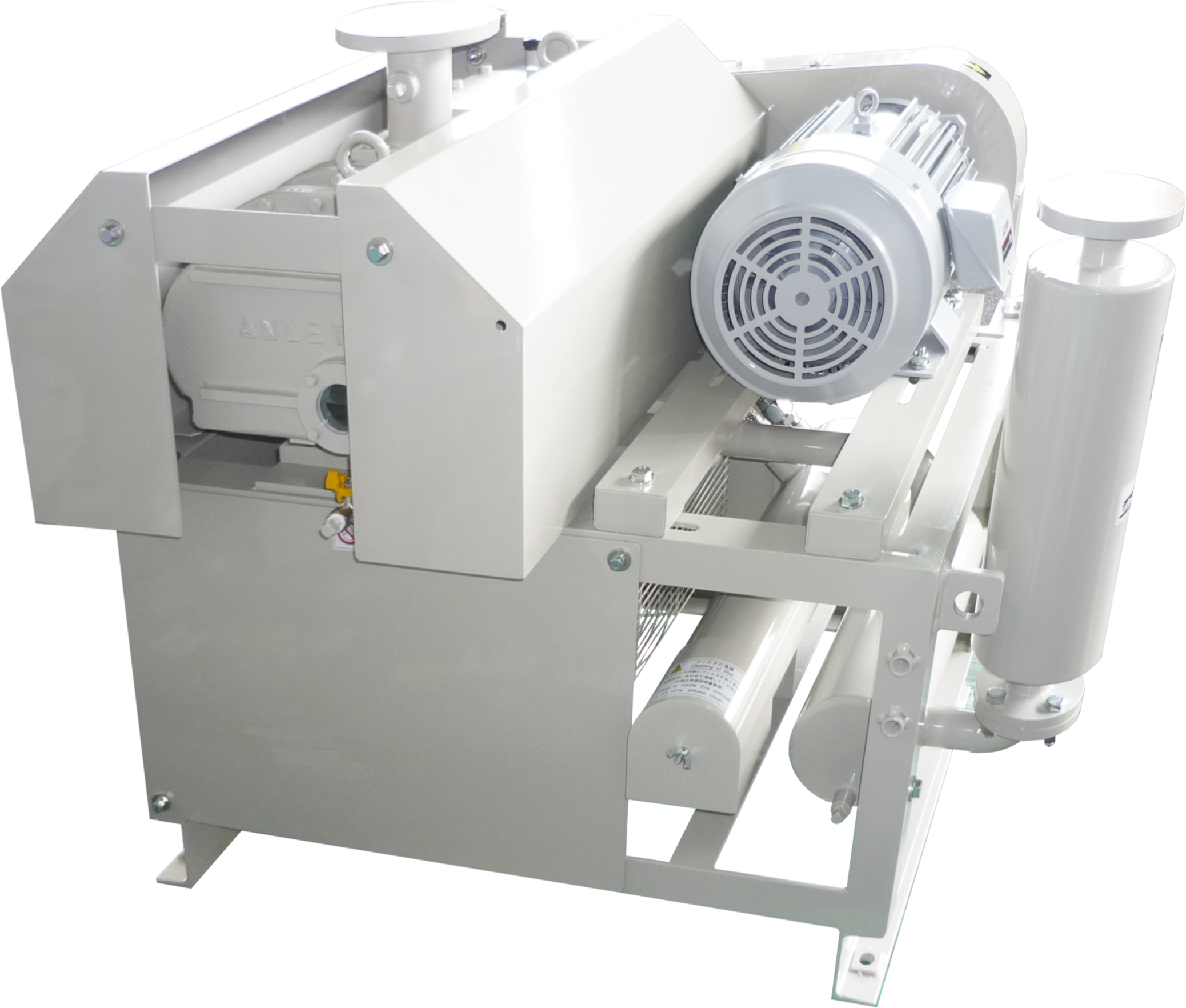

CONTACT
Contact