
TAPYRUS (THAILAND) CO., LTD.
PRODUCT
Production Goods
Advantages and Limitations of Meltblown Nonwoven Fabric for Filtration Applications
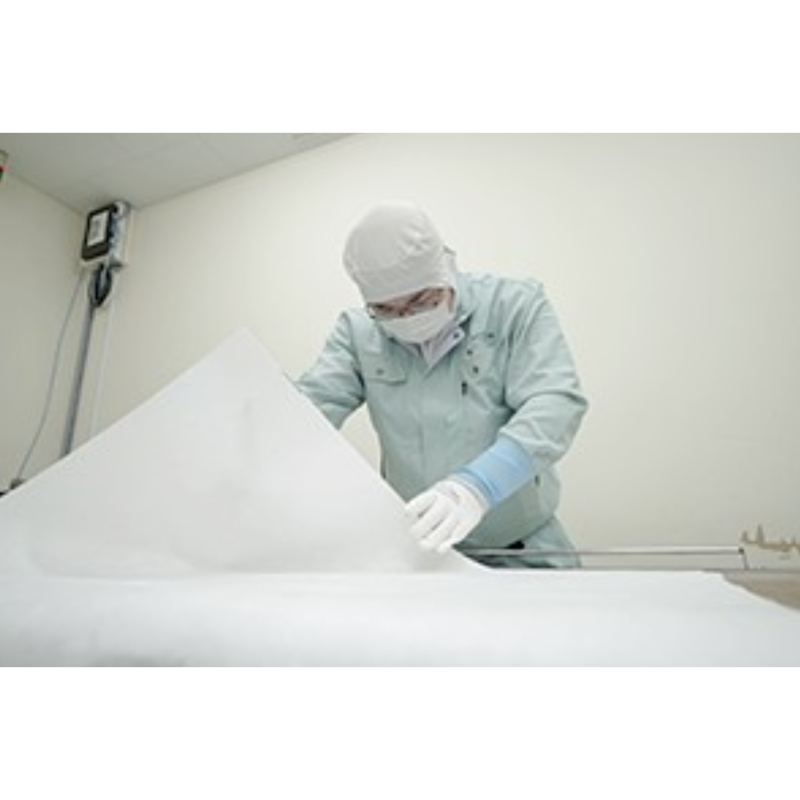
What is Meltblown Nonwoven Fabric?
Meltblown nonwoven fabric is produced by heating and melting thermoplastic resins such as polypropylene (PP), then extruding them through fine nozzles with high-pressure hot air to form fibers about 1–5 micrometers in diameter. These fibers are randomly deposited and thermally bonded into a sheet.
Key Differences from Spunbond Nonwovens:
- Much finer fiber diameter
- Smaller pore sizes
- Superior fine particle capture efficiency
Advantages as a Filter Material
① High Particle Capture Efficiency
- Works through mechanical filtration and electrostatic adsorption when treated with electret charging.
- Can capture PM2.5, bacteria, viruses, and submicron particles with high efficiency.
② Balance Between Airflow and Pressure Drop
- Random fiber arrangement allows airflow while maintaining high filtration rates.
- Ideal for respiratory masks, HVAC filters, and air purifiers, where breathability and low resistance are critical.
③ Thin, Lightweight, and Easy to Process
- Very light, flexible, and easy to cut or fold.
- Compatible with multi-layer lamination, 3D filter shapes, and hybrid filter construction.
Limitations and Challenges
① Low Mechanical Strength
- Weak fiber-to-fiber bonding results in poor tensile and abrasion resistance.
- Typically laminated with spunbond nonwoven for durability.
② Susceptibility to Moisture
- While polypropylene is water-repellent, the fine fiber structure can trap moisture.
- High humidity or liquid exposure can degrade both mechanical and electrostatic filtration performance.
③ Electrostatic Charge Degradation
- Electret-treated fibers lose charge over time, especially under high heat or UV light exposure.
- Proper storage cool, dry, and dark is essential to maintain performance.
Applications and Use Cases
- Medical Masks → Surgical masks, N95 respirators
- Air Filtration → Air purifiers, HVAC units
- Cleanroom Filters → HEPA and ULPA-grade panels
- Automotive → Cabin air filters
- Industrial Filtration → Pre-filters for dust collection systems
These applications rely on meltblown fabric where fine particle removal is a priority and other filter media cannot match the performance.
ーーーーーーーーーーーーーーーーーーーーーーーーーーーーーーーーーーーーーーーーーーー
❓ FAQ
Q: Why is meltblown material widely used in masks?
A: Its fine fibers and electrostatic capability allow it to filter viruses and PM2.5 while maintaining breathability.
Q: Can meltblown be used in humid environments?
A: Not ideal, as moisture reduces electrostatic performance and lowers filtration efficiency.
Q: Is a spunbond layer necessary for reinforcement?
A: Yes, when higher mechanical strength is needed, such as in multilayer mask structures.
📚 Glossary
Meltblown Nonwoven: Fine-fiber nonwoven produced by the meltblown process
Electret Treatment: Electrostatic charging to boost filtration performance
Spunbond: Coarser nonwoven layer used to add strength
Pressure Drop: Airflow resistance across a filter
Company Information
Main 3 Products
Manufacture of Melt-Blown Non-Woven / Sale of Melt-Blown Non-Woven
Phone Number
Homepage URL
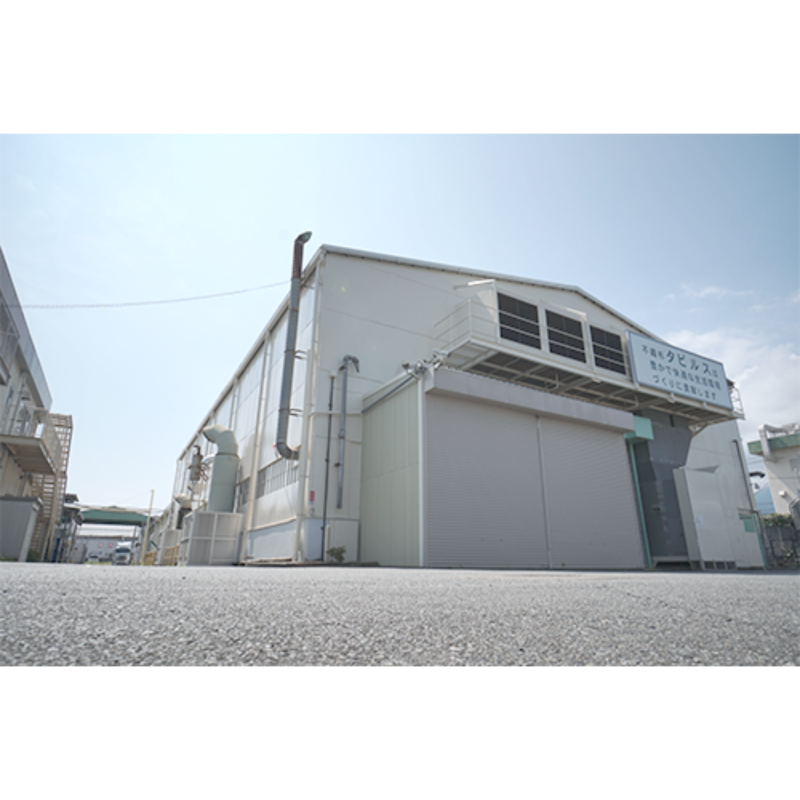
Since our founding in 1987 as a specialized manufacturer of melt-blown nonwoven fabrics, we at Tapyrus have consistently provided our customers with high-quality products using our unique technology.
CONTACT
Contact