
TAPYRUS (THAILAND) CO., LTD.
PRODUCT
Production Goods
Physical Property Evaluation Methods for Nonwoven Fabrics
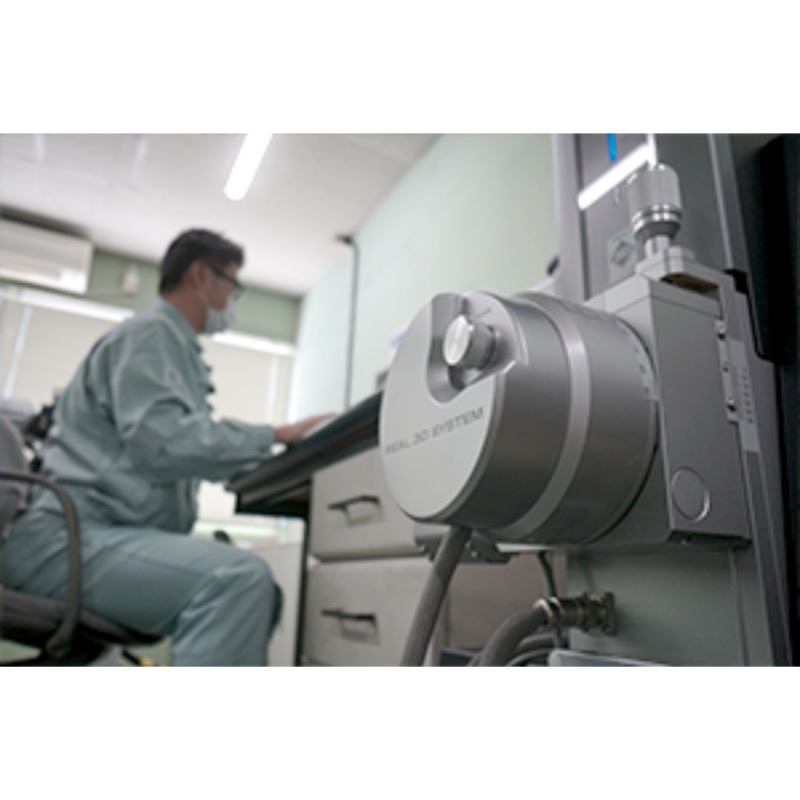
Why Evaluate Nonwoven Properties?
Nonwoven fabrics are widely used in filtration, medical, industrial, and hygiene products. Evaluating their properties ensures they meet safety and performance standards. Key physical properties tensile strength, air permeability, and chemical resistance must be objectively tested to maintain quality.
Strength Evaluation Methods
- Tensile Strength (ASTM D5035 / JIS L1096):
Measures the maximum force before the fabric breaks when pulled. Important for structural durability.
- Tear Strength (ASTM D1424):
Assesses the fabric’s resistance to sudden tearing using the Elmendorf method.
- Bursting Strength (ASTM D3786):
Measures the pressure at which the fabric bursts under force. Used for soft, stretchable materials.
Air Permeability and Flow Resistance
- Air Permeability Test (ASTM D737 / ISO 9237):
Measures how much air passes through the fabric per unit area. Important for comfort and breathability.
- Air Flow Resistance (EN 14683 / ISO 29463):
Also called pressure drop. Lower values mean better airflow and efficient filtration.
Chemical Resistance Evaluation
- Chemical Immersion (ISO 6530):
The sample is soaked in acids, bases, or solvents. After exposure, inspect for damage, weight change, or strength loss.
- Surface Observation:
Visually inspect for color changes, cracks, or material degradation.
Why It Matters: Practical Use Cases
These evaluation methods help match materials to applications:
- Medical masks: Require both breathability and tensile strength.
- Filters: Must balance air permeability with chemical stability.
- Protective wear: Needs durability and resistance to harsh chemicals.
ーーーーーーーーーーーーーーーーーーーーーーーーーーーーーーーーーーーーーーーーーーー
❓ FAQ
Q: Why do multiple standards exist for testing nonwovens?
A: Each standard focuses on different test conditions and property types, providing a comprehensive understanding of material performance.
Q: Why is pressure drop important in masks?
A: Lower pressure drop means easier breathing while maintaining high filtration performance.
Q: What does ISO 6530 measure?
A: It evaluates chemical resistance, including penetration, swelling, and physical changes in the fabric.
📚 Glossary
Tensile Strength: Resistance to pulling force
Air Permeability: Ability of air to pass through the fabric
Pressure Drop: Resistance to airflow
Chemical Immersion Test: Chemical exposure test for fabric integrity
Company Information
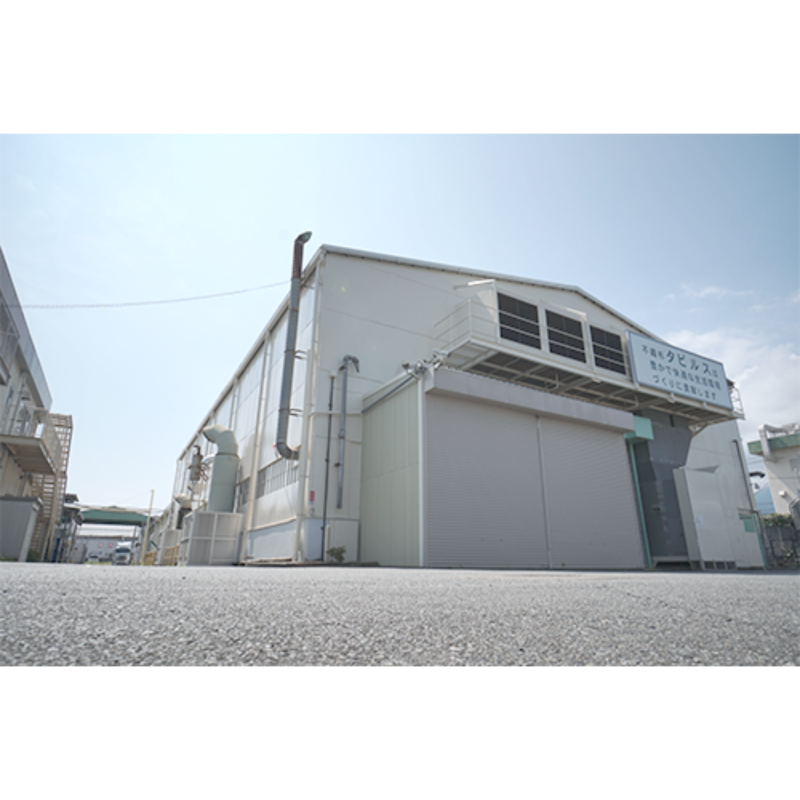
Main 3 Products
Manufacture of Melt-Blown Non-Woven / Sale of Melt-Blown Non-Woven
Phone Number
Homepage URL
Since our founding in 1987 as a specialized manufacturer of melt-blown nonwoven fabrics, we at Tapyrus have consistently provided our customers with high-quality products using our unique technology.
CONTACT
Contact