_f9dbaafb-b0d7-4a7f-be58-2fc7d63a2f93.png)
KNOWLEDGE
Knowledge
Technology and Services
【Containers Delayed After Arrival in Japan】Loose-Loaded Shipping from Thailand to Japan: The Cost Factors That Cannot Be Determined by Loading Efficiency Alone
2026-08-27
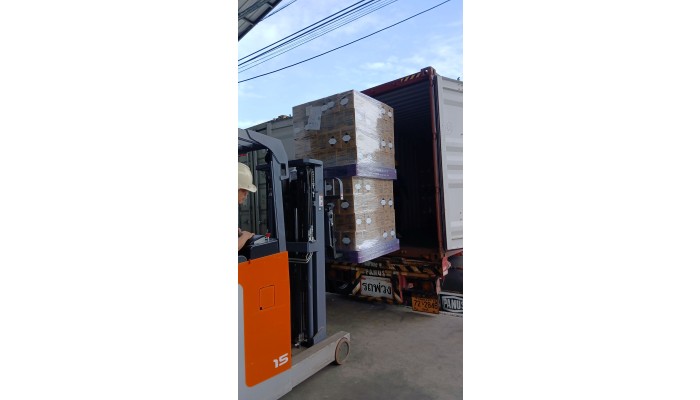
When shipping from Thailand to Japan, one method is to load goods loosely without using pallets in order to use as much of the container space as possible for cargo. At first glance, this may appear to be an efficient method because more goods can be loaded when no space is taken up by pallets.
However, when comparing transportation methods, it is necessary to consider not only the amount of cargo that can be loaded into each container, but also the unloading and re-palletizing work required after arrival in Japan, as well as the costs associated with those operations.
This article explains the burden that arises after loose-loaded cargo arrives in Japan and, based on a case in which the cargo was palletized from the Thailand side, examines transportation cost differences that cannot be seen from loading efficiency alone.
Table of Contents
- Unloading after arrival in Japan can lead to container delays
- Demurrage, labor arrangements, and re-palletizing are also transportation costs
- Palletizing in Thailand reduces loading capacity but can reduce duplicate work in Japan
- Before considering palletization, check turnaround time and return locations
- Frequently Asked Questions
■ Unloading after arrival in Japan can lead to container delays
When exporting goods from Thailand, there are cases where products are loaded directly into the container without pallets in order to make maximum use of the container’s loading space.
However, even if loading can be carried out efficiently on the Thailand side, this does not necessarily mean that unloading can be performed with the same efficiency on the Japan side.
In one actual case, there were not enough workers available to unload the cargo after it arrived in Japan, and the work took approximately three hours. If unloading takes longer, the container cannot be returned during that time, resulting in a longer period of container detention.
In other words, if the transportation method is selected solely on the basis of “how much can be loaded” on the Thailand side, the workload after arrival in Japan may be overlooked. In Japan, the shortage of logistics personnel associated with the so-called “2024 problem” has become an issue, raising concerns about the continued availability of workers to unload loose-loaded cargo. As a result, pallet transportation is once again attracting attention.
■ Demurrage, labor arrangements, and re-palletizing are also transportation costs
When a container remains in place for a longer period, unloading time is not the only issue.
If a container is retained beyond the specified period, demurrage charges may apply. In addition, if the originally scheduled workforce cannot complete the unloading and additional workers need to be arranged, further costs will be incurred.
Furthermore, if goods shipped loose-loaded from Thailand are handled on pallets inside a warehouse in Japan, another operation is required after arrival. The goods must first be unloaded from the container and then loaded onto pallets again.
From this perspective, the comparison between loose loading and pallet transportation should not focus only on loading efficiency during ocean transportation. By including handling costs after arrival in Japan, additional labor costs, demurrage, and re-palletizing in the comparison, the overall transportation cost becomes clearer.
■ Palletizing in Thailand reduces loading capacity but can reduce duplicate work in Japan
To review this workload after arrival in Japan, there was a case in which the transportation method was changed so that goods were loaded onto pallets in Thailand and transported in that condition all the way to Japan.
This customer was already using SANKO Group rental pallets within Japan. However, goods shipped from Thailand were transported loose-loaded, which meant that once they arrived at the warehouse in Japan, the goods had to be loaded onto pallets again.
The operation was therefore changed so that goods were loaded onto rental pallets in Thailand and transported directly to Japan in that condition.
As a result, the re-palletizing work previously carried out after arrival in Japan was eliminated, and there was no longer a need to arrange workers for that task. Because the pallets could also be managed together with the SANKO Group rental pallets already being used within Japan, pallet management could be consolidated.
Of course, when pallets are loaded into a container, the space available for cargo decreases by the amount occupied by the pallets. In this customer’s case as well, there was initially concern that loading efficiency would decrease.
Even so, when the comparison included handling after arrival in Japan, labor arrangements, re-palletizing, and other processes, the overall logistics cost was reduced in this case.
Although loose loading allows more cargo to be loaded per container, that factor alone does not determine the final cost.
■ Before considering palletization, check turnaround time and return locations
If goods are transported from Thailand to Japan while remaining on pallets, is it necessary to send the pallets back from Japan to Thailand?
With SANKO Group’s rental service for shipments from Thailand to Japan, pallets can be rented in Thailand, loaded with goods, and transported directly to Japan. After the goods have been unloaded, the empty pallets can be returned to a designated return location in Japan.
Therefore, when considering use of the service, it is necessary to look not only at “how many pallets to rent,” but also at how many days will be required from receiving the pallets in Thailand until returning them in Japan.
Regarding pricing, there are methods in which charges are calculated according to the actual number of days used, as well as methods in which the rental fee, delivery and collection fees, and other charges are bundled into a per-pallet, per-use rate.
Accordingly, when reviewing specific conditions, factors such as the expected turnaround time, delivery location on the Thailand side, return location on the Japan side, and required number of pallets become relevant considerations.
If goods are currently being shipped loose-loaded to Japan and significant time or labor is required for unloading and re-palletizing after arrival, palletizing from the Thailand side may provide an opportunity to review the logistics process.
We will review the transportation route, turnaround time, required quantity, and other conditions before proposing an operating method. If you are considering pallet transportation from Thailand to Japan, please feel free to contact us.
■ Frequently Asked Questions
Q1:Is loose-loaded transportation always cheaper than pallet transportation?
A1 : The total cost is not necessarily lower. In this case, there was concern that using pallets would reduce container loading efficiency. However, when costs for handling after arrival in Japan, re-palletizing, additional workers, and related operations were included in the comparison, the total cost was reduced.
Q2:Can pallets be rented in Thailand and returned in Japan?
A2 : With the rental service for shipments from Thailand to Japan, goods can be loaded onto pallets rented in Thailand and transported to Japan. After unloading, the empty pallets can be returned to a SANKO Group return location in Japan.
Q3:What information is required when considering palletization?
A3 : The expected turnaround time, pallet delivery and return locations, and required number of pallets are reviewed. This information is then used to consider the operating method and pricing conditions.
※For more details, please download the materials or contact us via the form below.
Company Information

Transportation equipment
Plastic pallet / Plastic container / Folding container
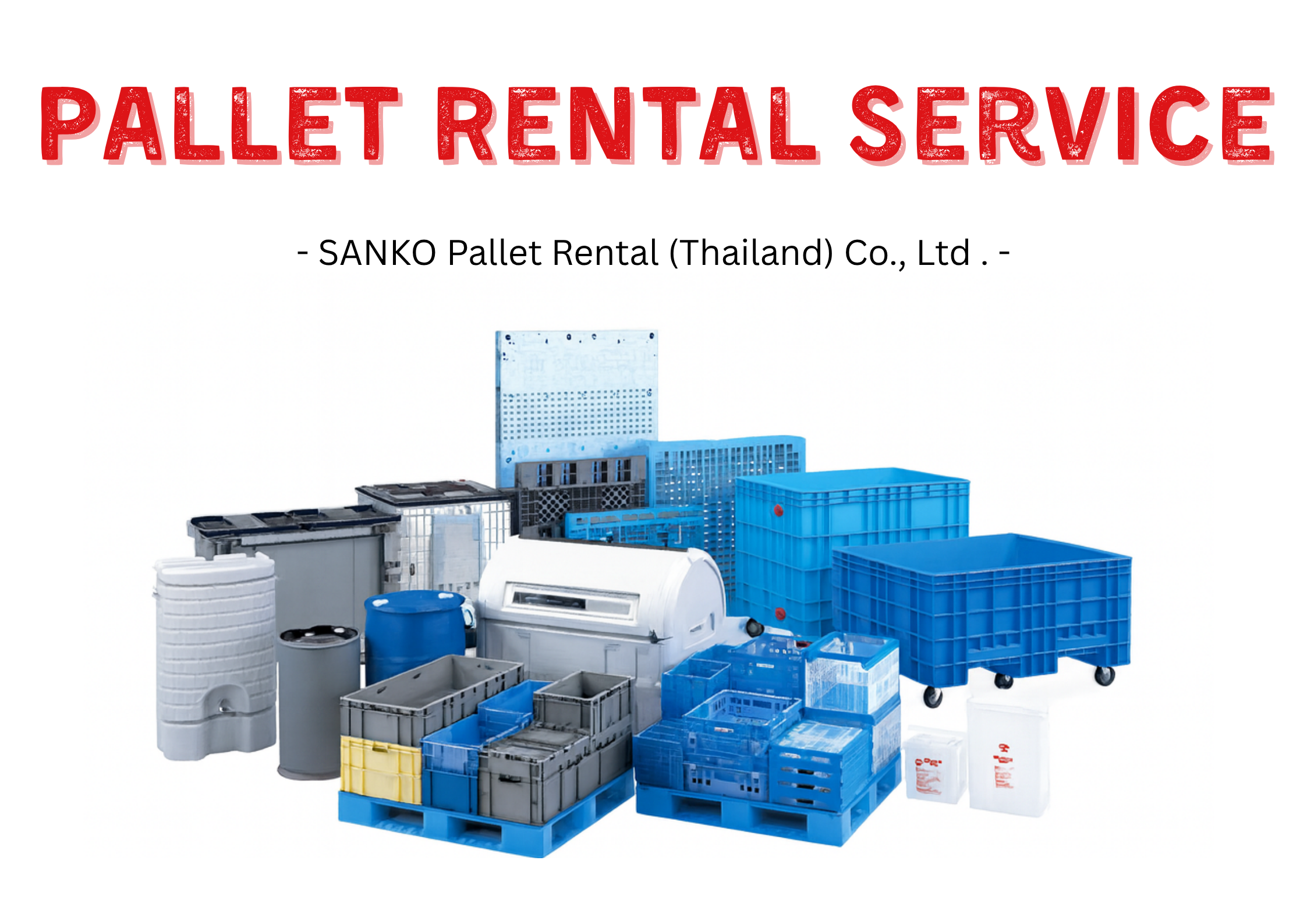
🔷 Company Overview SANKO Pallet Rental (Thailand) Co., Ltd. (SPRT) launched its rental business in Thailand in 2016 as part of the Sanko Co., Ltd. group, which was founded in 1951. Sanko Co., Ltd. hol ...

PICKUP
Technology & Services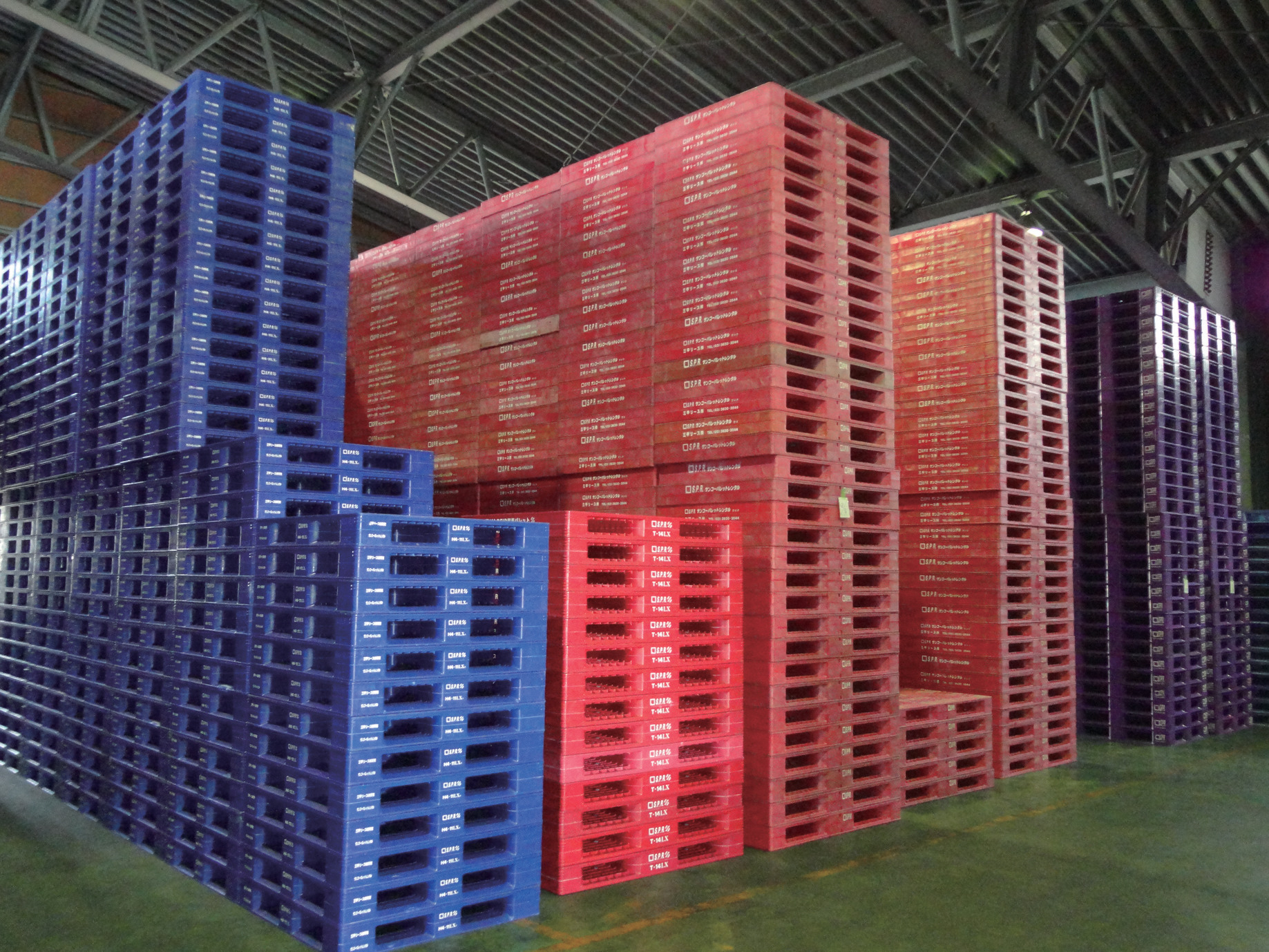

CONTACT
Contact