
KNOWLEDGE
Knowledge
Technology and Services
What Is Insert Molding? Benefits, Manufacturing Process, and Quality Control for Integrating Metal and Resin Parts
2026-10-09
In automotive parts and electrical equipment manufacturing plants, assembling metal terminals separately into plastic structures often results in terminal misalignment and loosening caused by vibration. How can securing metal terminals to plastic during the injection molding process help reduce these problems? This article summarizes the structure, manufacturing process, and dimensional control methods used in insert molding.
Table of Contents
- Comparison of structural differences between conventional injection molding and insert molding
- Metal terminals and resin bonded securely during the injection molding process
- Separate-part assembly that can cause misalignment on the production line
- Metal-overmolded plastic parts that require terminal position and dimensional inspection
- What Matsuda Denki (Thailand) Co., Ltd. can support
- Frequently Asked Questions
- Keywords for understanding this article
■ Comparison of Structural Differences Between Conventional Injection Molding and Insert Molding
Conventional plastic injection molding involves injecting molten plastic into a mold to produce a plastic-only part. If electrical conductivity is required, the molded plastic part must then be assembled and secured to a metal terminal in a subsequent process. In contrast, insert molding involves placing a metal terminal in a specified position inside the mold before injecting plastic around the metal component. This allows the plastic structure and metal component to become directly integrated as a single part within the mold.
■ Comparison of Characteristics Between Conventional Injection Molding and Insert Molding
Comparison Item | Conventional Injection Molding | Insert Molding |
Part placement in the mold | Only plastic resin is injected | Metal terminals are placed before plastic injection |
Method of securing parts | Screws or fastening in a later process | Plastic tightly surrounds and secures the metal inside the mold |
Joint between materials | Gaps may remain between assembled parts | Reduces gaps and helps prevent loosening |
■ Metal Terminals and Resin Bonded Securely During the Injection Molding Process
The manufacturing process begins by placing the metal terminal precisely in the specified position inside the mold. The mold is then closed and locked, and molten plastic is injected under heat and high pressure so that the plastic flows around the retaining section of the metal component. Once the plastic cools and solidifies, the part is removed from the mold with the metal terminal securely embedded and integrated into the plastic structure. The part then undergoes an initial molding condition inspection to confirm that there are no sink marks or excess plastic covering the electrical contact area.
■ Separate-Part Assembly That Can Cause Misalignment on the Production Line
In production lines that use separate-part assembly, manufacturers must manage multiple components such as plastic housings, metal terminals, and fastening screws. These parts must be positioned and assembled individually, often requiring manual work. This type of process increases the risk of terminal misalignment and loosening when the finished part is used under vibration. When switching to an integrated metal-and-plastic molded part, the fastening process can be eliminated, helping increase the strength of the connection and reduce errors during assembly.
■ Metal-Overmolded Plastic Parts That Require Terminal Position and Dimensional Inspection
Quality control for this type of molding requires particular attention to the accuracy of the metal terminal position after injection, because the pressure of molten plastic inside the mold may cause the metal terminal to tilt. It is also necessary to inspect whether the plastic has completely filled the area around the metal terminal. Image Measurement Systems, 3D Coordinate Measuring Machines (3D CMM), and wire crimp cross-section inspection equipment are important tools for confirming that part dimensions meet the specified drawings.
■ What Matsuda Denki (Thailand) Co., Ltd. Can Support
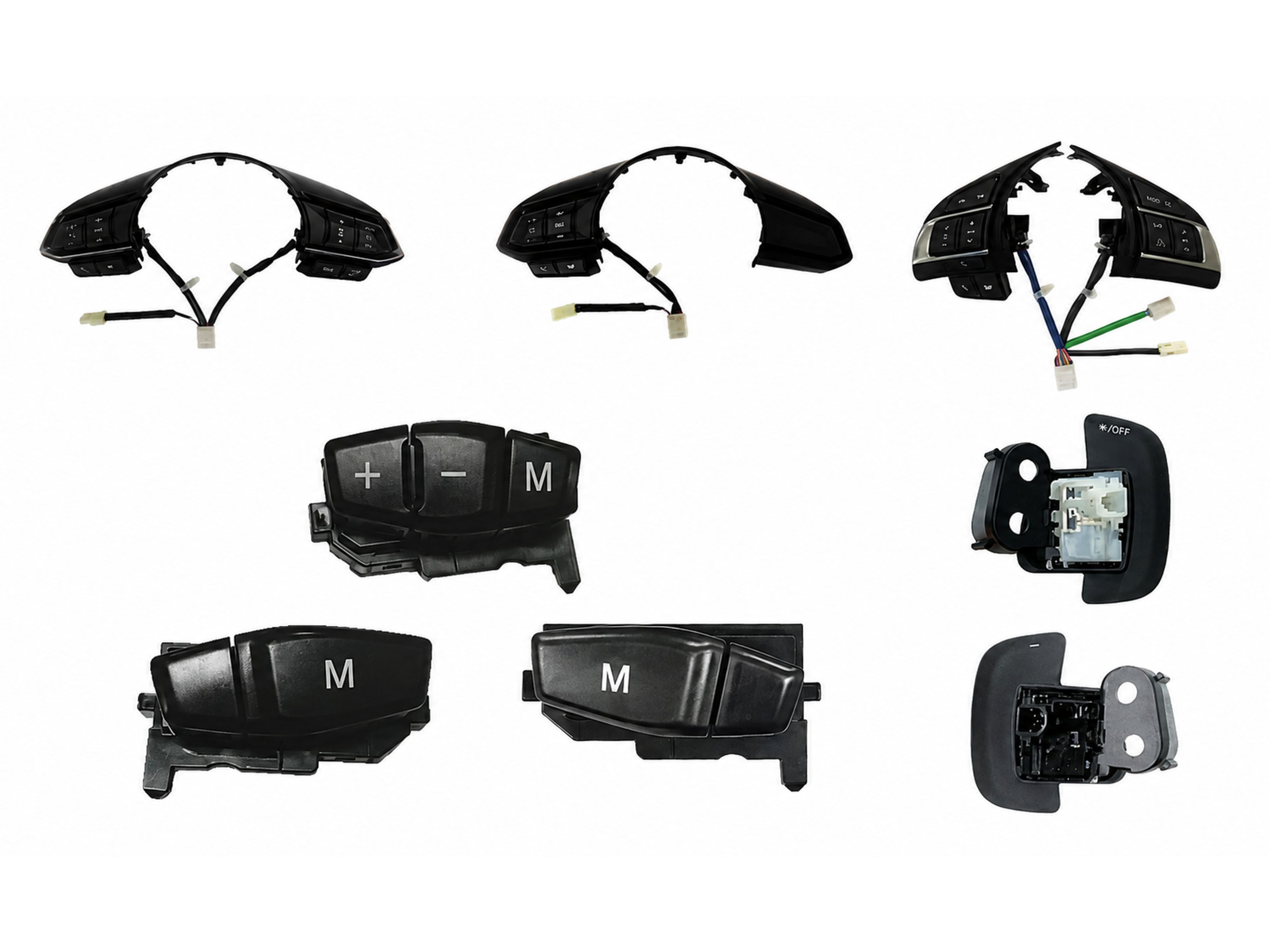
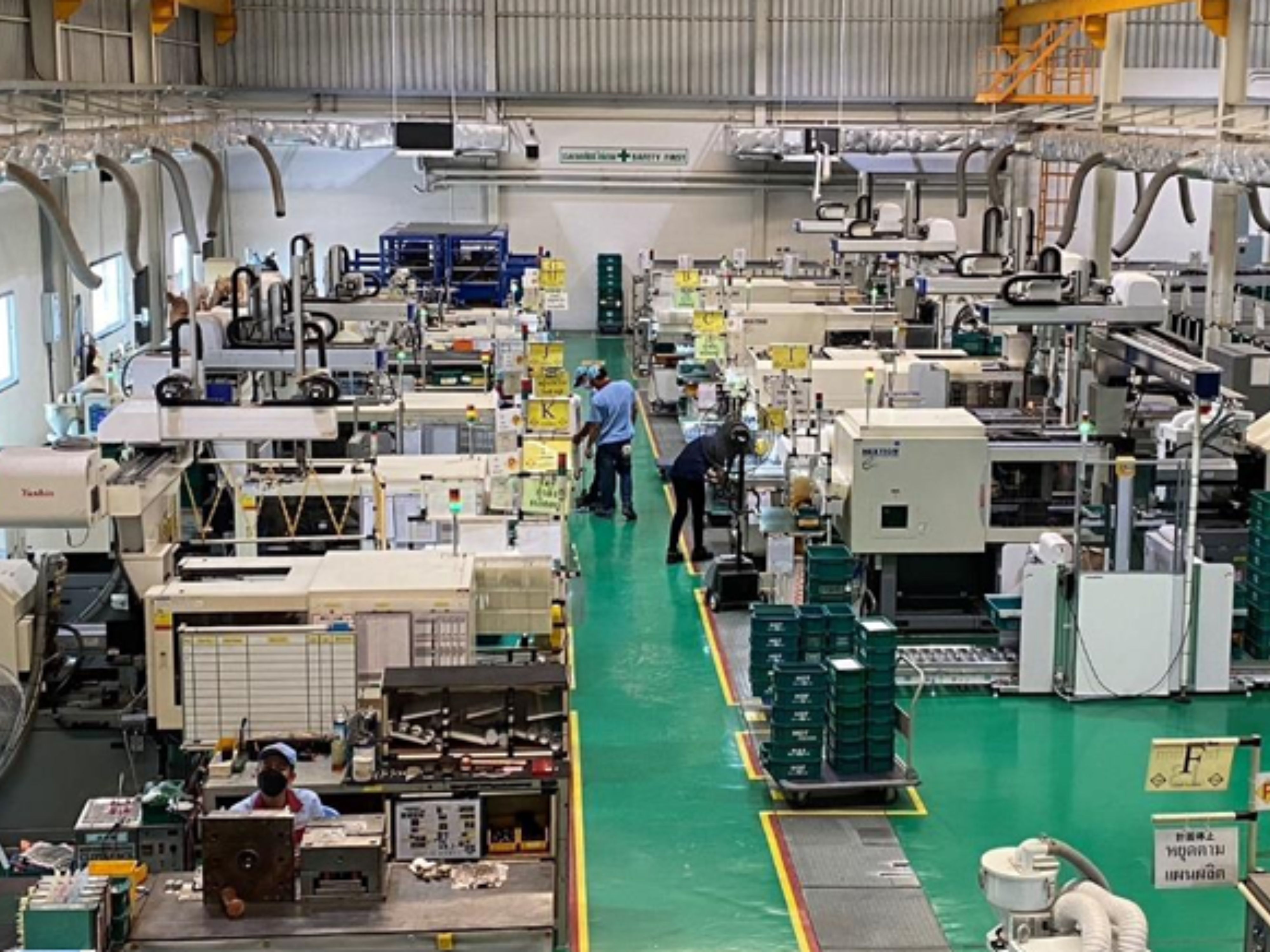
Matsuda Denki (Thailand) Co., Ltd. supports an integrated manufacturing process ranging from plastic injection mold production, conventional plastic molding, insert molding, and 2-Color Molding to wire harness processing and automotive switch assembly. The company also designs and manufactures jigs and has in-house quality measurement equipment, including 3D measuring machines, image measurement systems, and crimp cross-section inspection equipment, to control part dimensions in accordance with ISO9001 and ISO14001 standards.
Key factors for consideration include the type of plastic material, mold accuracy, and dimensional inspection equipment. If these conditions are not fully met, please contact us for further information.
※For more details, please download the PDF attached to this article or contact us via the form below.
■ Frequently Asked Questions
Q1:How does insert molding of metal and plastic help reduce manufacturing steps?
A1:Insert molding of metal and plastic helps reduce post-molding fastening and screw assembly steps because the metal component is integrated directly with the plastic inside the mold.
Q2:What should be carefully checked when inspecting the quality of metal-overmolded parts?
A2:One key point is the deviation of the metal terminal position caused by plastic injection pressure. Dimensions must be checked using a 3D measuring machine or an image measurement system to confirm accuracy.
Q3:In addition to plastic molding, are other assembly services also available?
A3:The manufacturing process also covers wire harness processing, automotive switch assembly, and the production of inspection jigs within the same factory.
■ Keywords for Understanding This Article
- Insert Molding : A plastic injection molding process in which plastic is molded around a metal component inside the mold to integrate them into a single part.
- Terminal : A metal contact used to conduct electrical current in switches and electronic components.
- Integrated Production : A manufacturing system covering molding, wire processing, assembly, and inspection within an integrated production process.
※For more details, please download the PDF attached to this article or contact us via the form below.
Company Information

Electronic parts / Industrial machinery / Electrical component for transportation equipment
Switch assembly / Wire harness assembly / Resin molding
Matsuda Denki Thailand (MDT) engages primarily in the manufacturing and supply of automotive electrical components, practicing manufacturing that integrates Japanese quality with strong local responsi ...
CATALOG
Related Catalogs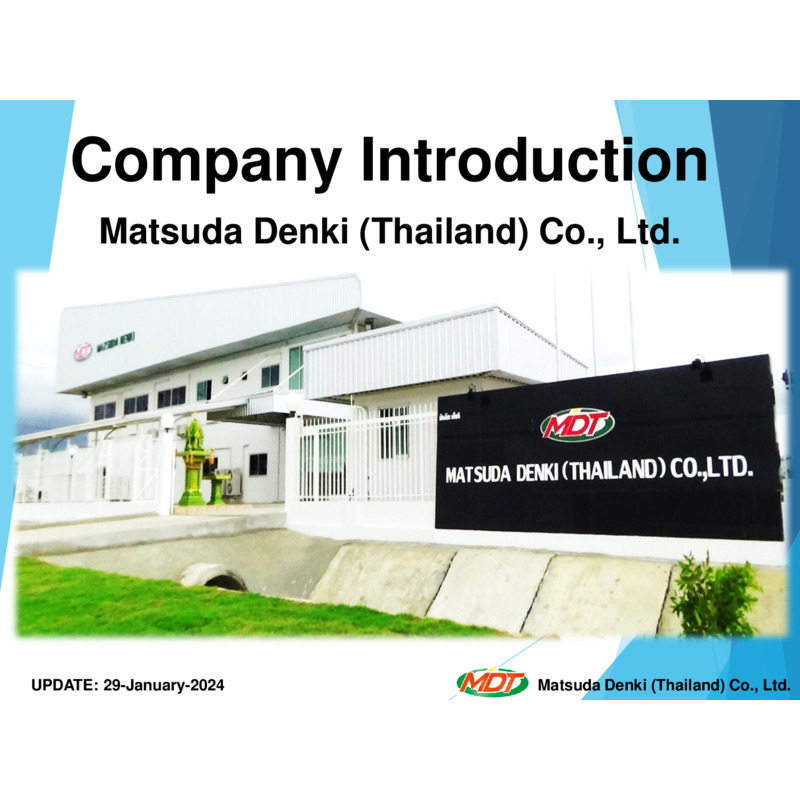
PICKUP
Technology & Services
CONTACT
Contact