
KNOWLEDGE
Knowledge
Technology and Services
What Is an Automotive Wire Harness? Manufacturing Process and Quality Control Points Such as Crimping and Continuity Testing
2026-10-09
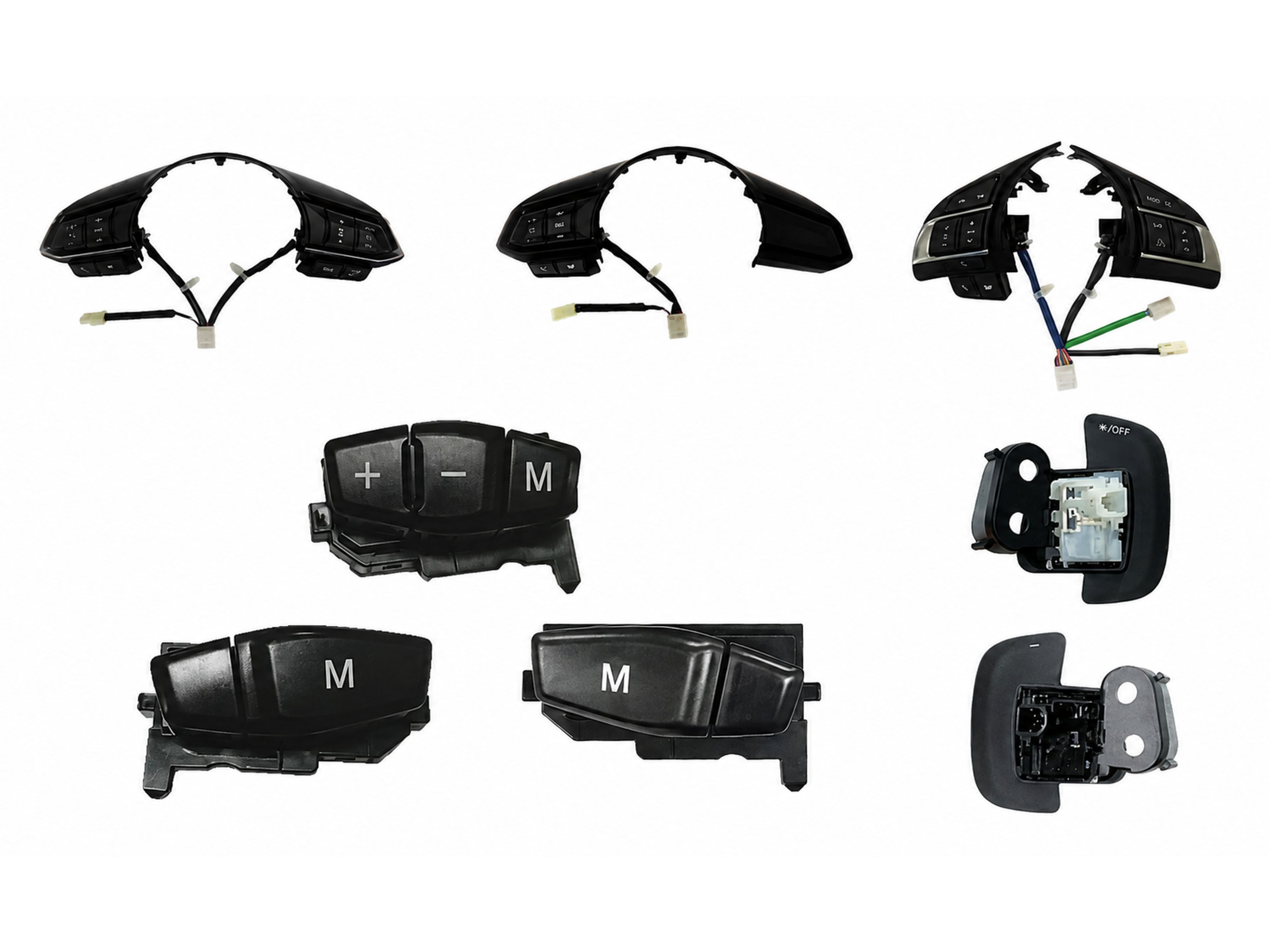
In automotive parts assembly in Thailand, electrical conductivity failures or loose crimp terminals can occur when wire harness quality control does not cover all necessary inspection points. An automotive wire harness functions like the nervous and circulatory systems of a vehicle, transmitting electrical power and control signals to switches and electronic devices throughout the vehicle. This article explains the basics of what a wire harness is, its manufacturing process, terminal crimping, cross-section inspection, and the integration of switch assembly to help prevent errors in mass production.
Table of Contents
- Electrical conductivity problems in vehicles caused by wire harness structure
- Wire cutting and terminal crimping processes that affect quality
- Terminal crimping and wire cross-section inspection points before mass production
- Electrical continuity testing and wire harness assembly to prevent defective products from passing through
- Standalone wire harness production and integrated switch assembly in a single factory
- What Matsuda Denki (Thailand) Co., Ltd. can provide
- Frequently Asked Questions
- Keywords for understanding this article
■ The Role and Structure of Automotive Wire Harnesses That Affect Electrical Conductivity Problems
An automotive wire harness is a bundle of electrical wires, terminals, and connectors that are systematically grouped and wrapped together. It transmits electrical power and control signals to switches, lighting, sensors, and various electronic control units within a vehicle. By comparison, a wire harness functions like the nervous and circulatory systems of a vehicle, enabling its electrical systems to operate properly. If the wire terminal crimping process is incomplete or a wire type unsuitable for the required voltage is selected, signal transmission failures or electrical short circuits may occur during use. Understanding the basic structure and limitations of the assembly process is therefore important when planning procurement and reducing quality risks.
■ Wire Cutting and Terminal Crimping Processes That Affect Quality
The wire harness manufacturing process begins by feeding electrical wires into a cutting machine and cutting them to the specified length. The insulation is then stripped from the wire ends to prepare them for terminal crimping using a crimping machine. Wires used in the automotive industry range in size from 0.2 sq to 13.0 sq, and more than 1,000 types of terminals are used. Accurate adjustment of machine crimping force and insulation stripping length is therefore a key factor in preventing loose terminals, insufficient crimping, or damage to the internal wire strands, which can affect the stability of the electrical circuit.
■ Terminal Crimping and Wire Cross-Section Inspection Points Before Mass Production
External visual inspection alone cannot fully confirm the integrity of a wire terminal crimp. Cross-section inspection equipment is therefore used to cut and inspect a crimped sample under magnification. This inspection makes it possible to clearly observe the compression of the wire strands inside the terminal and the extent to which the metal crimp surrounds them. If gaps are found or the crimping force does not meet the specified standard, the machine must be adjusted immediately to prevent defective parts from entering the production line.
■ Electrical Continuity Testing and Wire Harness Assembly to Prevent Defective Products from Passing Through
After terminal crimping and wire termination are completed, the parts are wrapped with protective tape and assembled into the wire harness structure before proceeding to electrical continuity testing. Automatic electrical circuit testing equipment is used to confirm that every connection matches the specified design and that there are no open circuits or short circuits. In addition, resin potting technology or low-pressure molding can be used to provide water and dust protection for critical connection points.
■ Standalone Wire Harness Production and Integrated Switch Assembly in a Single Factory
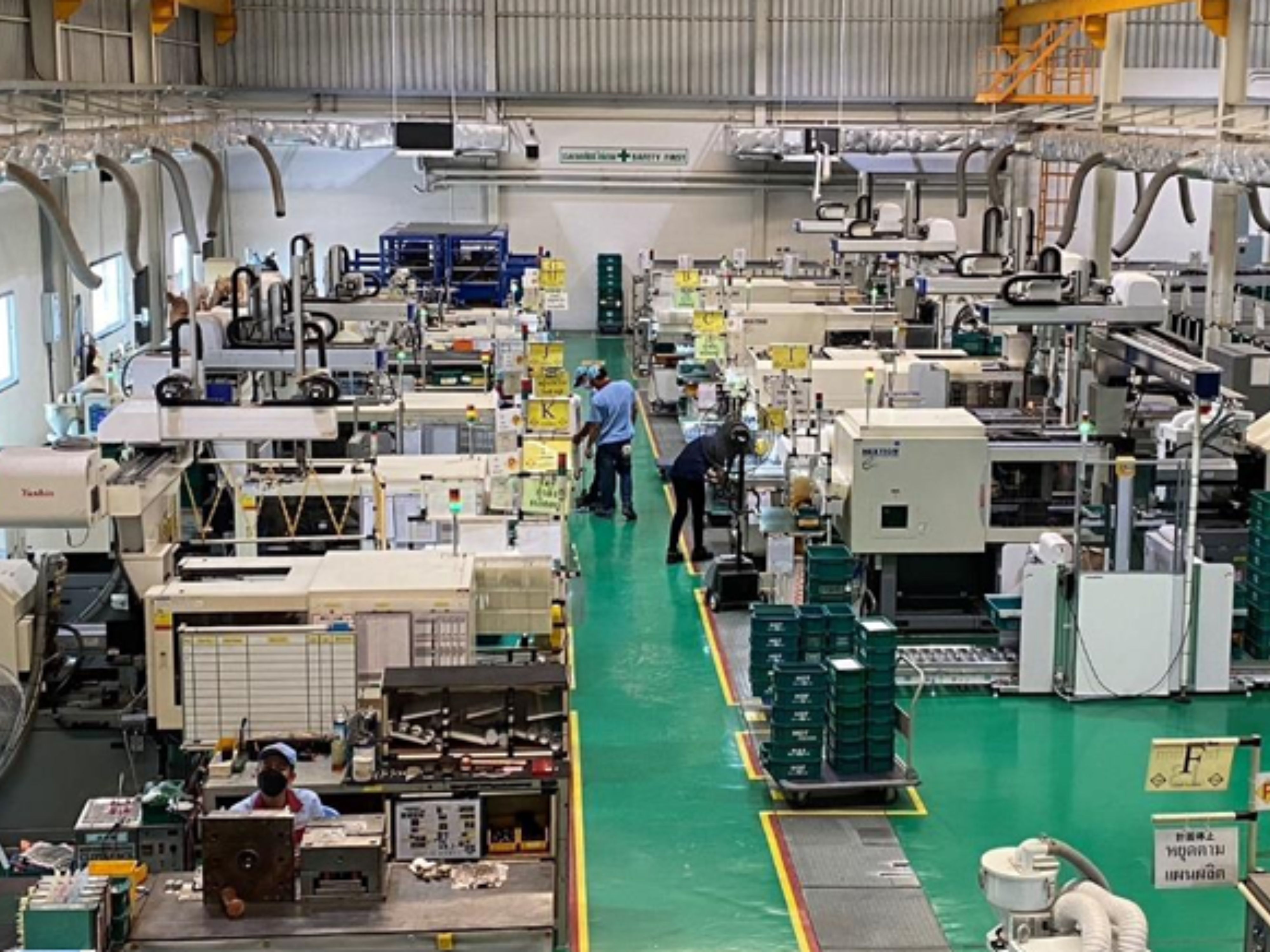
Purchasing wire harnesses from one manufacturer and then sending them to another factory for assembly into switch units creates an additional management burden and increases the risk of errors between processes. In contrast, selecting a manufacturer that can handle plastic molding, wire processing, and final switch assembly reduces the number of workpiece transfers. In-house jig production also enables production line adjustments and part modifications to be carried out more quickly.
■ What Matsuda Denki (Thailand) Co., Ltd. Can Provide
Matsuda Denki (Thailand) Co., Ltd. provides integrated automotive wire harness manufacturing, wire processing, and switch assembly services. The factory is located in Amata City Rayong Industrial Estate and supports wire sizes from 0.2 sq to 13.0 sq and more than 1,000 types of terminals. Its inspection equipment includes wire crimp cross-section inspection equipment, electrical continuity testing equipment, a 3D Coordinate Measuring Machine (3D CMM), and image measuring instruments. Operations are conducted under ISO 9001 and ISO 14001 standards, with close technical support and assembly equipment design support from the Japanese engineering team.
Criteria Required for Consideration
- Scope of manufacturing processes
- Quality measurement and inspection systems
- Technical support structure
If these conditions are not fully met, please contact us for further information.
※For more details, please download the PDF attached to this article or contact us via the form below.
■ Frequently Asked Questions
Q1:How does the factory inspect the quality of wire crimp terminals before mass production?
A1:The factory uses wire crimp cross-section inspection equipment to cut and inspect crimped samples and accurately verify the integrity of terminal crimping.
Q2:What range of wire sizes and terminal types can the wire harness manufacturing process support?
A2:The factory supports wire processing for sizes ranging from 0.2 sq to 13.0 sq and can accommodate approximately 1,000 types of terminals.
Q3:How is the electrical circuit checked after wire harness assembly is completed?
A3:Every assembled part undergoes electrical continuity testing using circuit testing equipment to confirm that all connections comply with the engineering design.
■ Keywords for Understanding This Article
- Wire Harness : A component used to transmit electrical signals and power in a vehicle, consisting of electrical wires and terminals.
- Cross-Section Inspection : The process of cutting a crimped terminal sample and examining the compression of the wire strands under magnification.
- Electrical Continuity Testing : An electrical circuit test used to confirm that there are no short circuits or open circuits.
- Potting : A resin-filling technology used to protect electronic components from water and moisture.
※For more details, please download the PDF attached to this article or contact us via the form below.
Company Information

Electronic parts / Industrial machinery / Electrical component for transportation equipment
Switch assembly / Wire harness assembly / Resin molding
Matsuda Denki Thailand (MDT) engages primarily in the manufacturing and supply of automotive electrical components, practicing manufacturing that integrates Japanese quality with strong local responsi ...
CATALOG
Related Catalogs
PICKUP
Technology & Services
CONTACT
Contact