
KNOWLEDGE
Knowledge
Technology and Services
【Companies in Thailand Importing Steel Tubes from Japan】Drawing Approval and Quality Assurance Challenges When Switching to Local Sourcing
2026-10-08
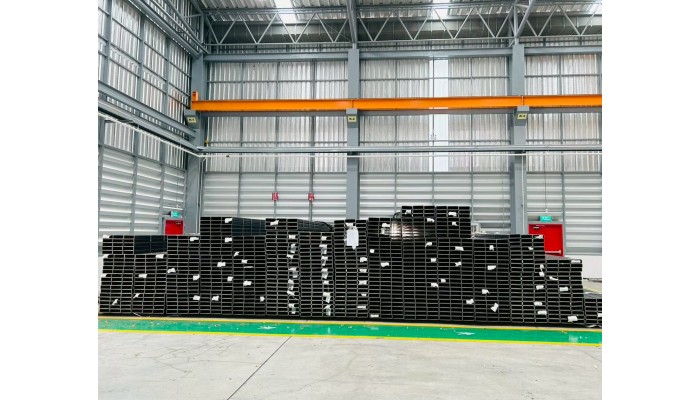
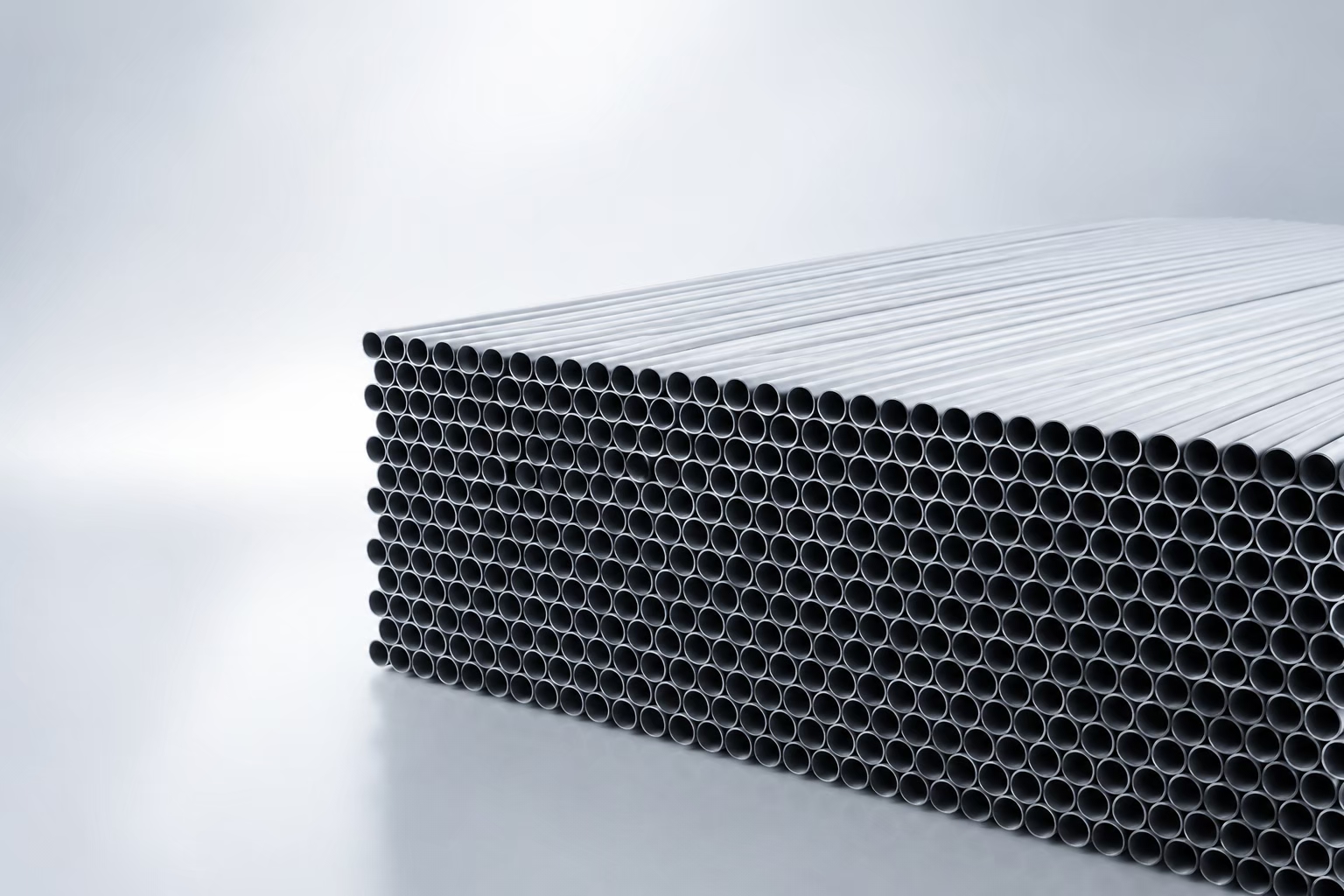
At manufacturing sites in Thailand, many companies continue to import mechanical structural steel tubes from Japan. At the same time, demand is increasing for switching to sourcing within Thailand in order to review transportation costs and lead times.
However, changing suppliers cannot be decided based on price alone. It is necessary to confirm whether the newly sourced material meets the drawings and required specifications, and to approve it after reviewing the quality assurance method and traceability system.
This article summarizes the key points to check when switching from steel tubes imported from Japan to sourcing within Thailand.
Table of Contents
- Why drawing approval is required when switching to local sourcing
- Mill sheets and traceability to check for quality assurance
- Supply systems and processing capabilities to check when selecting a supplier
- Benefits of managing everything from material sourcing to processing
- What FUSOH TUBE PARTS (THAILAND) CO., LTD. can do
- FAQ
- Key terms for understanding this article
■ Why drawing approval is required when switching to local sourcing
When switching mechanical structural steel tubes from imports from Japan to sourcing within Thailand, the first point that must be checked is whether the candidate material meets the drawings and required specifications.
Even if the steel tube is intended for the same application, the supplier cannot simply be changed without checking conditions such as material grade, dimensions, and standards. The design, quality assurance, purchasing, and other relevant departments need to review the required information and determine whether the material can be approved for use.
For this reason, considering local sourcing is not simply a matter of “finding a cheaper material.” It is important to have a system that can provide the material information required for approval and verify its consistency with existing drawings and specifications.
Even if there is potential to reduce procurement costs, the switch cannot proceed if the information required for approval is insufficient. Considering material selection and drawing approval together is the first step toward local sourcing.
■ Mill sheets and traceability to check for quality assurance
When switching to local sourcing, another important point is how the quality of the material will be verified and how far its history can be traced.
One item to check is the mill sheet issued by the steel manufacturer. A mill sheet contains information such as the chemical composition and mechanical properties of the steel and serves as important information for confirming compliance with the required specifications.
It is also necessary to have a management system that links incoming materials with their mill sheets and allows the lot to be traced through to the processed product.
In particular, when secondary processing such as cutting or machining is performed, traceability must be maintained not only when the material is received but also after processing, so that it remains possible to confirm “which material was used to manufacture this product.”
When switching to local sourcing, quality assurance therefore requires checking not only price but also material certification and lot management.
■ Supply systems and processing capabilities to check when selecting a supplier
With local sourcing, it is not enough to identify a material that meets the required quality conditions. It is also important to consider whether the required material can be sourced continuously.
Points to check include what kind of material procurement network the supplier has, whether it can support the required quantities and delivery schedules, and whether it can also handle processing after the material has been sourced.
If materials from other countries, such as China, are considered in addition to Japanese materials, it is necessary to review not only quality and price but also whether a reliable procurement route is available.
In addition, if the sourced steel tubes require cutting, drilling, machining, polishing, welding, or other processing, where those processes will be carried out should also be considered in advance.
Rather than selecting the material supplier and processing supplier separately, reviewing the supply system from procurement through processing makes it easier to develop a concrete operating plan after switching to local sourcing.
■ Benefits of managing everything from material sourcing to processing
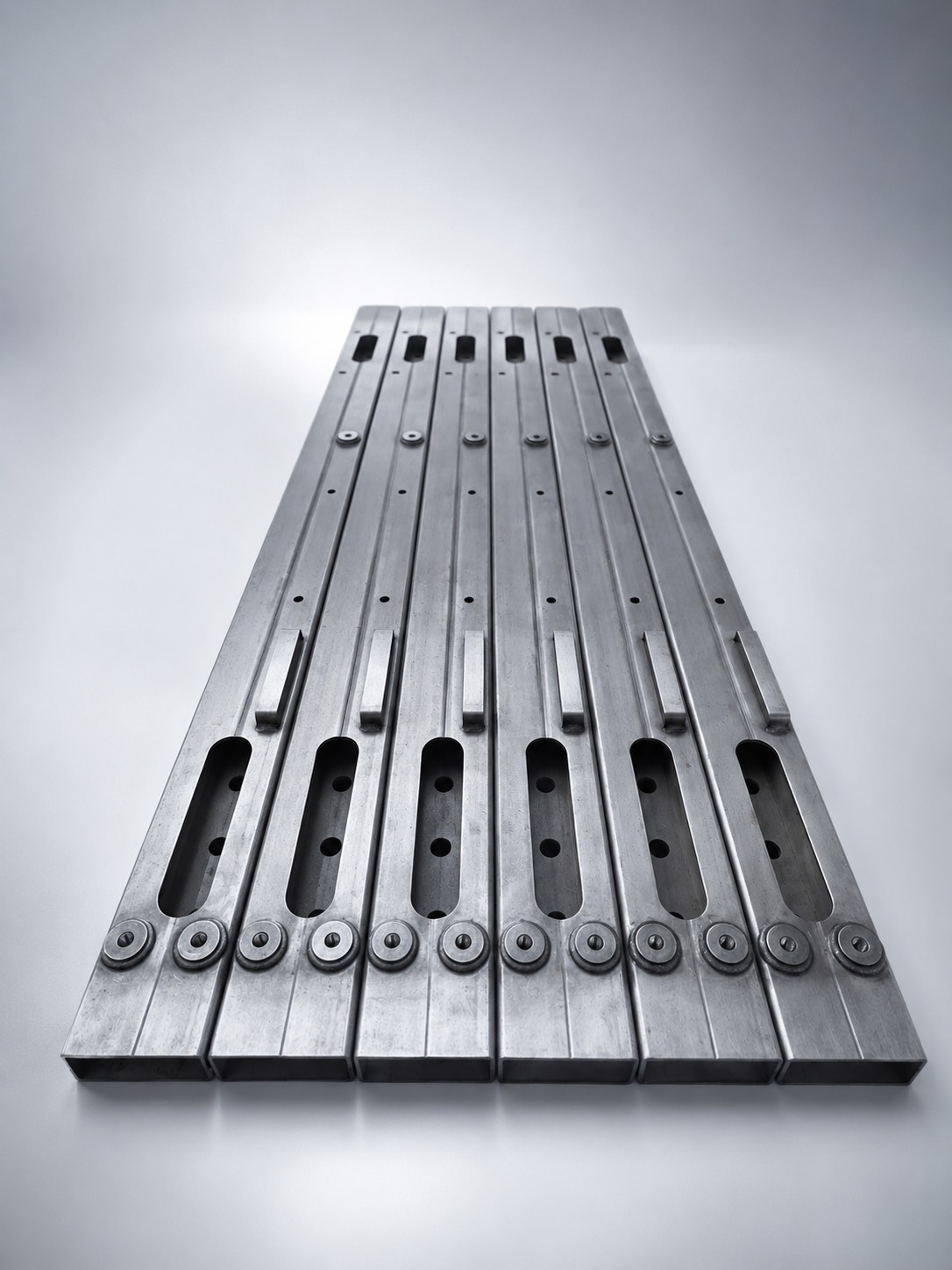
Mechanical structural steel tubes are not complete simply when the material is purchased. Before they can be used as actual components, multiple processes may be required, including cutting, chamfering, drilling, machining, polishing, and welding.
If these processes are ordered separately from multiple processors, the number of items that purchasing and production management teams must handle also increases, including order management, logistics between processes, and quality checks.
On the other hand, if everything from material sourcing to the required secondary processing can be handled consistently, it becomes easier to maintain continuous lot management between the material and processed products, while also reducing the coordination burden associated with multiple suppliers.
When considering local sourcing, suppliers should therefore be assessed not only on material price but also on points such as:
- Whether the required material can be sourced continuously
- Whether material quality information can be verified
- Whether traceability can be maintained through to the processed product
- Whether the required secondary processing can also be handled
■ What FUSOH TUBE PARTS (THAILAND) CO., LTD. can do
FUSOH TUBE PARTS (THAILAND) CO., LTD., based in Chonburi Province, Thailand, procures and sells steel materials including mechanical structural steel tubes and provides various types of secondary processing.
Focusing mainly on Japanese and Chinese materials, the company proposes material sourcing according to customers’ requirements for quality, price, quantity, and delivery schedules. For materials currently imported from Japan, customers can also consult the company regarding sourcing within Thailand or switching to materials from other countries.
Incoming materials are managed by lot from the mill sheet through to the finished product, providing a system that allows the material history to be traced.
The company’s own factory is also equipped for cutting, chamfering, CNC machining, drilling, polishing, welding, and 3D laser processing, allowing it to handle everything from material sourcing through secondary processing.
The company has also obtained ISO 9001 certification for its quality management system and ISO 14001 certification for its environmental management system.
For questions such as “Can the Japanese material we currently use be sourced in Thailand?”, “Can we review costs by switching to materials from another country?”, or “Can material sourcing and processing be handled together?”, the company can review the drawings and required specifications as part of the consultation.
Whether a material can be changed depends on factors such as the application, standards, required quality, and processing details. If you are considering switching to local sourcing, please feel free to contact us.
※For more details, please download the PDF materials attached to this article or contact us via the form at the bottom of the page.
■ FAQ
Q1:Can you also provide consultation on sourcing steel tubes and steel materials other than Japanese materials?
A1 : Yes. Focusing mainly on Japanese and Chinese materials, we can propose sourcing options according to your requirements for quality, price, quantity, and delivery schedule. You can also consult us regarding a review of materials currently imported from Japan.
Q2:Can traceability also be confirmed for steel tubes after processing?
A2 : Yes. We manage lots from the material mill sheet through to the finished product and have a system that allows the history of the materials used to be traced.
Q3:Can material sourcing and secondary processing be ordered together?
A3 : Yes. In addition to material sourcing, we can combine the required processes, including cutting, chamfering, CNC machining, drilling, polishing, welding, and 3D laser processing. Processing details and feasibility are proposed after reviewing the drawings and specifications.
■ Key terms for understanding this article
- Seamless steel tube : A steel tube without seams. It is used for mechanical structural components and other applications.
- Mill sheet : A steel quality certificate issued by a steel manufacturer. It contains information such as chemical composition and mechanical properties.
- Traceability : A management system that enables the history of a product to be tracked from incoming raw materials through processing to the finished product.
※For more details, please download the PDF materials attached to this article or contact us via the form at the bottom of the page.
Company Information
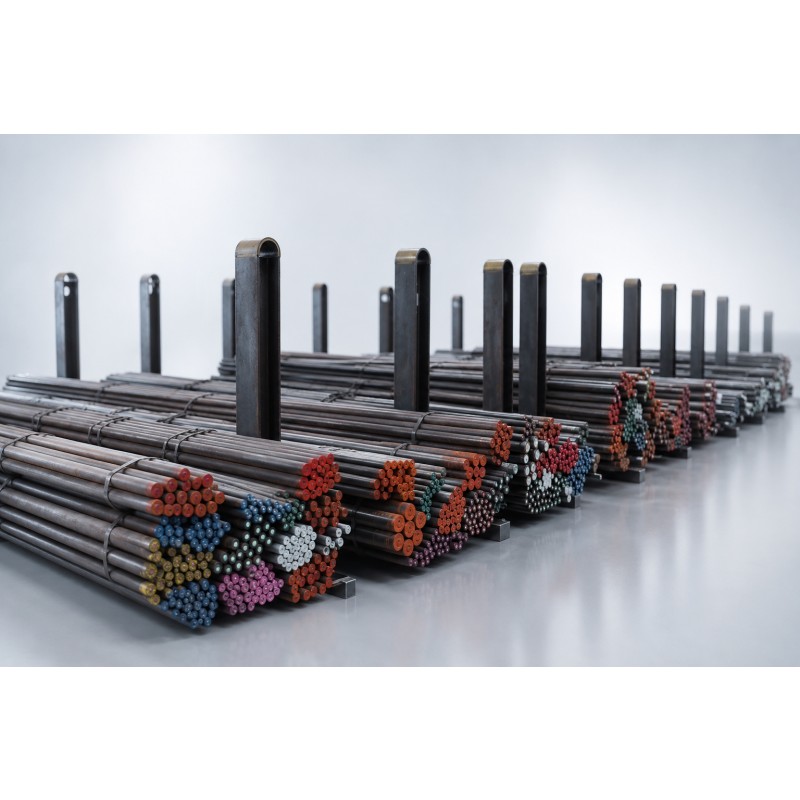
Processing of steel pipes and steel materials / Sales of steel pipes and steel materials / Import and export of steel pipes and steel materials
FUSOH TUBE PARTS (THAILAND) CO., LTD. was established on June 9, 2010, and has continued to grow by enhancing service quality and expanding its branch network to meet the needs of customers across a w ...
PICKUP
Technology & Services
CONTACT
Contact