KNOWLEDGE
Knowledge
Technology and Services
【Looking to Reduce Steel Tube Procurement Costs】Quality and Procurement Routes to Check When Switching to Overseas Materials
2026-10-08
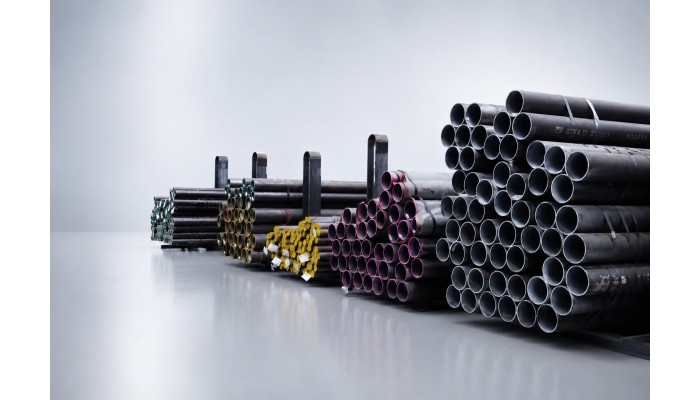
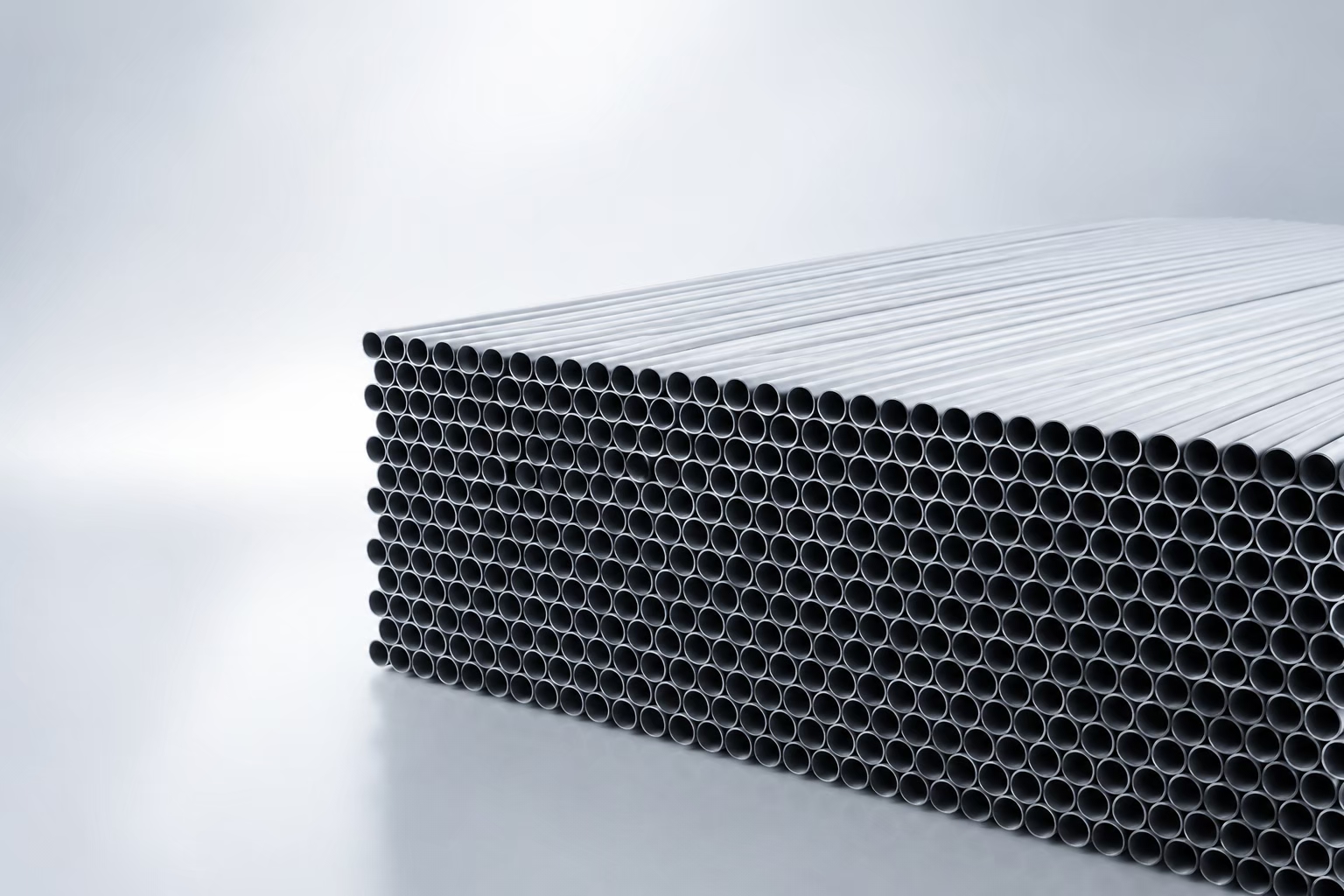
At manufacturing sites in Thailand, including those producing automotive parts and construction machinery, companies may consider overseas materials, including Chinese materials, in addition to materials imported from Japan when reviewing procurement costs for mechanical structural steel tubes.
At the same time, overseas materials are sometimes perceived as having “inconsistent quality,” and many companies hesitate to make the switch even while expecting cost benefits. In particular, at manufacturing sites that have used Japanese materials for many years, both quality and supply must be checked, including whether the material grade and dimensions meet the required specifications, whether quality remains consistent from lot to lot, and which procurement route can provide continuous supply. This makes the decision to switch far from simple.
This article summarizes how to consider the quality of overseas materials and procurement routes when reviewing steel tube procurement costs.
Table of Contents
- Why overseas materials become an option when reviewing procurement costs
- How to assess concerns that “overseas materials may have inconsistent quality”
- How procurement routes affect price, quantity, and delivery
- Points to check before switching to overseas materials
- What FUSOH TUBE PARTS (THAILAND) CO., LTD. can do
- FAQ
- Key terms for understanding this article
■ Why overseas materials become an option when reviewing procurement costs
In manufacturing industries such as automotive and construction machinery, reviewing material costs is an ongoing issue. In particular, when steel tubes are imported from Japan, procurement costs can be affected by exchange rates and transportation expenses, making a review of the sourcing location itself one option for reducing costs.
One such option is the use of overseas materials, including materials from China.
When considering overseas materials, it is necessary to compare not only the unit price of the material but also factors such as order quantity, transportation costs, inventory, and delivery times. Even if the material itself offers a price advantage, unsuitable ordering or logistics conditions may prevent the expected cost reduction from being achieved.
For this reason, a switch to overseas materials should be considered by looking at both material prices and procurement conditions together.
■ How to assess concerns that “overseas materials may have inconsistent quality”
When considering a switch to overseas materials, many companies may be concerned that “the quality might not be consistent” or that “there may be differences from lot to lot.” However, rather than deciding whether a material can be adopted based solely on its country of origin, it is important to check whether it meets the company’s drawings and required specifications.
One item to check is the mill sheet issued by the steel manufacturer. A mill sheet contains information such as the chemical composition and mechanical properties of the steel and provides important information for confirming compliance with the required specifications. It is also necessary to check whether the actual incoming material is correctly linked to its mill sheet and whether the lot can be traced through to the processed product.
When secondary processing such as cutting or machining is performed, a management system is required that allows the company to confirm, all the way through to the finished product, “which material was used for this product,” rather than only at the time the material is received.
■ How procurement routes affect price, quantity, and delivery
When adopting overseas materials, “which material to choose” is important, but so is “which procurement route to use.”
Even when purchasing materials directly from steel manufacturers in China or other countries, the required quantity may be too small to meet ordering conditions, or the buyer may need to manage transportation and inventory on its own. In some cases, consideration also comes to a stop because of questions such as, “We want to try Chinese material, but we do not know which manufacturer to buy from,” or “We do not know which sourcing route allows us to verify quality.”
In such cases, using a procurement network that can combine demand from multiple locations or multiple customers may make it possible to consider quantity and pricing conditions that differ from those available when ordering independently.
For overseas procurement, it is also important to plan orders and transportation in advance based on the production plan. Combining regular container shipments with inventory makes it easier to consider supply that matches the timing at which the material will be needed in Thailand.
When selecting a procurement route, checking order quantities, shipping frequency, inventory, and delivery times together helps balance cost reviews with continuous supply.
■ Points to check before switching to overseas materials
When considering a switch from Japanese materials to overseas materials, the following conditions should be checked:
- Whether the material complies with the drawings and required specifications
- Whether the required mill sheets can be verified
- Whether material and product lots can be linked and managed
- Whether the required quantities can be sourced continuously
- Whether small lots and multiple sizes can be discussed
- Whether transportation and inventory systems can meet the required delivery schedule
- Whether multiple sourcing options can be considered
- Whether cutting and secondary processing can be handled when required
Switching every material to an overseas material is not always the best choice. Some applications may be better served by continuing to use Japanese materials, while others may allow consideration of Chinese or other overseas materials.
It is important to compare candidate materials and procurement conditions based on the standards, drawings, and required quality of the materials currently in use, and then consider a switching method that suits the company’s application.
■ What FUSOH TUBE PARTS (THAILAND) CO., LTD. can do
FUSOH TUBE PARTS (THAILAND) CO., LTD., based in Chonburi Province, Thailand, procures and sells steel materials including mechanical structural steel tubes and provides various types of secondary processing.
The company uses a procurement network focused primarily on materials from Japan and China, while also covering India, South Korea, Taiwan, Indonesia, and other countries, to propose material sourcing according to customers’ requirements for quality, price, quantity, and delivery.
From an early stage, such as “We want to review the cost of materials imported from Japan” or “We want to consider Chinese materials but do not know about the quality or procurement route,” the company can review the materials currently in use, drawings, and required specifications and consider possible sourcing options.
FUSOH GROUP also works to adjust pricing and quantity conditions with steel manufacturers by combining demand from its various locations into consolidated orders. For Thailand, planned container shipments are used to establish a supply system for required materials from Japan and other countries.
Incoming materials are managed by lot from the mill sheet through to the finished product, with a system in place to trace the history of the materials used.
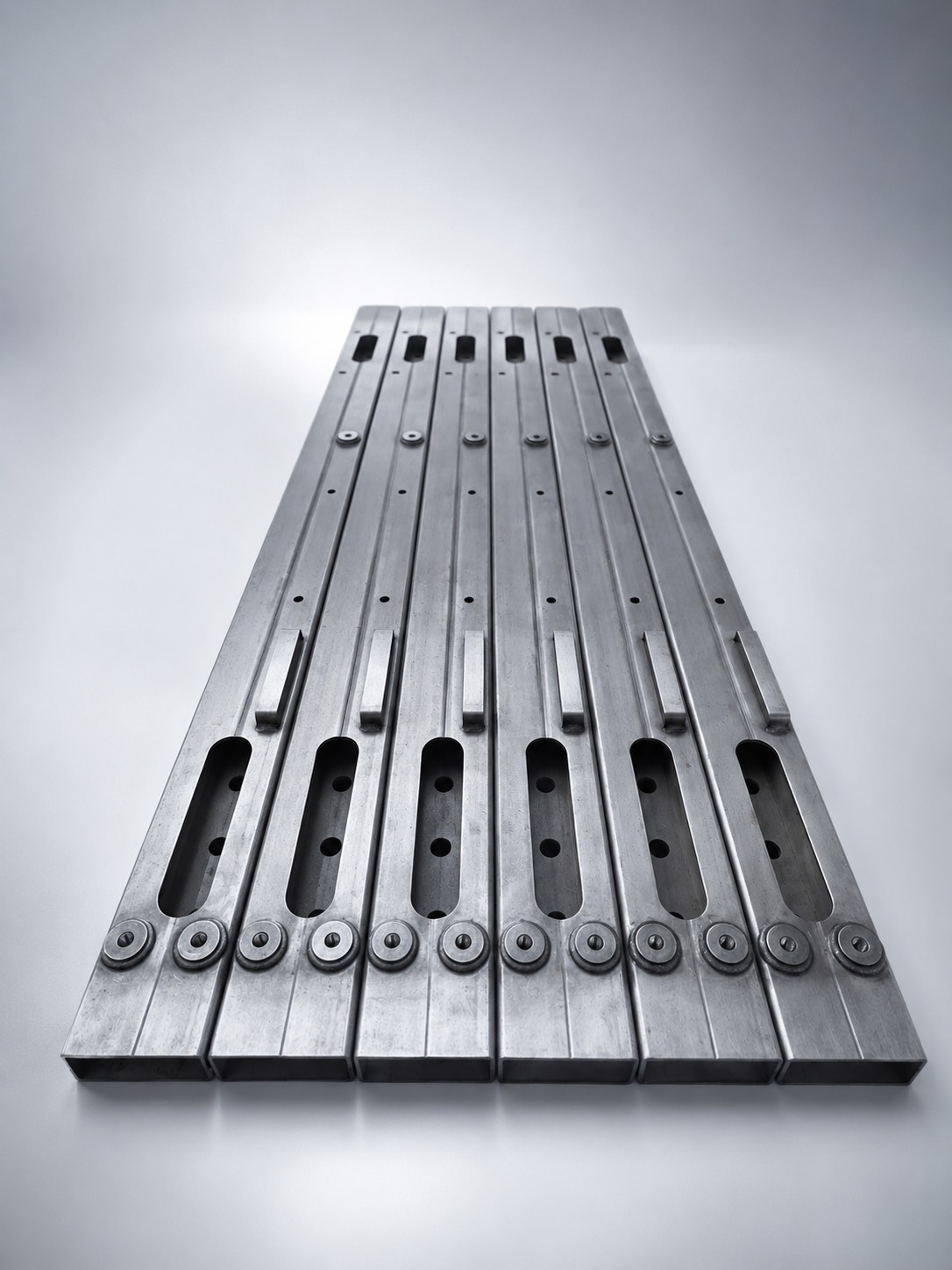
In addition, the company’s own factory is equipped for cutting, chamfering, CNC machining, drilling, polishing, welding, and 3D laser processing, allowing it to handle not only material procurement but also the required secondary processing.
Whether a switch to overseas materials is possible depends on factors such as the application, standards, required quality, quantity, and delivery schedule. Even at the stage of “We want to check whether the Japanese material we currently use can be replaced with an overseas material,” customers are welcome to consult the company.
■ FAQ
Q1:How should quality be checked when switching to overseas materials such as Chinese materials?
A1 : The decision should not be based solely on the country of origin. Whether the material can be adopted should be determined after checking compliance with drawings and required specifications, the contents of the mill sheet, and lot management. Because the required quality conditions vary depending on the application, comparison with the material currently in use is also important.
Q2:Can you also provide consultation on small lots of overseas materials?
A2 : Yes. Conditions vary depending on the material, size, quantity, and delivery schedule, but possible procurement methods can be considered by using the procurement network and consolidating demand from multiple locations.
Q3:Should we choose Japanese materials or Chinese materials?
A3 : The suitable material depends on the application, drawings, required quality, price, quantity, and delivery schedule. Rather than determining that one is universally more suitable, sourcing candidates are proposed after reviewing the materials currently in use and the required specifications.
Q4:Can overseas materials that have been sourced also be sent directly for processing?
A4 : Yes. In addition to material procurement, secondary processing such as cutting, chamfering, CNC machining, drilling, polishing, welding, and 3D laser processing is also available. Processing details and feasibility are proposed after reviewing the drawings.
■ Key terms for understanding this article
- Seamless steel tube : A steel tube without seams. It is used for mechanical structural components and other applications.
- Mill sheet : A quality certificate for steel issued by a steel manufacturer. It contains information such as chemical composition and mechanical properties.
- Traceability : A management system that allows the history of a product to be tracked from incoming raw materials through processing to the finished product.
※For more details, please download the PDF materials attached to this article or contact us via the form at the bottom of the page.
Company Information
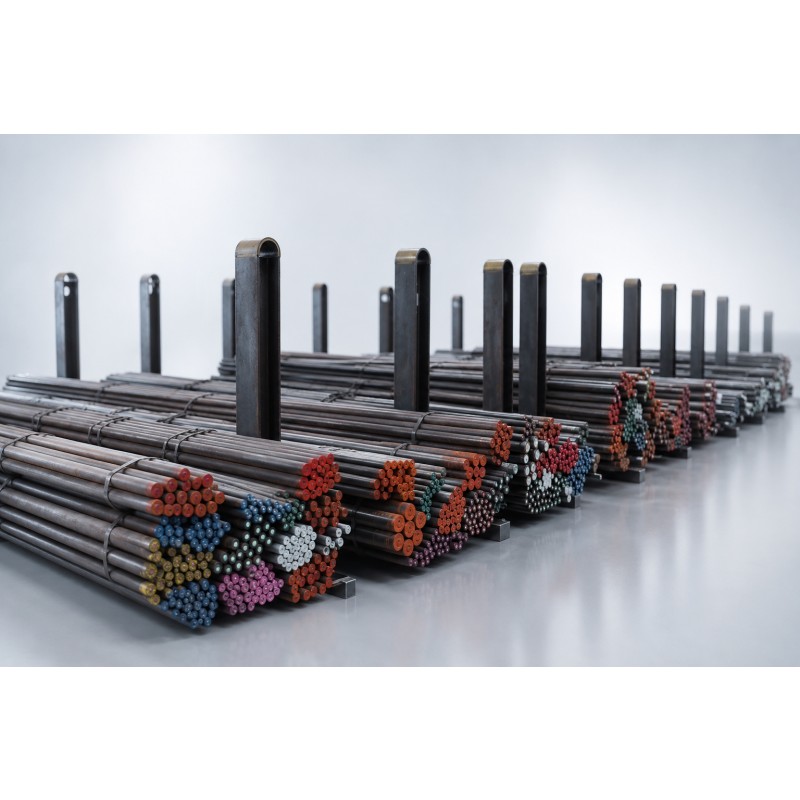
Processing of steel pipes and steel materials / Sales of steel pipes and steel materials / Import and export of steel pipes and steel materials
FUSOH TUBE PARTS (THAILAND) CO., LTD. was established on June 9, 2010, and has continued to grow by enhancing service quality and expanding its branch network to meet the needs of customers across a w ...
PICKUP
Technology & Services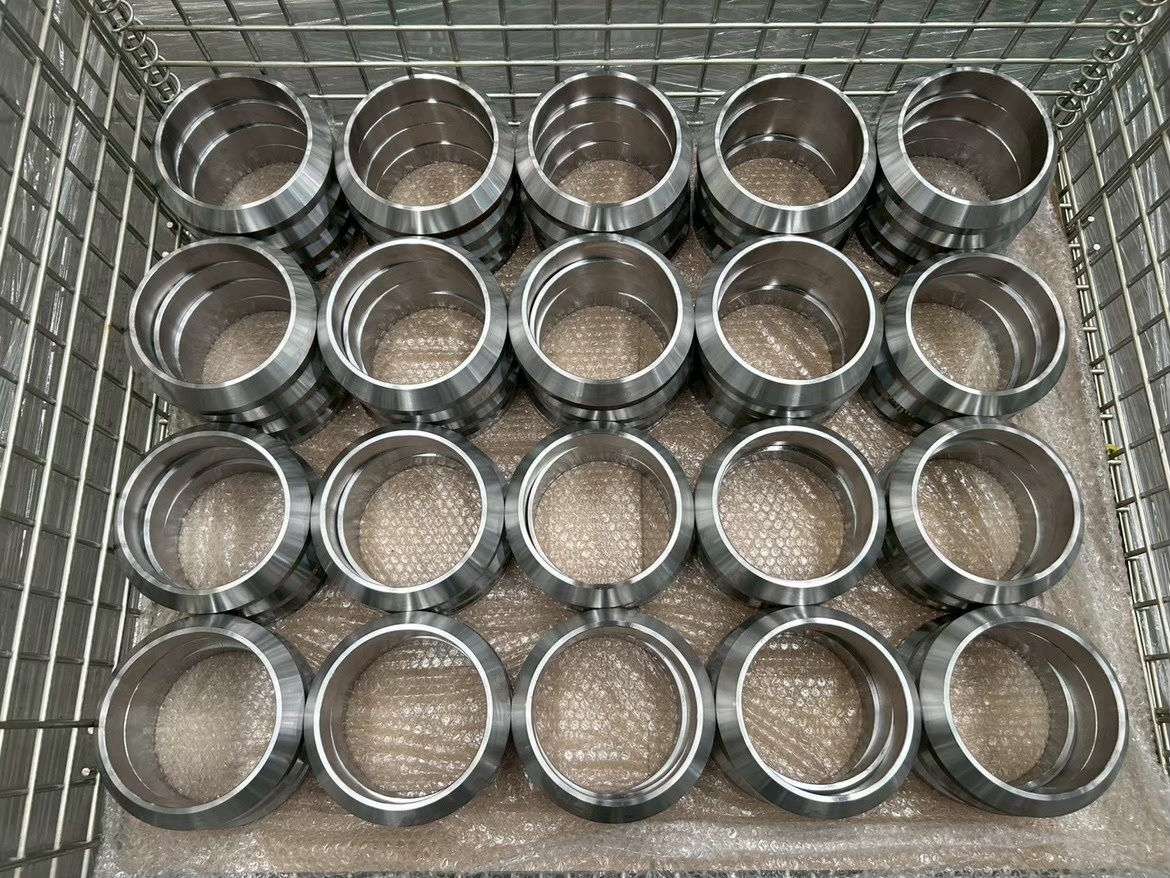
CONTACT
Contact