
PRODUCT
Production Goods
Stainless Wire|Rust-Resistant, Strong, Highly Flexible for Industrial Springs and Machinery
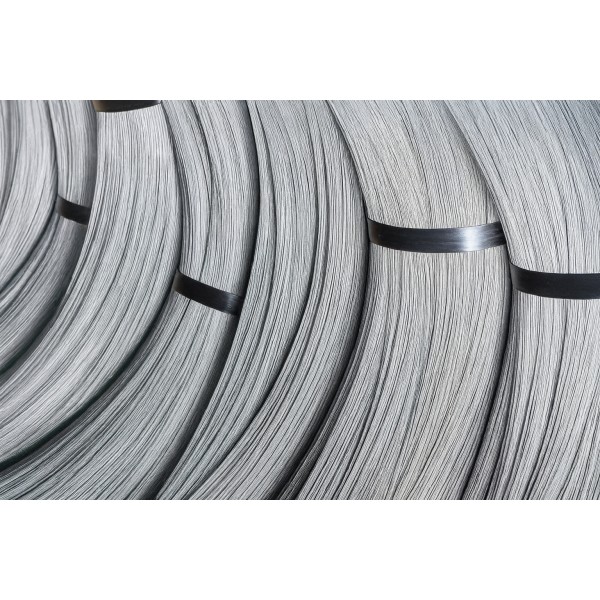
Key Industry ChallengesIn industries such as mold manufacturing, machinery, mechanical parts, and equipment for food or medical sectors, many manufacturers face common issues with rust formation on wire, uneven wire surfaces, and inconsistent hardness across production batches. These problems can negatively impact spring manufacturing, welding, polishing, and reduce overall product lifespan especially in high-humidity or chemically aggressive environments like food and pharmaceutical production facilities.
Root Cause of the Problem
General-purpose wires often lack sufficient chromium and nickel content, making them prone to oxidation and corrosion especially when exposed to water, heat, or chlorides. As a result, the wire loses mechanical strength, elasticity decreases, and its service life falls below industry expectations.
Solution
Yamaichi Special Steel (Thailand) offers Japanese-manufactured stainless steel wire under JIS G4314, JIS G4315, and JIS G4303 standards. Each batch undergoes cold drawing, bright annealing (in a controlled atmosphere), and rigorous mechanical testing. The result is wire with high tensile strength, a bright smooth surface, and excellent corrosion resistance perfect for precision applications in springs, molds, machinery parts, and equipment for food and medical industries.
YAMAICHI Stainless Wire Grades
1. SUS304WPB — Spring Grade Stainless Wire
- Austenitic structure (Cr-Ni 18-8)
- Cold drawn + bright annealed
- Tensile strength: 1600–1900 MPa
- Excellent rust and corrosion resistance
- Easy to form, non-brittle
- Ideal for: Mold springs, general springs, food industry springs
2. SUS316 — High Corrosion-Resistant Grade
- Austenitic structure (Cr17Ni12Mo2)
- Molybdenum (Mo) added for improved acid and chloride resistance
- Tensile strength: 1500–1800 MPa
- Suitable for: Chemical, food, medical industries, and springs in corrosive environments
3. SUS430 — Ferritic Stainless Wire
- Nickel-free, high in chromium (Cr 16–18%)
- Moderate rust resistance, cost-effective
- Medium hardness with tough surface
- Ideal for: General molds, base plates, decorative parts, electrical appliances
4. SUS410 — Martensitic Grade Stainless Wire
- Chromium content: 12–13%
- Quenched and tempered
- High hardness: HRC 35–45
- Wear-resistant
- Ideal for: High-load springs, blades, mold parts
5. SUS420J2 — Hardenable Stainless Grade
- High carbon (~0.35–0.45%)
- Hardenable up to HRC 50–55
- Excellent polishability
- Suitable for: Blades, mold cores, mold springs, precision parts
6. SUS420F — Free Cutting Stainless Wire
- Sulfur added (S) for improved machinability and clean cut surfaces
- Suitable for: Small machining parts, shafts, nuts, machine screws
- Offers high hardness and smooth finish, ideal for precision machining
Key Advantages of Yamaichi Stainless Wire
- Produced to Japanese standards
- ISO 9001:2015 certified
- High resistance to rust and corrosion
- Smooth, glossy wire surface
- Precisely controlled size and hardness (±0.01 mm)
- Cut-to-Length / Coil Supply services tailored to customer specifications
※ For more details, please contact us or download the brochure.
Glossary
- Austenitic Stainless: Stainless steel with an austenitic structure offering high toughness and corrosion resistance
- Bright Annealing: Heat treatment in a controlled atmosphere for smooth and glossy wire surfaces
- Corrosion Resistance: The ability of metals to withstand chemical or moisture-induced degradation
- Free Cutting Stainless: Stainless steel with added sulfur to improve machinability and produce cleaner cuts
#StainlessSteelWire #YamaichiSteel #JapanQuality #SpringWire #IndustrialMolds #ISO9001 #JISG4314 #CorrosionResistant #PrecisionWire
Company Information
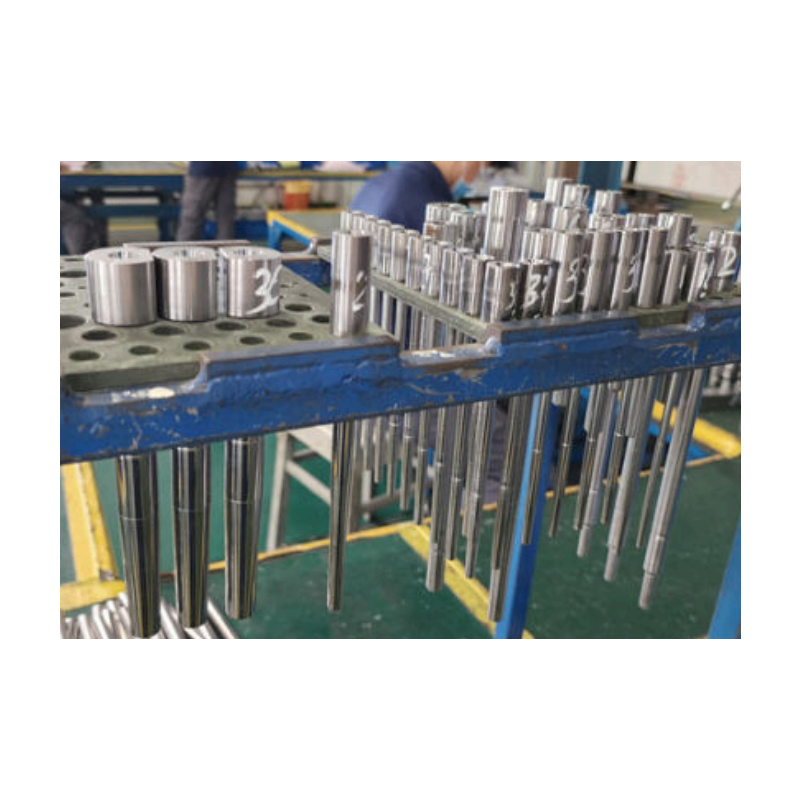
Strip Steel / Wire Steel / Bar Steel
Yamaichi Special Steel (Thailand) Co., Ltd. is committed to continuously expanding its product range while strengthening strategic partnerships with leading manufacturers from Japan and China. We supp ...
CATALOG
Related Catalogs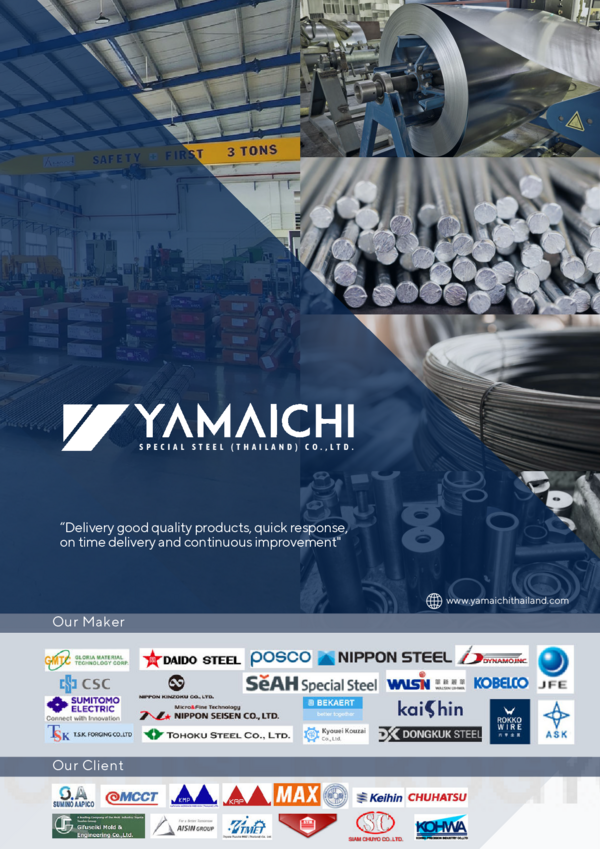
CONTACT
Contact