
KNOWLEDGE
Knowledge
Technology and Services
What is Plastic? A Guide to Injection Molding Materials | Types, Properties & Selection Tips
2026-11-19

■ Summary: Plastics are versatile materials used in injection molding across Thai industries. Understanding types, properties, and selection criteria can help manufacturers reduce defects and improve efficiency.
1. Definition and Structure of Plastics
Plastics are synthetic materials primarily composed of polymers—long chains of repeating monomers—that soften when heated and harden when cooled. Their structure offers unique advantages like light weight, durability, and chemical resistance, making them essential in replacing metals or wood in industrial applications.
2. Classification: Thermoplastics vs Thermosets
- Thermoplastics: Can be repeatedly melted and reshaped. Widely used in injection molding. Examples include ABS, PP, PE, PC, and PA.
- Thermosets: Permanently harden after molding. Known for heat resistance and mechanical strength. Common types include epoxy and phenolic resins.
3. Common Plastics Used in Injection Molding
- ABS (Acrylonitrile Butadiene Styrene): Strong and impact-resistant. Ideal for automotive components and electronic housings.
- PP (Polypropylene): Lightweight and chemical-resistant. Used in packaging and medical devices.
- PA (Polyamide/Nylon): High tensile strength and wear resistance. Suitable for gears and mechanical parts.
- PC (Polycarbonate): Transparent with excellent impact strength. Common in optical lenses and precision instruments.
4. Key Factors When Selecting Plastic Materials
Manufacturers should assess:
- Mechanical properties: Strength, impact resistance
- Thermal properties: Heat deflection, melting point
- Molding behavior: Flow rate, shrinkage, cycle time
- Cost-effectiveness: Material yield and tooling
- Environmental fit: UV resistance, chemical compatibility
5. Applications in Thailand’s Manufacturing Industry
Thailand’s manufacturing sector relies heavily on plastic parts, particularly in automotive assembly, electronics and appliance manufacturing, and medical device production. Key production challenges include:
- Material consistency and traceability
- Reducing molding scrap
- Adapting to flexible, high-mix production demands
6. Recommended: Injection Molding Machines from Muto (Thailand)
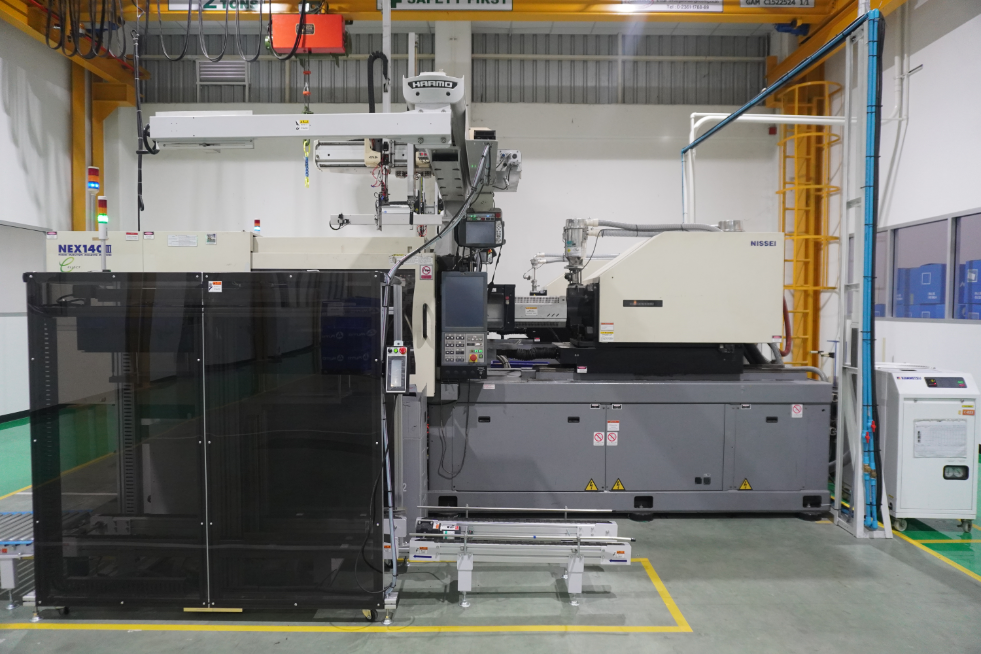
Muto (Thailand) provides advanced injection molding machines with precise control of pressure and temperature, reducing deformation and improving product quality. These machines are ideal for producing high-precision parts used in medical and electronic industries, complete with localized technical support and responsive after-sales service.
📌 Download the detailed PDF or contact us directly for technical consultation.
#InjectionMolding #PlasticMaterials #Thermoplastics #ThailandManufacturing #ABSPlastic #NylonParts #EngineeringPlastics #PrecisionMolding #PlasticInjectionMachines #OEM
Company Information

Plastic Injection Molded Parts / Mold Manufacturing / Assembly Parts
The overseas network of MUTO Group has vast facilities that allow for the complete execution of all production processes, including shipping. This enables us to deliver high-quality products quickly a ...


PICKUP
Technology & Services
CONTACT
Contact