_e71de7f1-7c67-471d-a7ad-830b07cdbc72.png)
KANEKO CHEMICAL (THAILAND) CO., LTD.
PRODUCT
Production Goods
What Is Flux Residue? |Its Impact on Circuit Boards and How to Remove It with PCB Cleaner
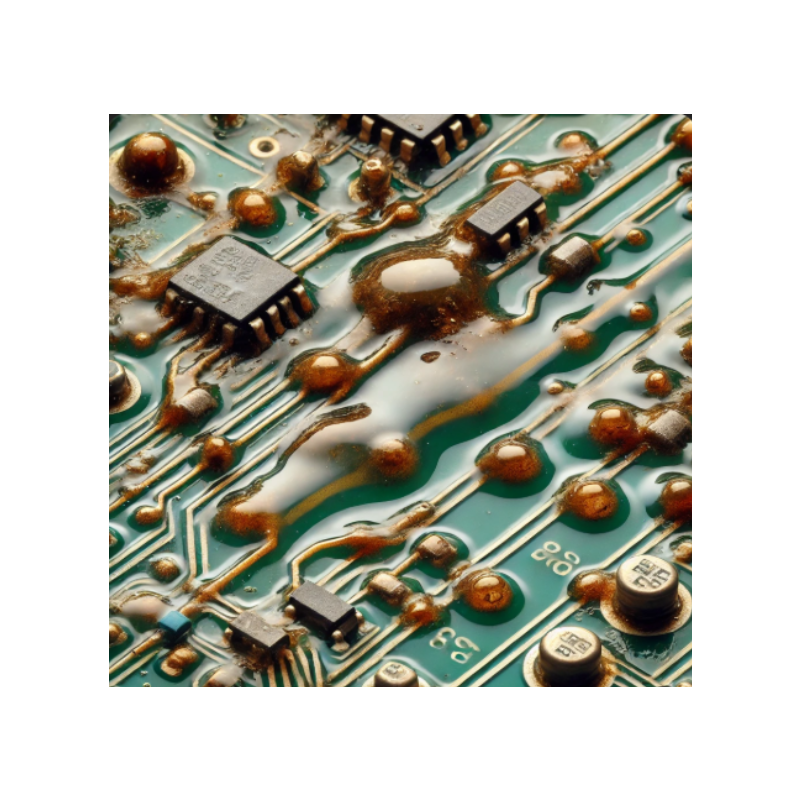
Flux residue from soldering can cause short circuits, corrosion, or quality issues in printed circuit boards (PCBs). This article explains the different types of flux residue, their effects, and how to effectively clean them using eClean21 from Kaneko Chemical.
In the PCB (Printed Circuit Board) manufacturing process, flux is a vital chemical that helps solder adhere to metal terminals and removes oxidation. However, if the residue is not completely removed after soldering, it can lead to long-term circuit board issues.
🔹 Types of Flux Residue
1. Rosin-Based Flux Residue (Requires Cleaning)
✅ Contains rosin and must be cleaned with a specialized solvent
❌ If not removed, it can become conductive and corrosive over time
2. No-Clean Flux Residue
✅ Convenient—does not require cleaning after soldering
❌ Excess use may appear dirty or interfere with sensitive components
3. Water-Soluble Flux Residue
✅ Easy to clean and ideal for high-cleanliness applications
❌ Incomplete cleaning may cause rust or corrosion
🔹 Why Must Flux Residue Be Fully Removed?
・ Prevents electrical interference: Residue can distort signal transmission
・ Avoids short circuits: Moisture in flux can conduct electricity
・ Stops corrosion: Some flux types are acidic and corrosive
・ Passes QC standards: Clean PCBs are critical for quality inspection
Product Recommendation from Kaneko Chemical:
eClean21 Series – Flux Residue Cleaner
Specially formulated for PCB cleaning in high-precision production lines.
Features a 2-step formula that effectively removes even tough residues like Y-20 flux.
✅ Improves product reliability
✅ Reduces QA/QC rejection issues
✅ Safe for circuit board materials
■ Download detailed product information or contact us for inquiries today!
Company Information
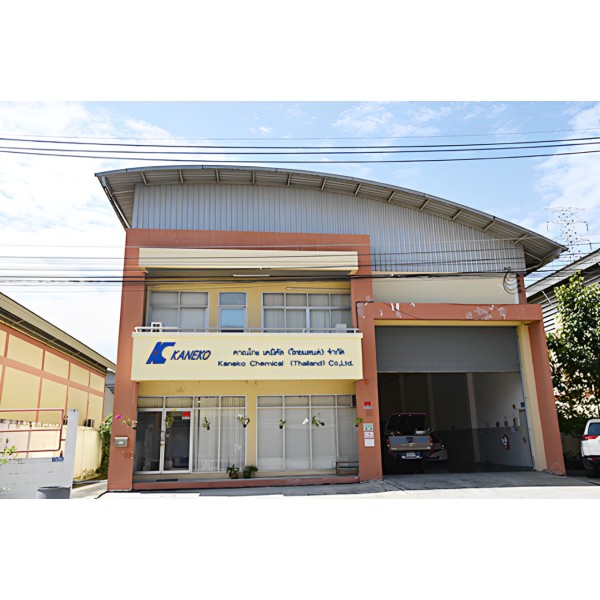
Main 3 Products
Industrial chemicals / cleaning agent / cleaning machine
Phone Number
Homepage URL
We manufacture and sell chemical industrial products, cleaning agents, and cleaning machines. If you have any problems with cleaning, please feel free to contact us.
CONTACT
Contact