_239a2f9f-b968-43f7-9ab6-c2c6464aed44.png)
DOWA THERMOTECH (THAILAND) CO., LTD.
PRODUCT
Production Goods
Atmosphere Control in Heat Treatment|Preventing Decarburization and Ensuring Precision Hardness
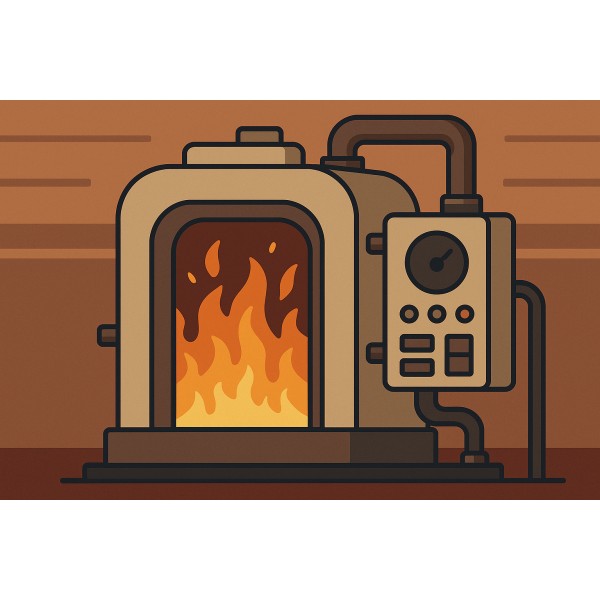
In heat treatment, the invisible atmosphere inside the furnace determines success or failure. By controlling oxygen, carbon potential, and protective gases, factories can prevent decarburization, avoid scrap, and achieve precision hardness for critical components.
Why Atmosphere Control is the Silent Factor in Heat Treatment
Many factories focus on temperature and time when heat treating steel, but the atmosphere inside the furnace often decides whether you produce precision parts or costly scrap.
In uncontrolled air, oxygen reacts with hot steel, creating surface defects that compromise hardness and wear resistance.
The Danger of Decarburization
When steel is heated above 1500°F (815°C) in air, oxygen aggressively pulls carbon out of the steel surface. This causes decarburization, leaving a weak, soft outer layer.
- Depth of carbon loss: 0.010–0.030 inches
- Result: gears, shafts, and tools lose hardness and wear out quickly
Imagine investing weeks machining a precision gear, only to discover heat treatment ruined the surface. This is why atmosphere control is critical for survival in manufacturing.
Atmosphere Control Solutions for Heat Treatment
1. Endothermic Atmospheres
- Gas mix: CO, H₂, and N₂
- Maintains carbon balance to prevent both decarburization and excessive carburization
- Acts as a protective barrier around the steel
2. Exothermic Atmospheres
- Produced by burning natural gas with limited air
- Provides a cost-effective protective gas mix
- Requires careful monitoring to avoid carbon imbalance
3. Vacuum Processing
- Removes all atmospheric interference
- Enables bright, oxide-free surfaces
- Provides precise control over surface chemistry
The Balancing Act of Chemistry
To achieve reliable hardness, the carbon potential of the furnace atmosphere must match the steel’s carbon content.
- Too high: Unwanted carburization → brittle surfaces
- Too low: Decarburization → soft surfaces
- Hydrogen: Improves brightness but can cause embrittlement in high-strength steels
Company Information
_thumb_03c39bee-c71a-42fa-aa30-860b52f27965_thumb_a99d4e92-9af2-48da-b42e-9fbc30e0a558.jpg)
Industry Classification
/ Transportation equipment
Main 3 Products
Heat treatment surface treatment (carbur / Quenching and tempering / Gas soft nitriding
Phone Number
Homepage URL
DOWA THERMOTECH (THAILAND) CO., LTD. was established in 2007 as a member of the DOWA Group. Located in Rayong Province, Thailand, the company operates a factory spanning 5,148 square meters. As expert ...
CONTACT
Contact