
TAPYRUS (THAILAND) CO., LTD.
PRODUCT
Production Goods
Meltblown Nonwoven Fabric | Fine Fiber Filtration with High Breathability for Multiple Industries
_thumb_a2859504-79e1-4ce6-877e-eaacae5df9f9.png)
Key Takeaways
• Melt-blown nonwoven fabric is a nonwoven material with ultra-fine fibers ranging from below 1 to 30 microns.
• A dense and uniform fiber structure delivers high filtration efficiency for fine particles.
• The material is self-bonding without chemical binders, making it suitable for high-cleanliness and safety-critical applications.
• Lightweight, breathable, and adjustable in basis weight to serve multiple industries.
ーーーーーーーーーーーーーーーーーーーーーーーーーーーーーーー
Melt-blown nonwoven fabric is a fundamental material behind many filtration products such as medical masks, air filters, and liquid filtration systems used across industries. Although it appears as a simple fabric sheet, its internal fiber structure directly impacts safety, hygiene, and long-term performance.
The melt-blown process is a jet-spinning nonwoven manufacturing method. Thermoplastic polymers, such as polypropylene (PP), are melted and extruded through a die with numerous fine nozzles while being attenuated by high-velocity hot air. The resulting ultra-fine fibers are deposited onto a conveyor to form a continuous web.
A key advantage of melt-blown nonwovens is that the fibers bond to each other naturally (self-bonding) without the need for chemical binders or adhesives. This results in a binder-free, non-toxic material that is well suited for applications requiring high cleanliness standards, including medical and industrial filtration.
In terms of performance, melt-blown nonwovens feature extremely fine fibers, typically ranging from below 1 micron up to approximately 30 microns. The dense and uniform fiber distribution creates micro-porous structures that effectively capture dust, aerosols, and fine particles while maintaining good airflow. This balance of filtration efficiency and breathability makes the material ideal for continuous-use applications.
Melt-blown fabrics can be engineered by adjusting basis weight and raw material selection to meet different application requirements, with typical ranges from 7 to 400 g/m². This flexibility enables use in hygiene products, air filtration, liquid filtration, and various industrial applications.
Common applications include filtration layers in medical masks, N95–N100 respirators, medical gowns, and personal protective equipment. In air handling and HVAC systems, melt-blown media is used in MERV and HEPA filters for buildings, factories, and cleanrooms. It is also widely applied in liquid filtration for water, chemicals, and industrial processes, as well as in general industrial uses such as batteries, insulation materials, and lightweight structural components.
When selecting melt-blown materials, fiber diameter and basis weight should be matched to the type and size of particles or fluids being filtered. Using an inappropriate grade, such as applying air filtration media for liquid filtration, may result in inadequate performance. Therefore, filtration efficiency testing and pressure drop evaluation are essential before real-world implementation.
Summary
Melt-blown nonwoven fabric is a filtration material that combines ultra-fine fibers, breathability, and safety in a single layer, making it suitable for applications requiring high hygiene and industrial standards.
ーーーーーーーーーーーーーーーーーーーーーーーーーーーーーーー
❓ FAQ
Q: How is melt-blown different from spunbond nonwoven?
A: Melt-blown has much finer fibers and is designed for filtration, while spunbond focuses on structural strength.
Q: Is melt-blown fabric suitable for medical applications?
A: Yes. It is binder-free and does not contain chemical adhesives, making it appropriate for medical use.
📚 Glossary
• Melt-blown Nonwoven: A nonwoven fabric produced by jet-spinning that creates ultra-fine fibers.
• Self-bonding: Fiber-to-fiber bonding without the use of chemical binders.
• Basis Weight: Fabric weight per unit area, expressed in g/m².
• Micro-porosity: A structure of uniformly distributed microscopic pores within the fabric.
Company Information
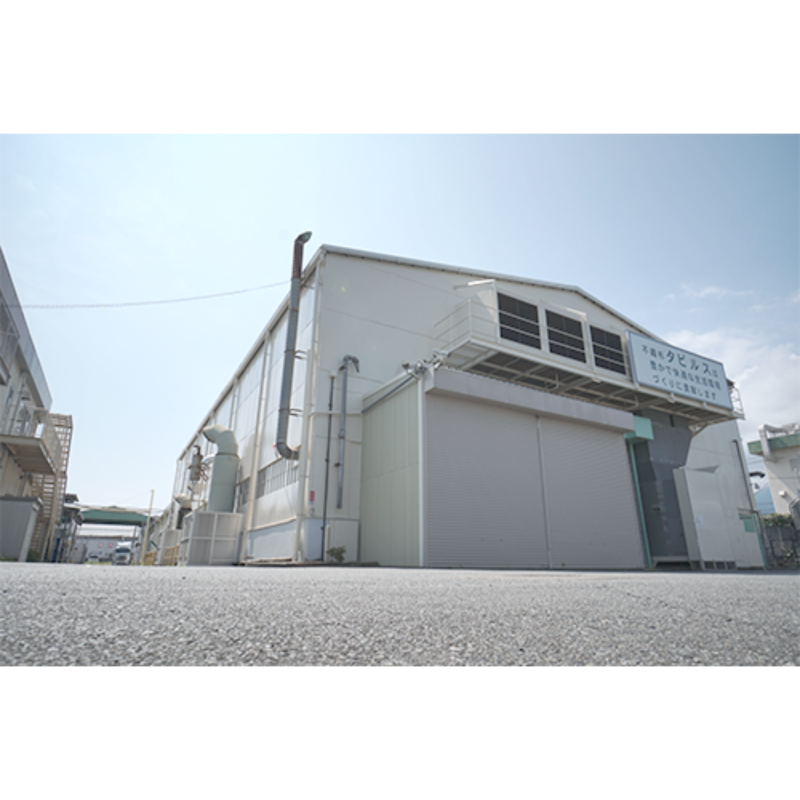
Main 3 Products
Manufacture of Melt-Blown Non-Woven / Sale of Melt-Blown Non-Woven
Phone Number
Homepage URL
Since our founding in 1987 as a specialized manufacturer of melt-blown nonwoven fabrics, we at Tapyrus have consistently provided our customers with high-quality products using our unique technology.
CONTACT
Contact