
TAPYRUS (THAILAND) CO., LTD.
PRODUCT
Production Goods
What BFE/PFE Value Should a Good Filter Have?|Understand Key Indicators Before Buying

What Are BFE and PFE?
- BFE (Bacterial Filtration Efficiency) : This measures the filter’s ability to block airborne bacteria. A BFE ≥ 95% means it can block at least 95% of bacteria in the air. This is especially crucial in healthcare settings.
- PFE (Particle Filtration Efficiency) : This measures the ability to filter tiny particles sized between 0.1–0.3 microns, such as PM2.5 or certain viruses. A PFE ≥ 95% is standard in many high-grade respirators.
What Values Are Considered “Good”?
For most applications:
- BFE ≥ 95% is suitable for general use.
- PFE ≥ 95% is essential for environments with fine particulate matter.
For specialized environments:
- Medical masks: BFE ≥ 98%
- N95 respirators: PFE ≥ 95%
- HEPA filters: PFE ≥ 99.97%
How to Choose the Right Filter Based on Use Case
- Hospitals / Clinics: Focus on high BFE to block bacteria.
- Polluted Environments / PM2.5: Prioritize high PFE.
- Industrial Factories / Cleanrooms: Look for filters certified under ISO, EN, or ASTM standards.
- Battery & Semiconductor Production: Require micron-level filtration (ULPA or custom specs).
Also consider breathability. Higher filtration often means less airflow, which affects comfort and usability.
Real-World Industrial Use Cases
- Healthcare Staff: Use certified masks with BFE ≥ 98% and PFE ≥ 95%
- Urban Workers: Wear masks with PFE ≥ 95% to combat PM2.5
- Electronics / Pharma Factories: Use HEPA/ULPA filters for sterile environments
- Battery Manufacturing: Require filters with chemical-specific particle capture
Conclusion
Choosing the right filter isn't just about high numbers. Match BFE and PFE values to your environment and check for industry-standard certifications. In factories, where air quality affects both product quality and worker safety, making an informed filter choice is critical.
ーーーーーーーーーーーーーーーーーーーーーーーーーーーーーーーーーーーーーーーーーーー
❓ FAQ
Q: Which is more important BFE 98% or PFE 98%?
A: It depends on the purpose. BFE matters more for bacterial protection, while PFE is critical for PM2.5 and virus-sized particles.
Q: What applications are HEPA filters best suited for?
A: High-purity environments such as cleanrooms, pharmaceutical manufacturing, medical equipment, and HVAC systems.
Q: Do higher PFE values make breathing more difficult?
A: They can, if the filter is poorly designed. Choose products that balance filtration efficiency with airflow.
📚 Glossary
BFE: Bacterial Filtration Efficiency
PFE: Particle Filtration Efficiency
HEPA: High-efficiency filter with PFE ≥ 99.97%
Company Information
Main 3 Products
Manufacture of Melt-Blown Non-Woven / Sale of Melt-Blown Non-Woven
Phone Number
Homepage URL
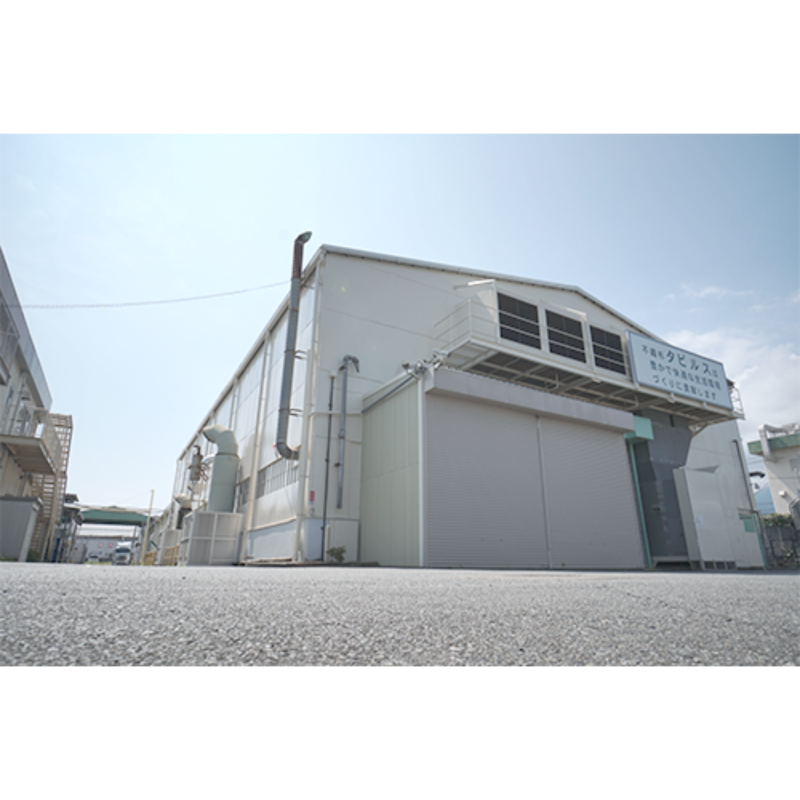
Since our founding in 1987 as a specialized manufacturer of melt-blown nonwoven fabrics, we at Tapyrus have consistently provided our customers with high-quality products using our unique technology.
CONTACT
Contact