
TAPYRUS (THAILAND) CO., LTD.
PRODUCT
Production Goods
What is Meltblown Nonwoven Fabric?|Key Features and Industrial Applications
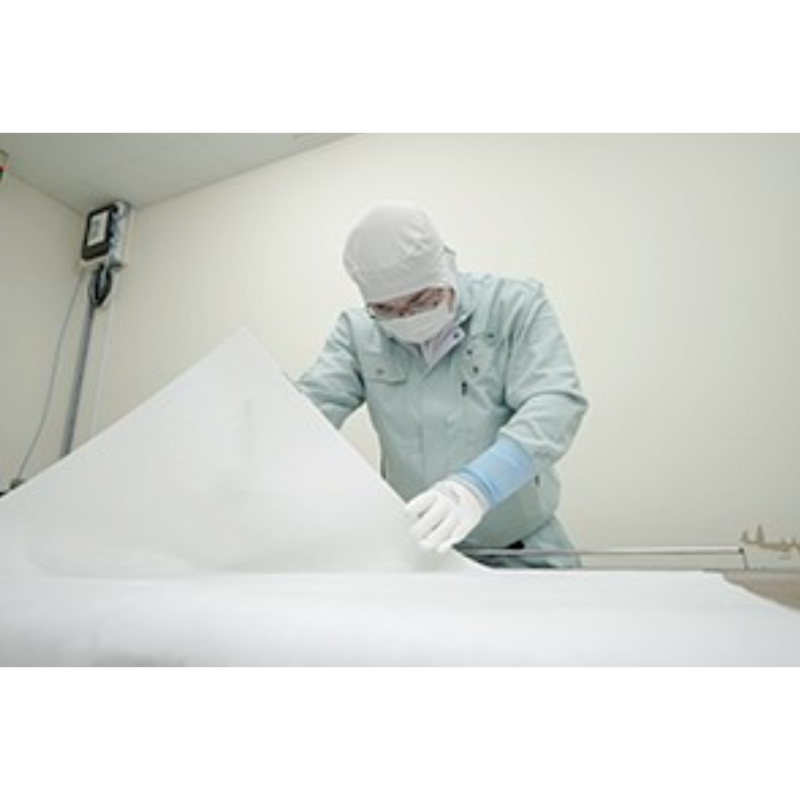
What is Meltblown Fabric?
Meltblown fabric is a type of nonwoven textile manufactured by extruding molten thermoplastic (typically polypropylene) through nozzles while blowing it with high-speed hot air. The resulting fibers, ranging from microns to nanometers in diameter, form a self-bonded, porous web with a high surface area and fine filtration performance.
Key Features
- High Filtration Efficiency: Captures fine particles as small as PM0.3, bacteria, and viruses.
- Dense Microstructure: Ultrafine fibers with narrow pore sizes for maximum filtering ability.
- Lightweight and Thin: Ideal for masks and clothing without sacrificing comfort.
- Electret Capabilities: Maintains an electrostatic charge to enhance particle capture.
- Non-Toxic Material: Made from polypropylene (PP), which is safe and recyclable.
Industrial Applications
- Medical & Hygiene: N95/surgical masks, medical gowns, alcohol/disinfectant wipes.
- Air Filtration: HVAC filters, HEPA filters, air purifier components.
- Liquid Filtration: Water purification, oil separation, precision filtration in manufacturing.
- Absorbents: Oil spill clean-up sheets, chemical absorbents.
- Cosmetics & Personal Care: Facial wipes, makeup remover sheets.
Selection Tips
When sourcing meltblown fabric, consider:
- Fiber diameter uniformity
- Pore size distribution
- Electrostatic charge stability
- Air resistance (pressure drop)
- Supplier quality standards and ISO certification
Tapyrus is a trusted supplier known for clean production, quality control, and customizable meltblown solutions for industrial needs.
ーーーーーーーーーーーーーーーーーーーーーーーーーーーーーーーーーーーーーーーーーーー
❓ FAQ
Q: Can meltblown fabric filter viruses?
A: Yes. The small fiber size and Electret Effect allow it to capture microorganisms and fine particles.
Q: How is meltblown different from spunbond fabric?
A: Meltblown features much finer fibers for filtration, while spunbond offers higher strength and is often used as a structural layer.
Q: What should be considered when using it for air filtration?
A: Pressure drop, thickness, and electrostatic charge retention are key factors.
📚 Glossary
Meltblown Process: Hot-air fiber extrusion method for producing fine fibers
Electret Effect: Static charge mechanism that enhances particle capture
Pressure Drop: Airflow resistance across a filter
Company Information
Main 3 Products
Manufacture of Melt-Blown Non-Woven / Sale of Melt-Blown Non-Woven
Phone Number
Homepage URL
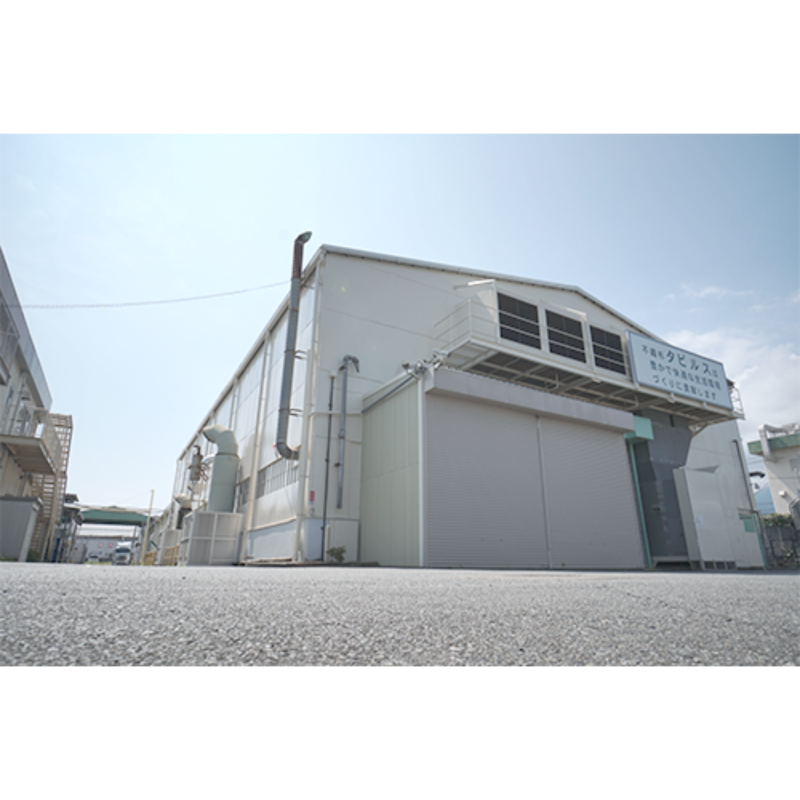
Since our founding in 1987 as a specialized manufacturer of melt-blown nonwoven fabrics, we at Tapyrus have consistently provided our customers with high-quality products using our unique technology.
CONTACT
Contact