_bf3cec3c-16c0-4290-bde6-f93c8832db67.png)
KNOWLEDGE
Knowledge
Technology and Services
【Combustion Control for Heat Treatment Furnaces】Why Deviations in the Air-Fuel Ratio Cause Fuel Loss and Quality Variation
2026-08-10
In heat treatment processes at factories in Thailand, maintaining stable product quality and managing energy costs are important issues.
On the other hand, combustion adjustment for heat treatment furnaces has traditionally relied to a considerable extent on the experience and skills of experienced technicians. In addition, factors such as burner clogging and seasonal changes in air density can cause the air-fuel ratio, which is the ratio of gas to air, to change little by little each day.
This article explains why a shortage of experienced personnel and deviations in the air-fuel ratio can lead to fuel loss and quality variation, as well as the mechanism of automatic air ratio control using EBC-i.
Table of Contents
- Combustion Adjustment of Heat Treatment Furnaces That Has Relied on the Experience of Skilled Personnel
- Why Deviations in the Air-Fuel Ratio Affect Fuel Loss and Quality Stability
- Automatic Air-Fuel Ratio Control Using EBC-i
- Frequently Asked Questions
- Keywords for Understanding This Article
■ Combustion Adjustment of Heat Treatment Furnaces That Has Relied on the Experience of Skilled Personnel
Until now, in burner adjustment and combustion condition management for industrial furnaces, the experience and skills of experienced technicians at the worksite have played an important role.
Combustion requires an appropriate ratio of gas to air, and conventionally, operators measured oxygen concentration while manually adjusting the gas volume and air volume.
Therefore, when there is a shortage of skilled personnel or the person in charge changes, it may become difficult to maintain the same combustion conditions as before. A system is required that can manage combustion conditions based on preset conditions without relying solely on human experience.
■ Why Deviations in the Air-Fuel Ratio Affect Fuel Loss and Quality Stability
The combustion conditions of a heat treatment furnace are not always constant.
For example, the air-fuel ratio may gradually change due to factors such as burner clogging and seasonal changes in air density.
If the air-fuel ratio deviates from the proper condition, it may lead to fuel consumption beyond what is necessary and hinder energy saving. In addition, being unable to maintain optimal combustion conditions consistently also becomes an issue in terms of quality stability in the heat treatment process.
Therefore, in order to stabilize both fuel consumption and quality, it is important to continuously maintain the air-fuel ratio in an appropriate condition.
■ Automatic Air-Fuel Ratio Control Using EBC-i
One measure for addressing these issues is the “EBC-i” automatic air ratio control system provided by CHUGAI RO (THAILAND).
EBC-i monitors the oxygen concentration in exhaust gas 24 hours a day and automatically controls the gas valve and air valve to support the maintenance of an optimal air-fuel ratio. This reduces the burden on operators of having to measure and adjust each time and makes it easier to continue combustion management based on preset conditions.
In addition, it is equipped with temperature and pressure compensation functions, and the combustion volume and air ratio of each burner can be set according to operating conditions. It also supports multiple combustion pattern settings, cooling mode, and burner thinning operation.
While making use of the experience of skilled personnel, shifting toward combustion management that does not rely solely on individual skills will become important for future heat treatment furnace operations. EBC-i supports the maintenance of stable combustion conditions as one means of achieving this.
■ Frequently Asked Questions
Q1 : How does EBC-i address the shortage of experienced technicians?
A1 : EBC-i continuously monitors oxygen concentration and automatically controls the gas valve and air valve to support the maintenance of an optimal air-fuel ratio. This makes it easier to manage combustion conditions based on preset conditions without relying solely on the experience of on-site technicians.
Q2 : Why does a deviation in the air-fuel ratio lead to fuel loss?
A2 : If the ratio of air to fuel deviates from the appropriate condition, it may result in fuel consumption beyond what is necessary. Therefore, maintaining an appropriate air-fuel ratio leads to energy saving.
Q3 : Does EBC-i also help stabilize quality?
A3 : Yes. By automatically controlling the air-fuel ratio, EBC-i supports the maintenance of stable combustion conditions, contributing not only to energy saving but also to quality stability.
■ Keywords for Understanding This Article
- Air-Fuel Ratio
The ratio of air to fuel in burner combustion. It is an important factor in maintaining appropriate combustion conditions. - EBC-i
An automatic air ratio control system that controls the air ratio with high precision. It supports combustion management based on preset conditions. - Quality Stability
Reducing variation in product quality during the heat treatment process and maintaining stable processing conditions.
※For more information about the EBC-i combustion control system, energy saving for heat treatment furnaces, and quality stability, please contact CHUGAI RO (THAILAND).
Company Information
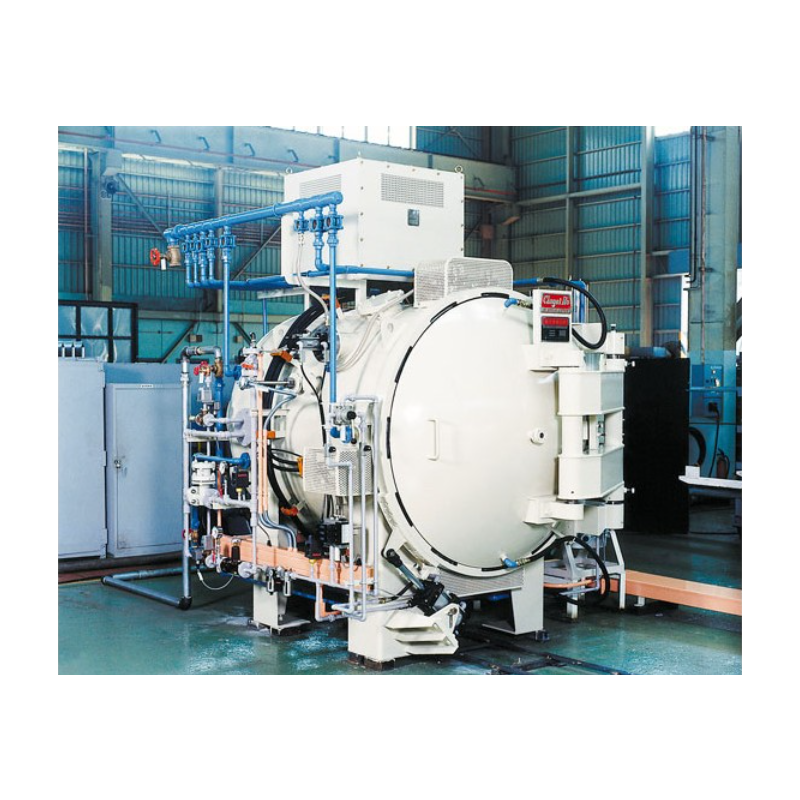
Iron and Non-Ferrous Metal Plant / Burners and Combustion Control Equipment / Materials Heat Treatment Furnace
Chugai Ro (Thailand) Co., Ltd. integrates years of accumulated foundational technologies with its proprietary core technologies to offer industrial solutions that contribute to a sustainable society. ...
CATALOG
Related Catalogs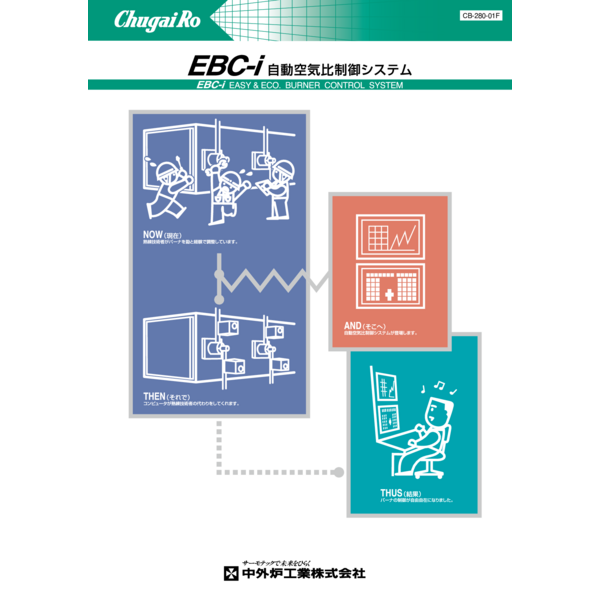
PICKUP
Technology & Services
CONTACT
Contact